ICJ to Issue Landmark Rohingya Genocide Ruling With Implications for Israel
The International Court of Justice is set to rule on whether Myanmar committed genocide against the Rohingya, a historic decision that may establish legal precedents influencing pending cases against Israel.
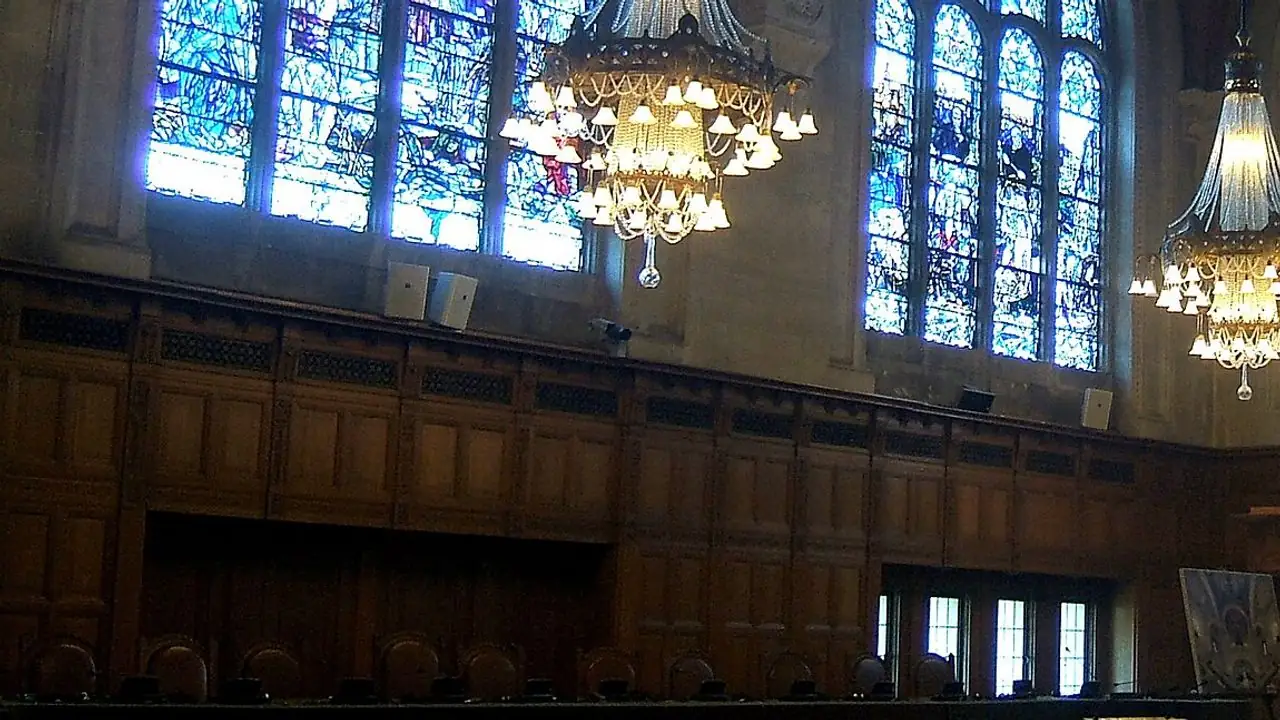
The International Court of Justice is set to issue a landmark ruling on whether Myanmar bears state responsibility for genocide against the Muslim Rohingya minority, marking a potential turning point in international law. Since the adoption of the Genocide Convention in 1948 in the wake of the Holocaust, the international tribunal has never formally ruled that a sovereign state directly perpetrated genocide. While the court previously concluded that genocide occurred in Srebrenica, it held Serbia responsible for failing to prevent and punish the crime rather than direct perpetration.
The Background of the Myanmar Case
The case centers on the systematic persecution of the Rohingya, a Muslim minority living in western Myanmar. Tensions escalated dramatically in August 2017 following attacks by a Rohingya militant group on security posts. The Myanmar military responded with a sweeping campaign marked by mass killings, village burnings, sexual violence, and forced expulsion, driving more than 700,000 Rohingya across the border into Bangladesh within months. Myanmar has consistently denied allegations of genocide, maintaining that its forces targeted armed combatants rather than the civilian population.
In 2019, Gambia filed a lawsuit against Myanmar at the tribunal, invoking the principle that any state party to the Genocide Convention has the legal standing to demand compliance. A central legal hurdle in the proceedings is establishing specific intent. Under international law, proving genocide requires demonstrating a distinct intent to destroy a national, ethnic, racial, or religious group in whole or in part, presenting a remarkably high legal threshold compared to other crimes against humanity.
Implications for the Legal Proceedings Against Israel
The upcoming ruling carries significant weight for a parallel genocide case initiated by South Africa against Israel at the same tribunal in December 2023. Although the two conflicts stem from entirely different geopolitical and military circumstances, both legal challenges require judges to scrutinize military actions alongside the underlying intent of state actors.
South Africa argues that Israeli military operations in the Gaza Strip violate the Genocide Convention, citing high casualty and destruction rates, mass displacement, humanitarian conditions, and public statements by senior officials. Israel firmly rejects these accusations, maintaining that its military campaign is directed entirely at dismantling Hamas following the October 7 massacres rather than destroying the Palestinian population, and arguing that extensive collateral damage does not constitute genocidal intent.
Legal experts note that how the judges interpret and establish the standard of proof for intent in the Myanmar ruling could heavily influence the arguments presented in the case involving Israel. If the tribunal adopts a strict standard for inferring intent from military patterns, it could bolster defensive arguments, whereas a broader interpretation might strengthen plaintiff claims.
Broader International and Long-Term Repercussions
While the tribunal has previously issued provisional measures in the case concerning Gaza, it has not yet reached a final verdict on the core allegations against Israel, and proceedings are expected to continue for years. International observers, including United States Permanent Representative to the United Nations Mike Waltz, are closely monitoring the proceedings to ensure the court does not establish overly expansive legal standards that could adversely impact allied nations and their armed forces.