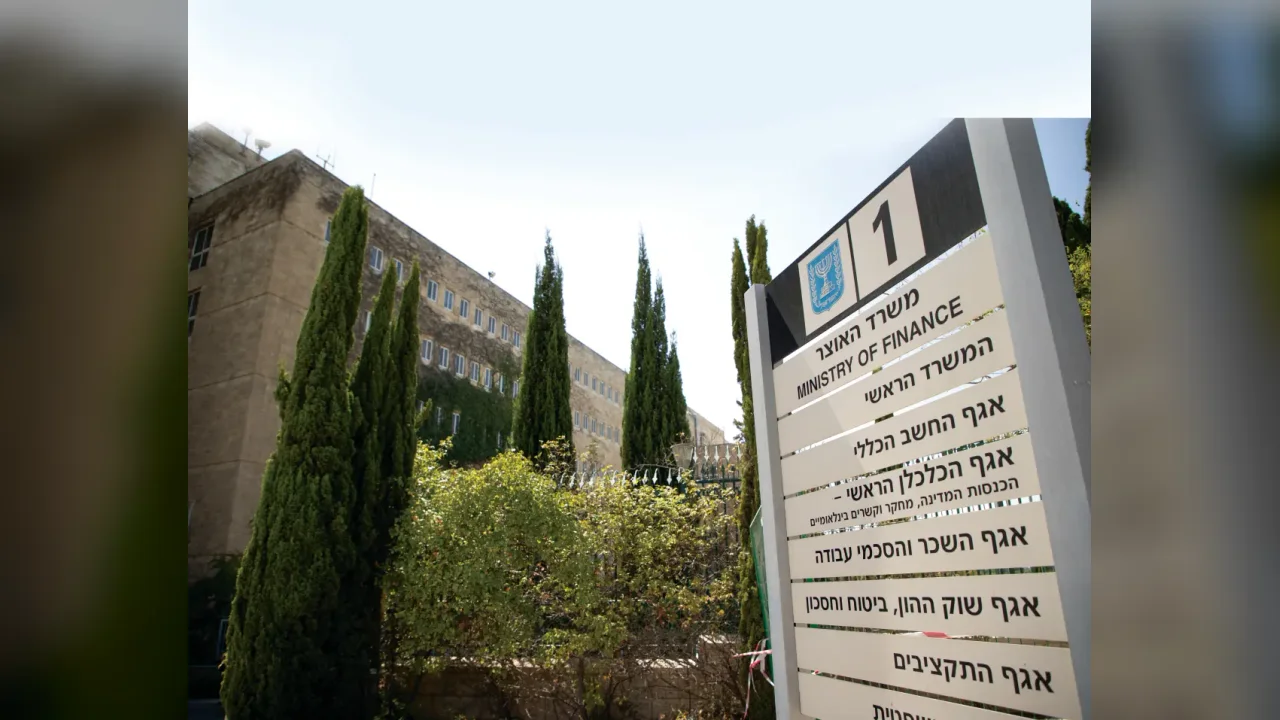
New Housing Data Shows Fewer Ready Unsold Apartments Than Estimated
Recent housing data reveals that Israel's inventory of ready, unsold apartments stands at 10,500 units, significantly lower than official ministry estimates of 15,000, highlighting a stark gap in market metrics.
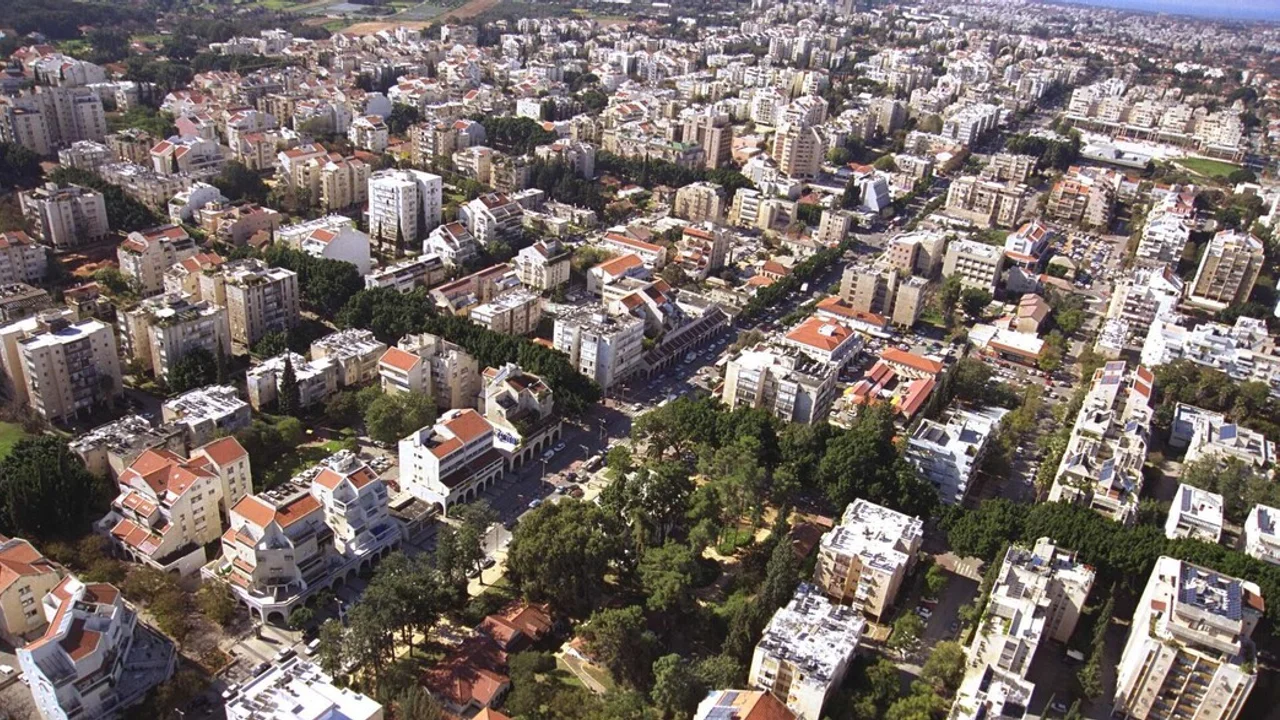
Recent housing market figures have sparked debate over Israel's unsold apartment inventory, with contractor representatives reporting 10,500 ready-to-occupy units in August, up from 8,000 in April. This metric contrasts sharply with official government projections and highlights structural discrepancies in how real estate stock is measured.
Ministry Estimates Versus Contractor Data
In July 2025, Ministry of Construction and Housing CEO Yehuda Morgenstern stated that contractors held approximately 15,000 unsold apartments that had reached the Form 4 completion stage, meaning they are ready for immediate occupancy. Morgenstern noted that many of these completed units are concentrated in areas such as Bat Yam, Lod, Be'er Ya'akov, and Bnei Brak, near regions impacted by recent security tensions. While Amit Gottlieb, chairman of the Builders and Contractors Association in Tel Aviv and Center, noted a 31% rise in ready unsold stock over four months, his figures remain lower than the ministry's earlier overall estimate.
Industry experts emphasize the critical distinction between general unsold inventory—which encompasses all units with active building permits, including projects slated for completion years from now—and genuinely finished apartments. Nechama Bogin, chair of the Appraisers Association, recently dismissed broad figures citing 85,000 unsold units as an urban legend, urging market analysts to focus strictly on completed inventory.
Data comparisons across major cities illustrate the broader market context, with Jerusalem recording 10,249 unsold units and Tel Aviv registering 9,820. Analysts point out that based on Gottlieb's figures, only about 12% of total unsold apartments are fully completed and ready for handover, while nearly 88% remain in early construction or planning phases, indicating that actual immediate supply is much tighter than headline figures suggest.