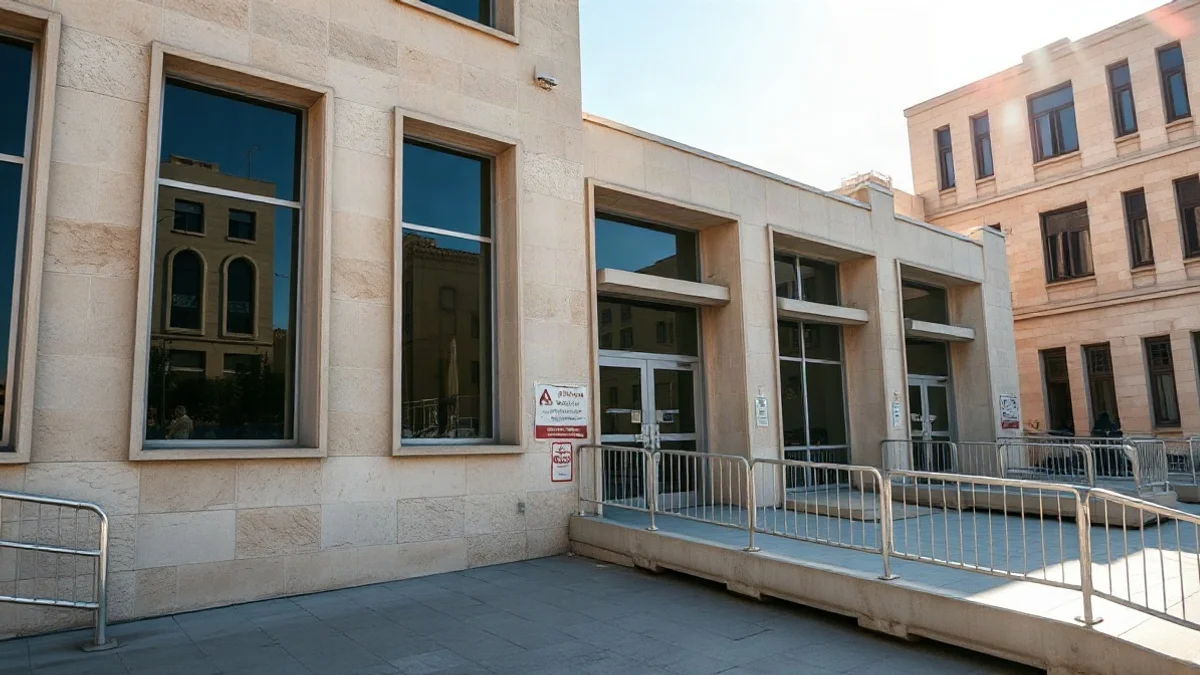
Lawsuit Alleges Medical Negligence Caused Brain Damage During Birth
Parents of a child with cerebral palsy and autism have sued an Israeli hospital, alleging medical staff ignored fetal distress signs during birth, causing permanent brain damage.
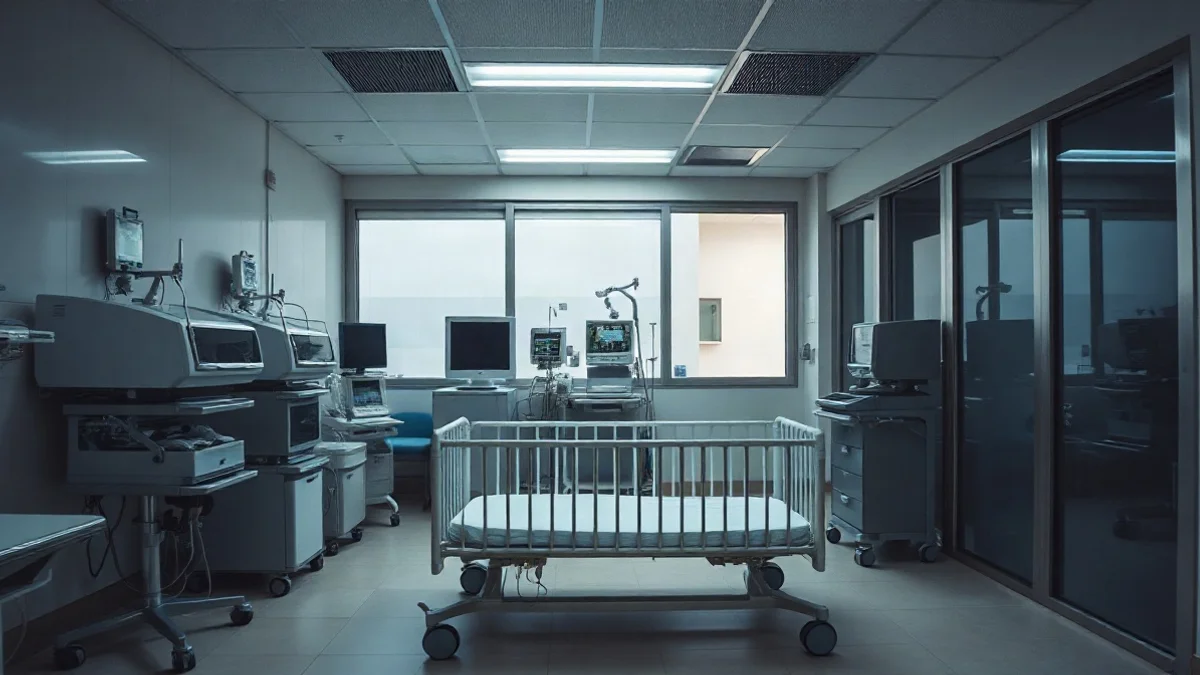
A lawsuit has been filed against an Israeli hospital by the parents of a child suffering from cerebral palsy and autism, alleging medical negligence during childbirth. According to the claim, filed by attorney Adi Abergel Braverman, the medical staff failed to respond in a timely manner to clear signs of fetal distress, resulting in irreversible brain damage.
The mother's pregnancy was entirely normal, with all routine examinations yielding healthy results. At the 38th week of gestation, she arrived at the hospital experiencing contractions and was admitted to the delivery ward. However, the lawsuit states that fetal monitor readings soon showed clear signs of distress, including repeated heart rate decelerations followed by tachycardia.
A medical expert whose opinion was attached to the lawsuit stated that these findings demanded immediate intervention, such as expediting delivery through a cesarean section. The expert noted that the fetus endured distress for hours. Despite warning signs, medical staff continued the natural delivery and administered Pitocin to intensify contractions, which reportedly aggravated the oxygen deprivation.
The infant was born without a heartbeat or breathing, requiring extensive resuscitation efforts including mechanical ventilation, cardiac massage, and adrenaline administration. He spent a month in the neonatal intensive care unit, undergoing therapeutic hypothermia to minimize brain damage and treatment for seizures. Subsequent imaging confirmed severe brain injury.
As the child developed, he exhibited significant motor impairments, balance issues, speech delays, and feeding difficulties, later being diagnosed with ataxic cerebral palsy and autism. Pediatric neurology experts linked these neurodevelopmental conditions to the birth trauma. The family is seeking substantial compensation to cover ongoing rehabilitation, specialized education, and lifelong care costs.