2,000-Year-Old Jewish Hiding Tunnels Unveiled at Horbat Burgin
Ancient 2,000-year-old Jewish hiding tunnels and a Byzantine church with colorful mosaics have been inaugurated at Horbat Burgin in the Judean Lowlands following extensive preservation work.
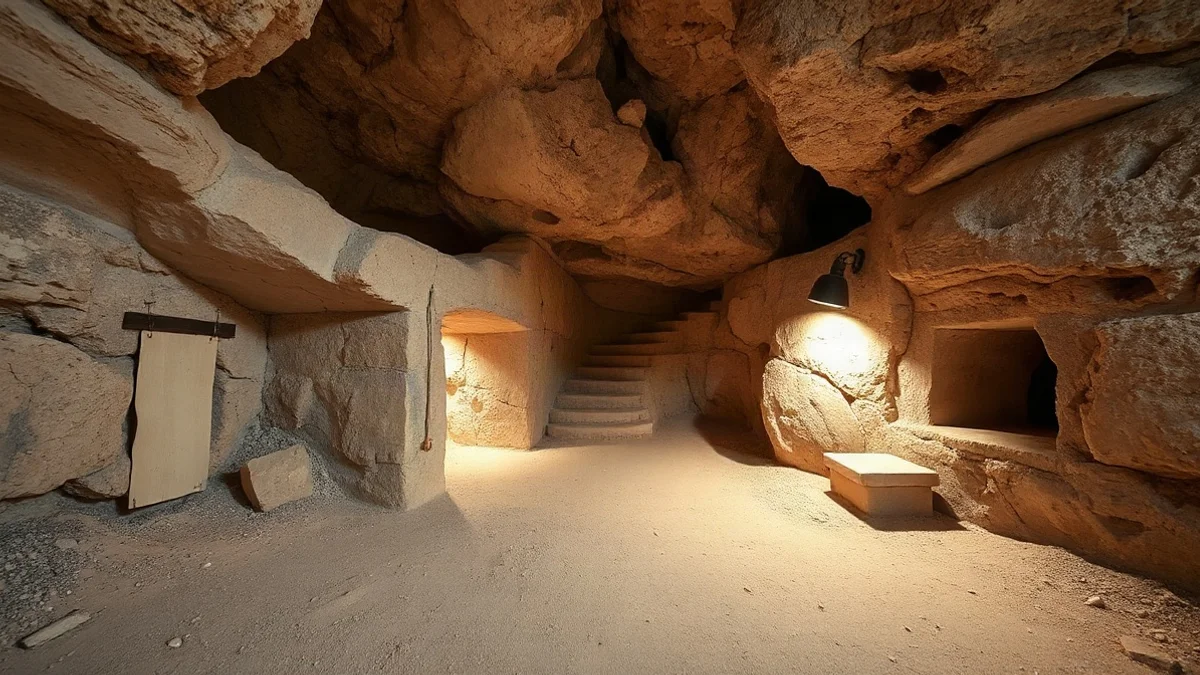
An ancient archaeological site featuring 2,000-year-old Jewish rebel hiding tunnels and a Byzantine church with colorful mosaics has been officially opened to the public at Horbat Burgin in the Adullam-France Park, located in the Judean Lowlands.
The site was inaugurated during a joint ceremony by the Jewish National Fund, the Israel Antiquities Authority, and the Mateh Yehuda Regional Council following extensive excavation, conservation, and development works aimed at making the region's unique heritage accessible to the public. Previous excavations led by Dr. Amir Ganor, Alon Klein, and Dr. Peter Gendelman of the Israel Antiquities Authority revealed evidence of a settlement dating from the Second Temple period through the Ottoman era.
History of the Ancient Settlement
During the Second Temple period, a large village operated at the site, which researchers have identified as Kfar Bish, mentioned in the writings of Josephus Flavius. In the early Roman period, complex underground hiding systems were hewn into the rock as local residents prepared for the revolt against the Romans. Despite these defensive preparations, the settlement was damaged and destroyed during the Bar Kokhba revolt, and pagan populations later settled on its ruins, constructing new surface buildings and carving elaborate underground burial systems.
In the Byzantine period, a magnificent church was erected at the site, its floor adorned with colorful mosaics alongside a monastery complex. Columbaria and numerous winepresses discovered in and around the site indicate that its inhabitants sustained themselves through pigeon breeding, agriculture, and winemaking.
Combating Antiquities Theft
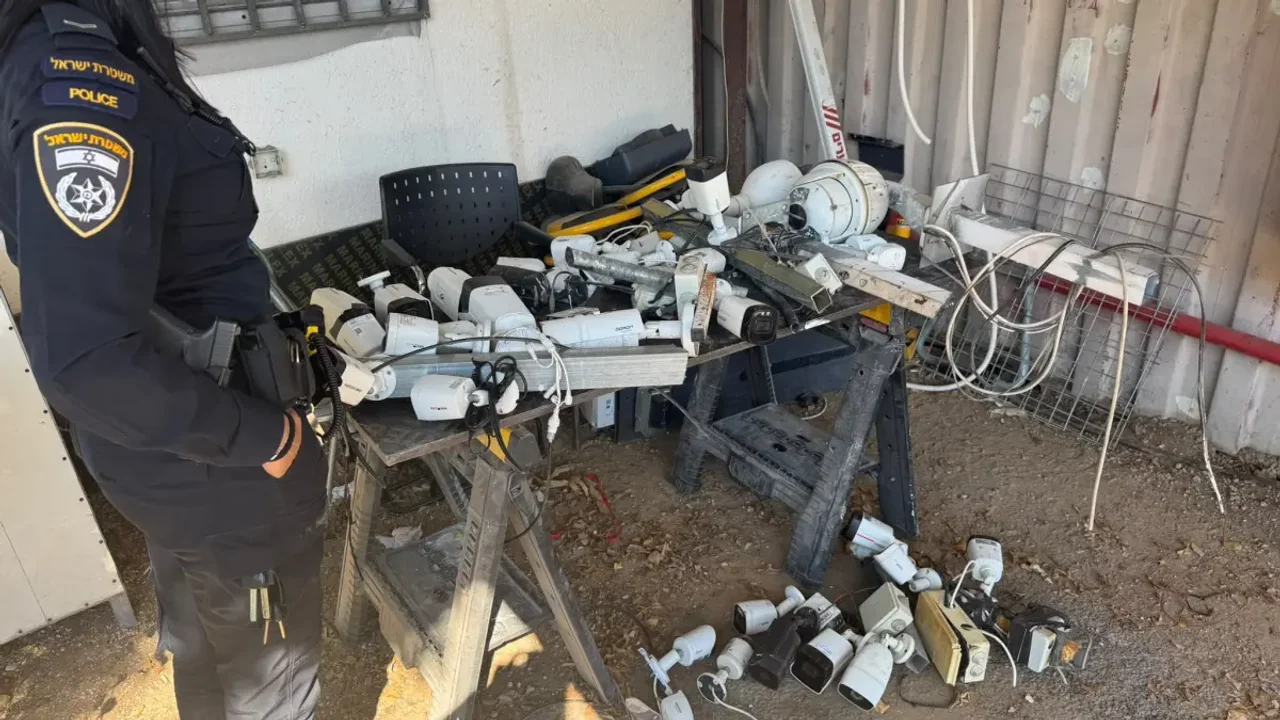
Dr. Amir Ganor, excavator of the site and head of the Antiquities Theft Prevention Unit at the Israel Antiquities Authority, highlighted the historical significance of the location. "Horbat Burgin is the largest ancient settlement in the area, both in terms of its surface area and the scope of its discovered remains. For years, the site suffered from extensive antiquities looting, with thieves breaking into burial caves and underground hiding systems, and even damaging surface structures," Dr. Ganor noted.
He added that intensive enforcement operations by inspectors and the Jewish National Fund, including apprehending looting squads, establishing the Adullam Caves Park, conducting salvage excavations, and opening the site to the public, successfully halted the destruction. Heritage Minister Amichai Eliyahu concluded that the discovery serves as a living testament to deep historical roots and the eternal struggle for the land, connecting ancient heroism to modern sovereignty.