5 Interior Design Secrets to Transform Your Home Without Knocking Down Walls
Discover expert interior design secrets for transforming your home without breaking walls, from bedroom textile layering to smart kitchen hardware and living room styling.
Revamping a living space does not always require heavy construction, expensive demolition, or a massive budget. For renters and homeowners alike, thoughtful interior updates can completely transform the atmosphere of a home without knocking down a single wall.
Interior designer and home styling expert Daniel Schleifer emphasizes that subtle interventions can yield remarkable results. Simple adjustments such as swapping out cabinet hardware, repositioning lighting fixtures, or introducing carefully curated focal points can inject a fresh character and renewed energy into any room.
Transforming the Bedroom Into a Sanctuary
Redesigning a bedroom begins with optimizing the sleeping experience itself. The bed serves as the anchor of the room, and investing in a quality mattress provides immediate comfort that rivals a luxury hotel suite. Once the foundation is set, attention turns to the visual presentation.
"I love starting bedroom design by choosing a color palette that sets the desired mood," notes Schleifer. Natural, earthy tones such as cream, sand, and beige cultivate a profound sense of tranquility, warmth, and visual harmony.
Layering textiles is the next crucial step. Combining smooth bed linens with textured throws, decorative pillows in varying dimensions, and lightweight blankets creates depth even within a monochromatic palette. Hanging airy, sheer curtains softens natural daylight, while bedside reading lamps eliminate the need for harsh overhead lighting during evening hours.
Refreshing Kitchen Details
Kitchen updates can be swift and impactful without replacing entire cabinetry structures. Upgrading hardware is one of the easiest transformations available. Wooden handles, for instance, can instantly introduce warmth and tactile appeal to a bright kitchen.
Before purchasing new hardware, measure the distance between existing screw holes to match pre-existing fittings and avoid unnecessary drilling. Additional depth can be achieved by applying a subtle textured paint finish to an accent wall, or simply by styling functional items already on hand.
Schleifer suggests arranging wooden cutting boards, artisanal ceramic vessels, small potted plants, or favorite cookbooks in an intentional vignette. Grouping items of varying heights and materials in a single corner leaves the rest of the workspace clean and uncluttered.
Curating a Dynamic Living Room
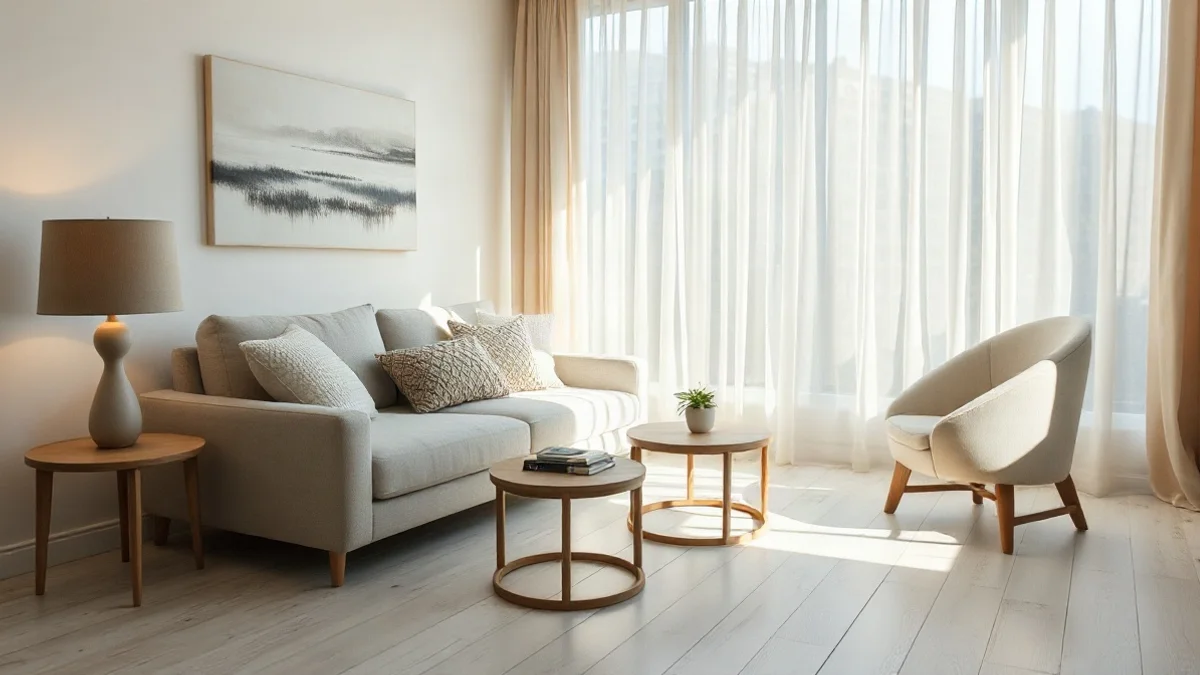
Living room styling thrives on eclectic pairings rather than rigid matching sets. A streamlined sofa can sit comfortably alongside a curved armchair, and a cluster of tiered nesting tables can easily replace a bulky single coffee table.
The key is to tie disparate elements together through a shared color accent, a common material, or a unifying design motif. Repeating a specific hue in both a throw pillow and a wall art piece unifies the space effortlessly.
Layered lighting remains essential in the main living area. Combining ambient overhead illumination with floor lamps and targeted accent lighting highlights artwork or bookshelves, establishing a warm and welcoming ambiance.
"In every living room, it is worth creating one or two focal points," Schleifer advises. Whether it is a statement light fixture, a custom bookcase, or a prominent canvas, sometimes clearing space around an existing feature or redirecting light toward it is all it takes to experience the room entirely anew.