How the Gulf War and Missiles Created the Iconic Israeli Pitzutziya
Discover the surprising wartime origins of the iconic Israeli pitzutziya, the 24/7 neighborhood convenience store whose name stems from missile explosions during the Gulf War.
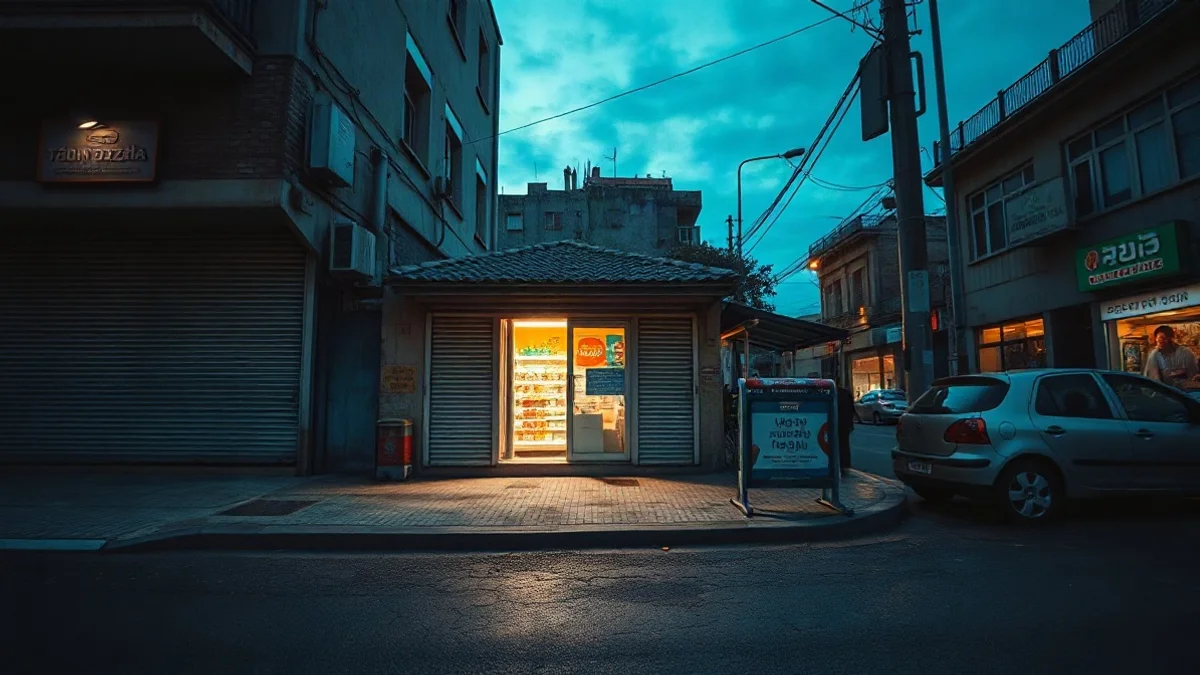
The iconic Israeli pitzutziya—the neighborhood convenience store that stays open around the clock to offer midnight snacks, phone chargers, and daily essentials—has become a staple of urban life. Despite its name, which easily brings to mind the Hebrew word for roasted seeds and nuts, the true origin of the term carries a far more dramatic history rooted in wartime survival.
The Origins on Yehuda Halevi Street
Tracing the history of the term leads to Yehuda Halevi Street in Tel Aviv and a landmark shop simply named "HaPitzutziya". Current owner Niko Iskhakov purchased the business from Dani Kugelbitz, who established the storefront over three decades ago. Surprisingly, the distinctive name was born during the Gulf War. "The name 'HaPitzutziya' came because missiles fell right here, and the logo itself is designed like an explosion," Iskhakov explains. Operating around the clock during times of conflict cemented the venue's reputation for unwavering availability when traditional businesses pulled down their shutters.
Maintaining round-the-clock service during crises remains a defining trait of these urban kiosks. Iskhakov, who spent extensive periods serving in reserve duty, witnessed this vital urban function firsthand during recent military escalations involving Iran, when deserted streets left residents scrambling for open storefronts. Returning directly from military service to reopen the shop highlighted striking parallels to the conditions faced by the original founders during the Gulf War.
Surviving and Thriving Amid Modern Competition
Facing stiff competition from modern 24/7 convenience chains and supermarket branches, traditional independent kiosks maintain their edge through curated variety and nostalgia. Iskhakov describes the original shop as the downtown duty-free of its era, stocking hard-to-find imported novelties that were unavailable anywhere else. Even today, the enterprise continues to source exclusive international goods to stand out from major competitors. Preserving the original interior architecture designed by an architect decades ago turns the shop into a living piece of municipal history.
What began as the unique moniker for a single storefront rapidly transformed into a linguistic category defining thousands of similar independent businesses across the country. Today, the local kiosk has evolved far beyond a tiny window stand into a thriving urban convenience hub. Industry estimates indicate that more than 11,000 such shops operate across the nation, all tracing their lineage back to a single Tel Aviv storefront that kept its lights on through the nation's darkest hours.