Haifa Court Orders 22,000 NIS Compensation for Online Counterfeit Shoe Sale
A Haifa court ordered an online retailer to pay 22,000 shekels in damages and legal fees to a customer who received counterfeit UGG shoes, ruling the firm engaged in systemic consumer deception.
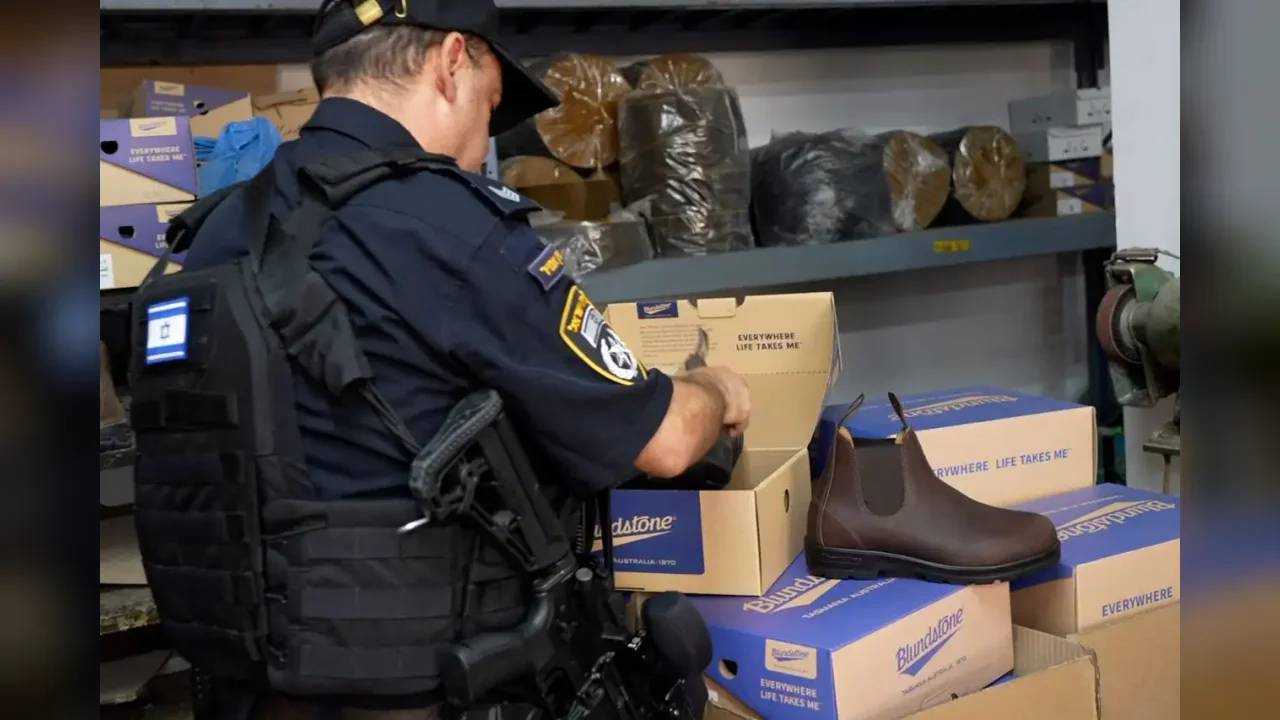
A consumer who purchased two pairs of UGG footwear from the King Shoes online store—operated by C. Bar Commerce—discovered that the items were counterfeit despite marketing claims that presented the retailer as an authorized distributor. The Magistrate's Court in Haifa ordered the company and its owner to pay 17,000 shekels in compensation, alongside 5,000 shekels in legal expenses, after finding that the enterprise engaged in deliberate consumer deception.
The purchaser paid 989 shekels in three credit card installments for what she believed were discounted authentic products. Upon delivery, she noticed defective stitching and contacted customer service, where a representative insisted that all merchandise originated from authorized suppliers. Although the buyer returned both pairs, the company never issued a refund.
Court Findings and Systematic Misrepresentation
Judge Avishay Robs rejected the defendants' argument that the customer failed to prove the items were fake through an expert opinion, noting that the buyer documented the flaws in real-time and that her testimony remained unrefuted during cross-examination. Furthermore, the court pointed to prior legal rulings involving the same commercial entity, concluding that the sale of counterfeit goods under false pretenses constituted a systematic pattern of behavior rather than an isolated incident.
The bench upheld the consumer's right to cancel the transaction due to material misrepresentation, emphasizing that she would never have completed the purchase without the assurance of authenticity. The judgment awarded 700 shekels for the product refund, 7,000 shekels for severe emotional distress, and 10,000 shekels in exemplary damages.
Personal Liability for Corporate Management
Beyond holding the corporate entity liable, the court addressed a request to impose personal liability on the company's owner and his father. Judge Robs ruled that the sole shareholder and driving force behind the business must settle the compensation out of his private funds, finding that he orchestrated the deceptive scheme and deliberately misused the corporate veil to shield himself from liabilities and lawsuits. However, the request to hold the owner's father personally liable was dismissed because he was not registered as a shareholder.