Haifa Kiryat Haim Beach Closed Indefinitely Over Severe Water Pollution
The Ministry of Health has closed Kiryat Haim beach in Haifa due to abnormal microbial contamination. Environmental group Zalul reports 71 beach closures this season, citing severe infrastructure neglect.
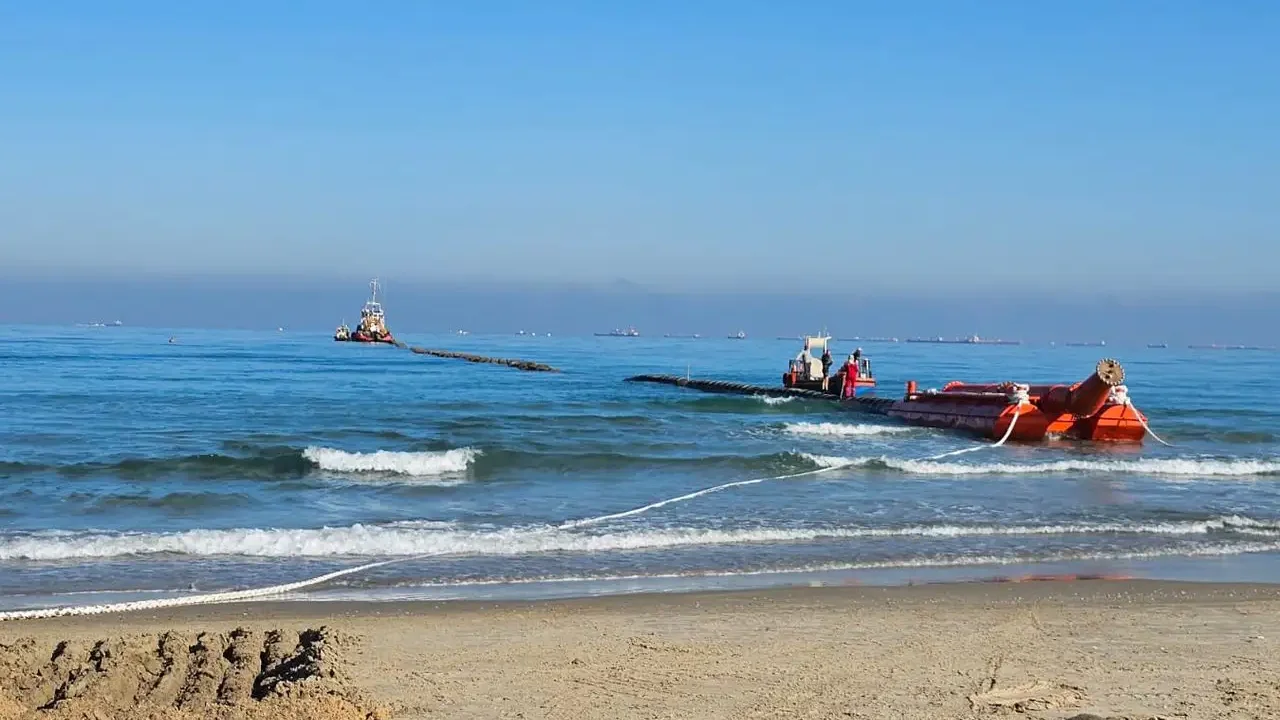
The Ministry of Health has issued a bathing warning for the Kiryat Haim beach in Haifa, ordering its immediate closure until further notice. The decision follows routine water quality tests that revealed exceptional microbial contamination. The exact nature and source of the pollution remain unknown. The Haifa Municipality has closed the beach and urged the public to avoid bathing until follow-up sampling results are obtained.
This latest closure has sparked public criticism regarding the Ministry of Health's repeated warnings about sewage and waste in the water shortly after beaches open, without identifying the root cause of the recurring issue.
Environmental Groups Demand Action
Environmental organizations have reacted strongly to the repeated closures. The Environmental Headquarters reported that this marks the 50th closure of Kiryat Haim beach this season, making Haifa the leading city in Israel for beach closures. The organization emphasized that the source of the pollution has not yet been identified, despite the ongoing public harm and the economic damage inflicted on local businesses. They have demanded that the Ministry of Environmental Protection, the Water Authority, and the Haifa Municipality conduct a transparent investigation, publish their findings, and take enforcement actions against those responsible.
Infrastructure Failures and National Statistics
According to data published by the Zalul Environmental Association, there have been 71 beach closure events resulting from 11 different pollution incidents since the beginning of the current bathing season, with Haifa topping the list. Zalul explained that this phenomenon is directly linked to the neglect of sewage and drainage systems, which includes:
-
Pipe collapses and structural failures
-
Cross-connections between runoff and sewage systems
-
Technical malfunctions at pumping stations
-
Failures at wastewater treatment facilities
-
Blockages caused by the public flushing wet wipes
These figures follow more than 1,500 beach closure events recorded during the past winter.
Zalul placed responsibility on water and sewage corporations, local authorities, and government ministries for failing to provide adequate supervision. The association urged regulators to enforce strict penalties, issue fines, launch a public awareness campaign, and called on municipalities to rehabilitate aging infrastructure and separate runoff systems from sewage networks.