HaEla Quarter Mega-Project in Southern Israel Faces Legal and Local Resistance
The approval of the 6,800-unit HaEla Quarter near Kiryat Malakhi has sparked intense opposition from regional councils and farmers over agricultural loss, high infrastructure costs, and environmental hazards.
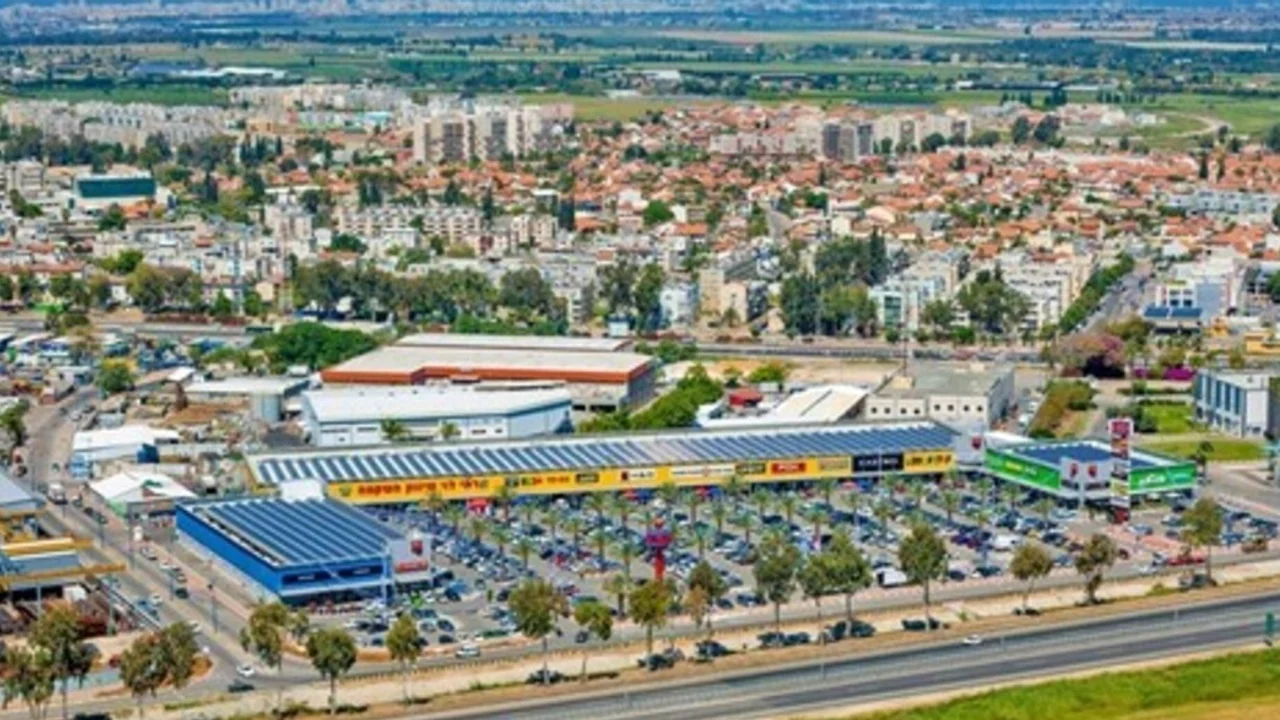
A sweeping new residential and commercial mega-project in southern Israel has triggered sharp opposition from local regional councils and agricultural communities, setting the stage for a prolonged legal and planning battle. The initiative, known as the HaEla Quarter, involves the construction of 6,800 housing units across 6,900 dunams of agricultural land east of Route 40.
Approval and Scale of the HaEla Quarter
In October 2025, the Ministerial Committee for Interior, Services, Planning, and Local Government approved the establishment of the HaEla Quarter following a recommendation by the Planning Administration to expand the city of Kiryat Malakhi. The project will nearly double the existing population of Kiryat Malakhi, which currently stands at approximately 30,000 residents. Most of the new high-density residential development is planned on land currently cultivated by farmers from moshav Timmorim and surrounding agricultural communities.
According to local representatives, the project threatens to encircle moshav Timmorim from three sides. "If the plan goes ahead, it will choke the settlement and fundamentally change its character because these homes will be built on land currently farmed by our residents," explained 40-year-old Tuval Bar-Yohai, representative of Timmorim on the BeTuvia Regional Council. The BeTuvia and Yoav regional councils argue that the plan consumes prime agricultural land while ignoring alternative site proposals submitted to the Planning Administration.
Infrastructure Hurdles and Environmental Concerns
Critics of the project, including the Ministry of Environmental Protection, the Ministry of Health, and the Ministry of Agriculture, have raised serious concerns regarding financial costs and environmental suitability. Planners estimate that relocating and upgrading extensive underground infrastructure—including water reservoirs, electrical grids, drainage, and communication networks—will require billions of shekels. Furthermore, portions of the designated land contain historical wastewater treatment facilities, posing soil contamination, odor, and insect hazards that will demand extensive remediation before any construction can begin.
Despite these objections, the High Court of Justice rejected a petition filed by the BeTuvia Regional Council seeking to halt the project, ruling that the initiative does not alter existing rights and that detailed objections must be submitted during subsequent planning stages. Limor Pariz Bar-Nes, deputy chair of the BeTuvia Regional Council, noted that local authorities attempted to negotiate land-swap alternatives with the Planning Administration but received no favorable response.
Project Scope and Proposed Facilities
The master plan for the HaEla Quarter extends from Route 40 near the Achim Junction toward Highway 6, incorporating 990,000 square meters of commercial and industrial space. The development blueprint includes comprehensive public infrastructure:
- 38 daycare centers and approximately 50 kindergartens.
- 6 elementary schools and 5 high schools, totaling 290 classrooms.
- 5 synagogues, youth clubs, sports facilities, and emergency services infrastructure.
- A dedicated medical center supplemented by regional facilities such as Assuta Medical Centers in Ashdod, Kaplan Medical Center in Rehovot, and Barzilai Medical Center in Ashkelon.
While municipal leaders await potential policy shifts from incoming government bodies, planners maintain that the quarter will provide vital housing density and economic growth close to major employment centers in Kiryat Gat, Ashdod, and Ashkelon.