Google Shares Face Record $400 Billion Wipeout Amid Soaring AI CapEx
Google shares face a potential 10% drop, threatening a record $400 billion valuation loss as massive AI capital expenditures and surging long-term debt overshadow strong quarterly revenue growth.
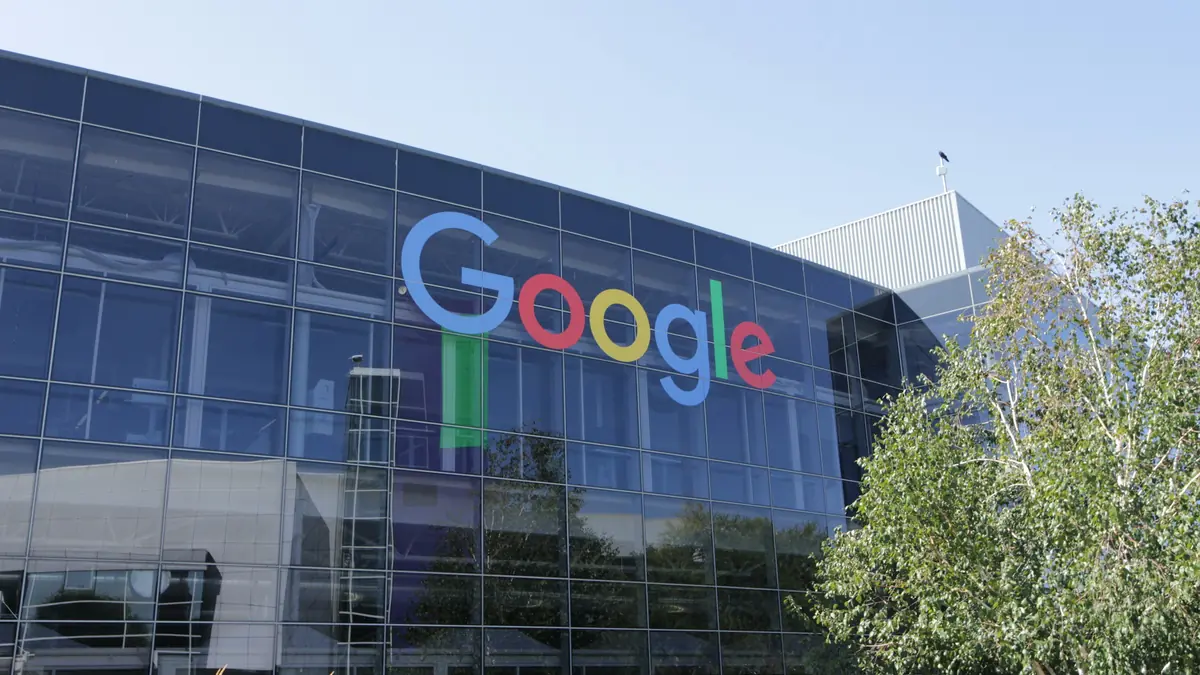
Wall Street investors are bracing for a potential 10% or sharper drop in Google shares, in what could mark one of the worst trading sessions for the tech giant since its 2004 IPO. While Google previously experienced similar declines during the 2008-2009 banking crisis and approached the threshold during the second quarter of 2023, the current downturn threatens to wipe out an unprecedented $400 billion in market value—thirteen times the amount paid to acquire Wiz.
The AI Infrastructure Burden and Mounting Debt
Until recently, Google stood as a testament to maintaining profitability and positive cash flow while pouring massive capital into generative artificial intelligence models to rival top-tier competitors like Anthropic and OpenAI. However, the past two quarters have raised widespread doubts regarding the profitability horizon of the AI era. If Google, long an oiled cash machine, struggles to convince investors of its financial strength amid the artificial intelligence arms race, questions loom over how startups like Anthropic and OpenAI will convince investors to embark on bold moves like initial public offerings.
Surging Revenues Countered by Soaring CapEx
On the surface, Google's growth remains phenomenal. Last year, the company surpassed the milestone of $100 billion in quarterly revenue for the first time, with annual growth climbing from 24% to 25% within a single quarter to reach $127.6 billion. Management remains confident that the company can achieve an annual run rate exceeding half a trillion dollars. While advertising revenue growth has slightly moderated, cloud computing revenue—which incorporates AI and cyber security services from Wiz—doubled within a year to $30.7 billion, with operating income in the sector tripling to $11.1 billion.
However, this revenue expansion is not translating into headcount growth or expanding cash reserves, but rather into intensive capital expenditures (CapEx). Google is aggressively redirecting cash flow toward purchasing graphics processing units, leasing data center capacity, and securing energy infrastructure to power AI workloads. Capital expenditure surpassed $50 billion for the quarter, and with operating cash flow lagging far behind, negative free cash flow widened to a record $9.1 billion. With capital expenditure targets raised to an upper ceiling of $205 billion, Chief Financial Officer Anat Ashkenazi signaled a pessimistic outlook for near-term improvements in free cash flow.
Profit Volatility and Silicon Valley Trends
Mirroring broader Silicon Valley trends seen at companies like Oracle and Amazon, Google has significantly increased its reliance on debt. Long-term debt surged by 169% within a year, climbing from under $50 billion to roughly $100 billion in the previous quarter and reaching $125 billion in the third quarter. As Google undertakes unprecedented bond issuances and equity offerings, profitability is experiencing pressure. Both operating income and earnings per share missed consensus estimates, while overall net income plummeted and exhibited pronounced volatility.
Google must undoubtedly invest heavily in AI infrastructure, yet unlike Microsoft or Anthropic, it must do so while fiercely defending its dominance in search and digital advertising. The company's latest figures demonstrate that artificial intelligence investments do not automatically yield immediate profitability, as escalating capital demands coincide with compressed margins across the sector. As market participants confront the specter of an AI bubble characterized by mounting debt and uncertain returns, Google faces a critical test to reassure investors of a viable roadmap to profitability.