Global Climate Crisis Threatens Polar Ice and Public Health as COP31 Approaches
A new international scientific report warns that exceeding climate warming targets will cause irreversible glacier loss and health risks. Meanwhile, coastal flooding and rising US coal plant support highlight ongoing climate policy challenges.
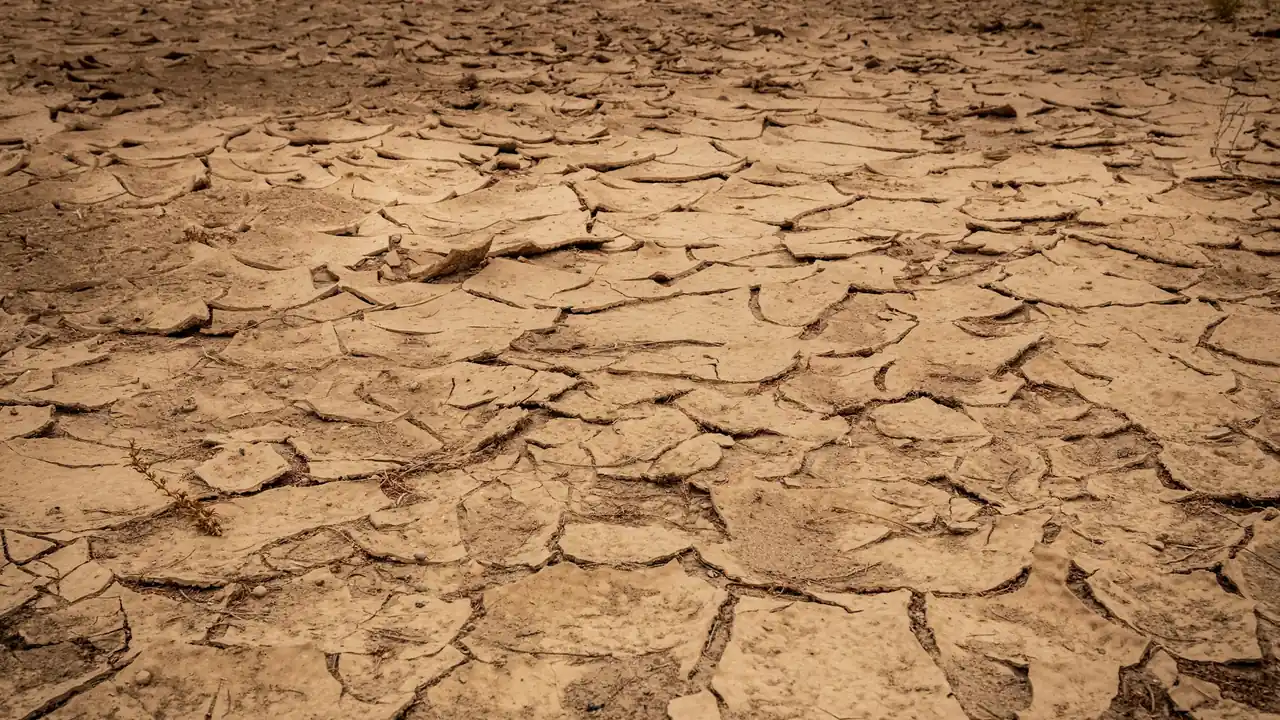
The global climate crisis poses unprecedented threats to humanity, ranging from accelerating polar ice melting to the dangerous spread of antibiotic-resistant bacteria endangering millions. A new report by 80 scientists, compiled in cooperation with the United Nations Environment Programme and the International Cryosphere Climate Initiative (ICCI), warns that even a temporary exceedance of the 1.5°C warming target set by the Paris Agreement could trigger irreversible damage to glaciers and ice sheets.
According to the data, ice sheets in Greenland and Antarctica are currently melting at a rate six times faster than in the 1990s. Under current climate policies, which project warming of about 2.8°C, glaciers in the Alps, the Rocky Mountains, Iceland, and Scandinavia could lose over 90% of their mass. In the Hindu Kush and Himalayas, which supply water to nearly a quarter of the global population, only about 41% of glacier mass is expected to remain. Against this backdrop, the upcoming UN Climate Change Conference (COP31) is scheduled to take place from November 9 to 20 in Antalya, Turkey, with participation from over 190 nations. Australia will lead negotiations aimed at accelerating the transition from fossil fuels to clean energy and mobilizing climate finance.
Meanwhile, climate damage is severely impacting coastal regions. California recorded 12 coastal flooding days in the Los Angeles area since the beginning of the year, a 50-year record driven by rising sea levels, marine heatwaves, and oceanic fluctuations. In North Carolina, receding coastlines and collapsing homes have caused severe infrastructure and tourism damage, and despite $101 million in assistance from FEMA, a long-term plan has yet to be formulated.
On the health front, a study published in Lancet Planetary Health estimates that climate change has contributed to an approximately 10% increase in antibiotic-resistance genes in Salmonella bacteria. Rising temperatures and floods accelerate the spread of pathogens, with UN data showing that drug-resistant bacterial infections were linked to about five million deaths in 2021 and could cause 39 million deaths by 2050. Despite scientific warnings and health risks, the US administration provided $950 million in financial support to about half of the active coal-fired power plants in the country, including exemptions from strict air pollution standards for 70 plants, such as a facility in Texas whose emissions have been linked to up to 177 premature deaths annually. While Environmental Defense Fund (EDF) analysis warns that these measures prolong the operation of polluting plants and increase public harm, the administration maintains that the support preserves production capacity to ensure reliable and affordable electricity supply.