Director Gidi Dar on His New Film "The Jester" and the Need for Jewish Unity
Israeli director Gidi Dar returns with his new film "The Jester," starring Shuli Rand. In a wide-ranging interview, Dar discusses his cinematic journey, collaborations with iconic actors, and the urgent need for unity within Israeli society.
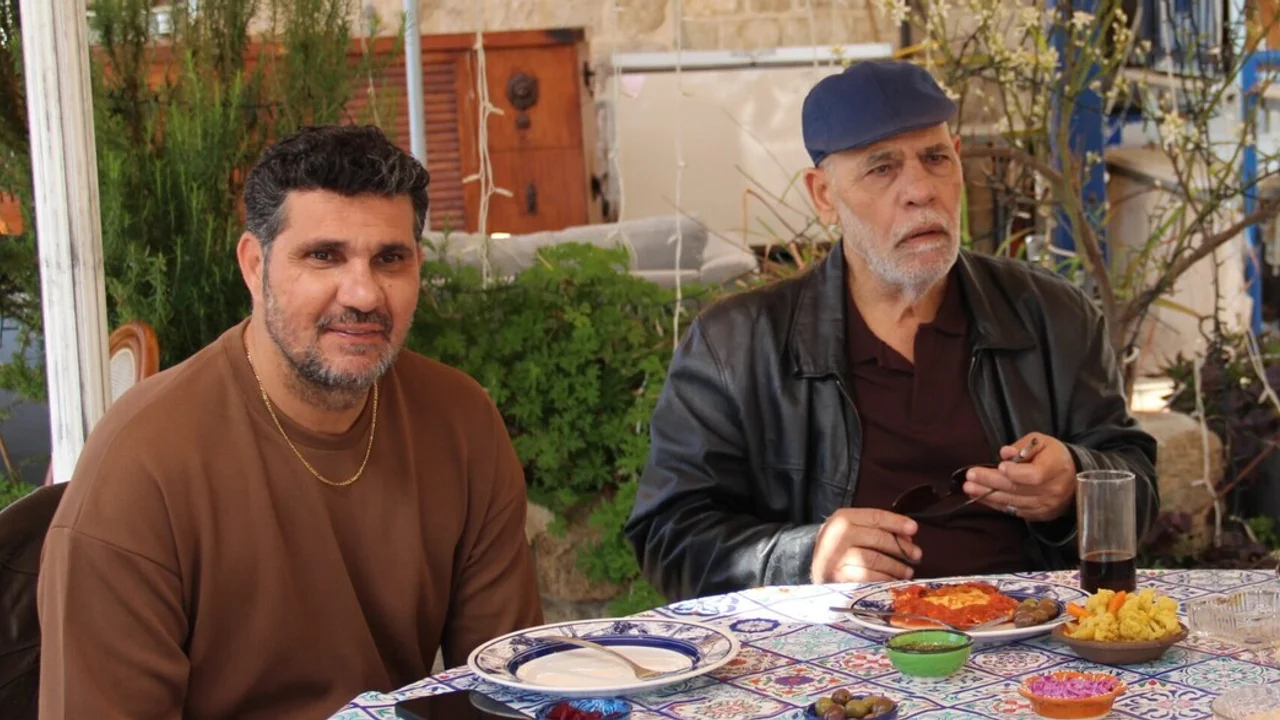
Director Gidi Dar has carved a remarkably idiosyncratic path in Israeli cinema, moving from a self-taught outsider shooting without a script to creating whimsical, deeply humane masterpieces. His latest feature, "The Jester", which recently hit theaters following acclaimed international screenings, marks his fifth collaboration across four decades with actor Shuli Rand. Blending Hasidic folklore, dark humor, and vibrant Jewish theatrical traditions, the film positions itself as a major artistic triumph in contemporary Israeli filmmaking.
The Making of "The Jester"
"The Jester" follows Moyshe Striker, a once-celebrated wedding comedian who has plummeted into destitution due to alcoholism, driven by an obsessive need to entertain audiences at any cost. When an opportunity arises to perform at the lavish wedding of a childhood friend—now a wealthy butcher played by Tal Friedman—Striker attempts a high-stakes comeback. The cast features Malka Goldman as his spiritually gifted daughter and Tsofit Grant as Fruma, his tough, fiercely protective wife. Despite being overlooked at the Ophir Awards, the film has won over international audiences, building on the stylistic groundwork laid by earlier projects like "Legend of Destruction".
A Cinematic Lineage and Early Struggles
Dar’s unconventional entry into filmmaking is deeply rooted in an extraordinary family background. The son of a legendary Israeli intelligence operative fluent in multiple languages, Dar pursued jazz piano in New York before stumbling into direction. His 1992 debut feature, "Eddy King", starred the late, magnetic Ronit Elkabetz in a French New Wave-inspired cult classic. Beset by severe weather and administrative hurdles during its premiere at the Haifa International Film Festival, the film was initially misunderstood by domestic audiences before earning recognition for its raw, anarchic spirit.
Reflections on Society and Unity
Beyond cinema, Dar maintains a candid, unvarnished perspective on Israeli culture and the deepening fractures within society. Drawing parallels between the mystical, colorful world of the ultra-Orthodox community portrayed in his films and the broader national landscape, he emphasizes the critical importance of internal reconciliation. As Dar observes, internal solidarity is paramount for national survival: "We must get along, Jews with Jews, before dealing with anyone else. The ship is rocking so violently that it is about to crash."