Germans Show Nostalgia for Angela Merkel Amid Political Turmoil
Germans display growing nostalgia for former Chancellor Angela Merkel amid political instability under Chancellor Friedrich Merz, as museum visitor numbers surge to view her new official portrait.
Germans are experiencing an unusual wave of nostalgia for former Chancellor Angela Merkel amid deep political turmoil. According to a report by The New York Times, polls show voters would prefer Merkel to navigate the country rather than current Chancellor Friedrich Merz, despite both belonging to the center-right Christian Democratic Union. After 16 years in power, Merkel stepped down in 2021.
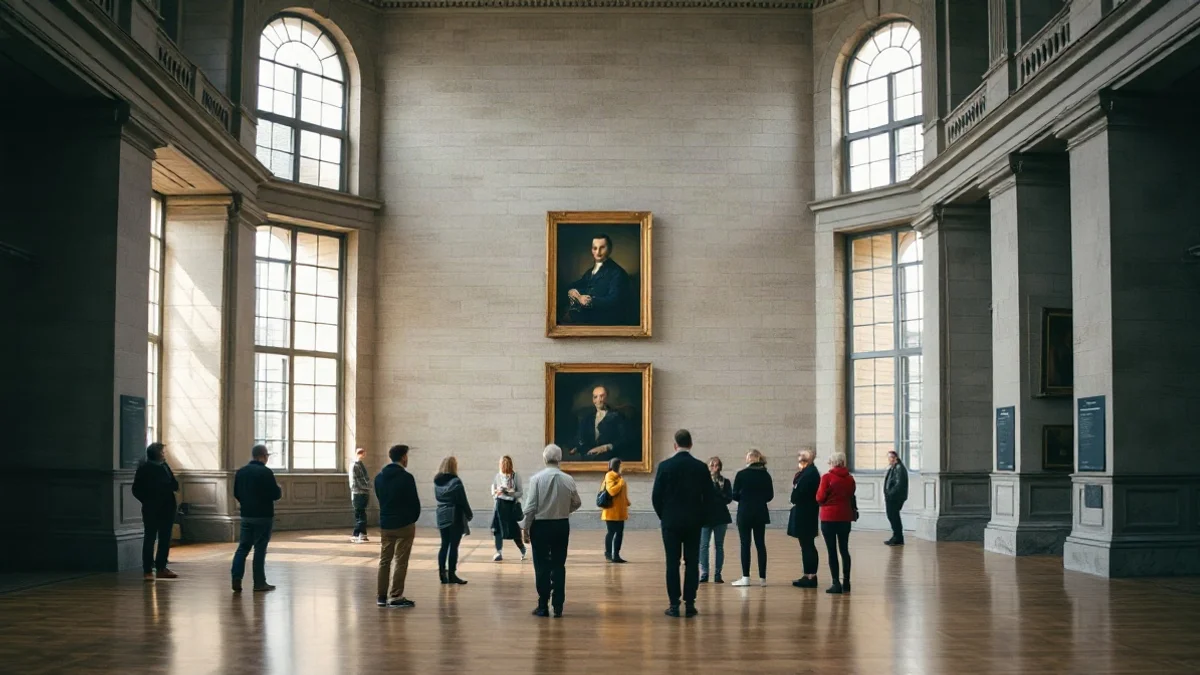
Late in the summer, her official portrait was unveiled at the Bode Museum in Berlin, a venue not typically known as a major tourist attraction. However, since the exhibition opened, daily visitor numbers have surged by 80 percent. This massive influx, reflecting a longing for traditional statesmanship, prompted museum management to extend the portrait's display through the end of the year. Peter Matuschek, head of the Forsa polling institute, noted that Merz's approval rating stands at just 11 percent, whereas Merkel left office with roughly 75 percent cross-party support.
This affection persists despite severe criticism of her political legacy. As chancellor, Merkel championed Russian gas imports, phased out nuclear power plants, and welcomed over a million refugees. These policies fueled public anger and contributed to the rise of the far-right Alternative for Germany party, the AfD, which is now preparing to form a regional government after winning autumn elections.
Despite the chaos surrounding Merz's government, crowds flock to see the portrait painted by 28-year-old artist Jérémy Cayras, seeking a reflection of more stable times. The painting depicts Merkel in a bright blue jacket, her face unsmiling, with her fingers steepled on a table. Next to her rests a silver cube inscribed with the words, "In calmness lies strength."
Critics remain divided, while admirers see a monumental presence, art magazines have dismissed it as a celebration of conflict-free mediocrity. Merkel herself continues to control the narrative. During a recent museum visit to meet with students, admirers who traveled nearly 480 kilometers were locked out of the room. As she briskly walked past the small crowd waiting in the rotunda, a reporter attempted to ask a question, to which she gave a short and definitive answer: "Nein."