France Unrest: Riots Highlight Growing Security Crisis and Community Concerns
Violent riots across France have shocked the nation, but Europe's largest Jewish community sees them as a grim confirmation of long-standing warnings regarding security and rising extremism.
Violent riots that swept France, resulting in widespread looting, burned cars, and attacks on public buildings, have not surprised the country's Jewish community, the largest in Europe. Community members and leaders note that the escalating violence mirrors warnings they have voiced for years regarding societal safety and the rise of extremism.
The Scale of Unrest
According to the French Ministry of Interior, 2,397 people were arrested nationwide, while 997 police officers and gendarmes sustained injuries, seven of them seriously. The Trade and Retail Federation reported that approximately 1,500 businesses were affected, with damages estimated in the hundreds of millions of euros. In Marseille alone, over 600 downtown businesses suffered damage, double the figure recorded during the 2023 unrest, according to the local Chamber of Commerce.
The riots erupted on the sidelines of demonstrations initially organized to protest the cost of living and the crisis in the education system. Estimates placed the number of participants between 550,000 and 800,000 nationwide, including some 110,000 in Paris. While the French government blamed the extreme left for the chaos, right-wing politicians in France and international leaders pointed directly to immigration and radical Islam.
Political Reactions and International Echoes
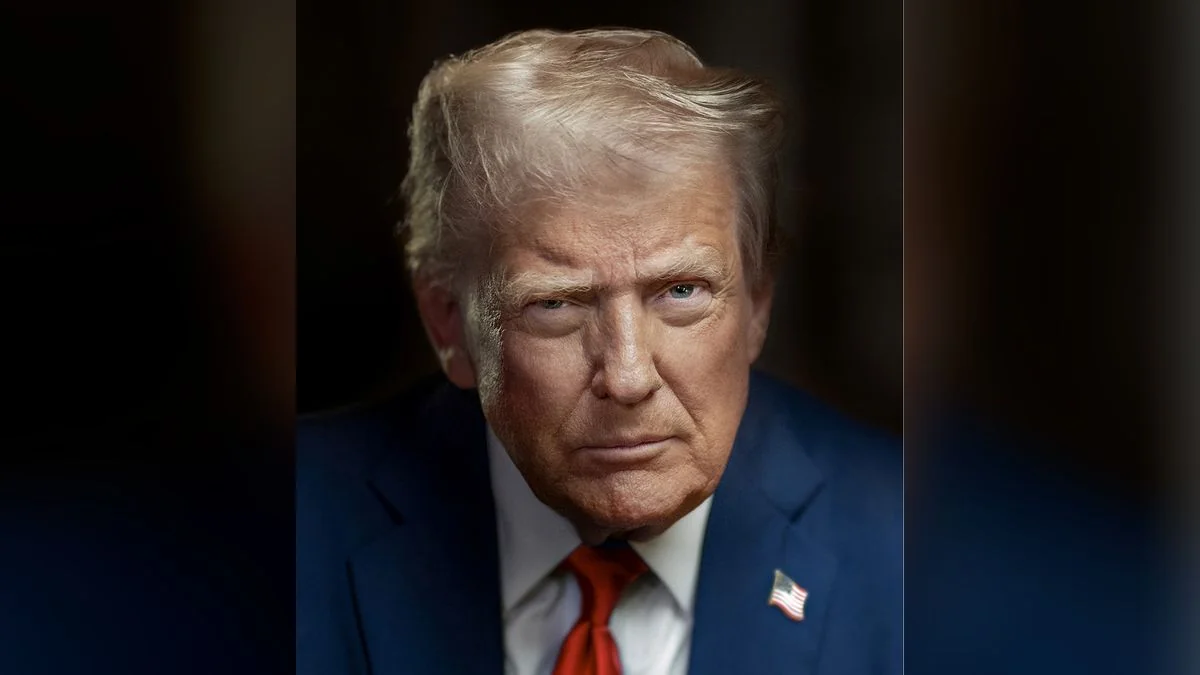
"France is burning! The immigration of people from a completely different world, people with hatred in their hearts, has crushed a country that was once so great," stated US President Donald Trump. His deputy, JD Vance, blamed "Western liberals" for allegedly "importing the Third World into France." Hungarian Prime Minister Viktor Orban and Italian Deputy Prime Minister Matteo Salvini similarly underscored the dangers of unmanaged migration and radical alliances.
Within France, approaching the presidential election, far-right leader Marine Le Pen criticized the governing administration and Jean-Luc Melenchon's La France Insoumise (LFI) party, accusing them of opening the door to chaos. Meanwhile, Melenchon rejected the accusations, arguing that the media overemphasized violence while tens of thousands marched peacefully, while simultaneously holding the government accountable for failing to de-escalate social tensions.
The Canary in the Coal Mine
Although the riots were not explicitly directed against Jews or Israel, the Jewish community views the developments through the lens of long-standing warnings. "What happens first to the Jews, happens later to the entire country," said Letitia Enriquez, a journalist for the Jewish publication Actu J.
Sarah Peretz, director of the AJC branch in France, emphasized that the rising tide of antisemitism signals a broader erosion of democracy. "For over twenty years, and more intensely in the last three years, we have been telling the public and the government: 'Beware of what is happening to us, because what happens to us today will soon happen to everyone,'" she noted. Many French Jews feel a dual sense of betrayal—regarding both their personal security and the core values of the French Republic to which they remain deeply devoted.
An Uncertain Future
As France looks ahead to upcoming elections, the Jewish community faces difficult dilemmas. Polls indicate a potential runoff between Marine Le Pen and Jean-Luc Melenchon, both scenarios sparking anxiety within the community regarding safety, political extremism, and the long-term viability of Jewish life in France.