France Expands Nuclear Deterrence Strategy Across Europe to Counter Russia
France is leading a European initiative to expand its nuclear deterrence against Russia by deploying Rafale jets and integrating regional defenses, as European doubts over US security guarantees grow.
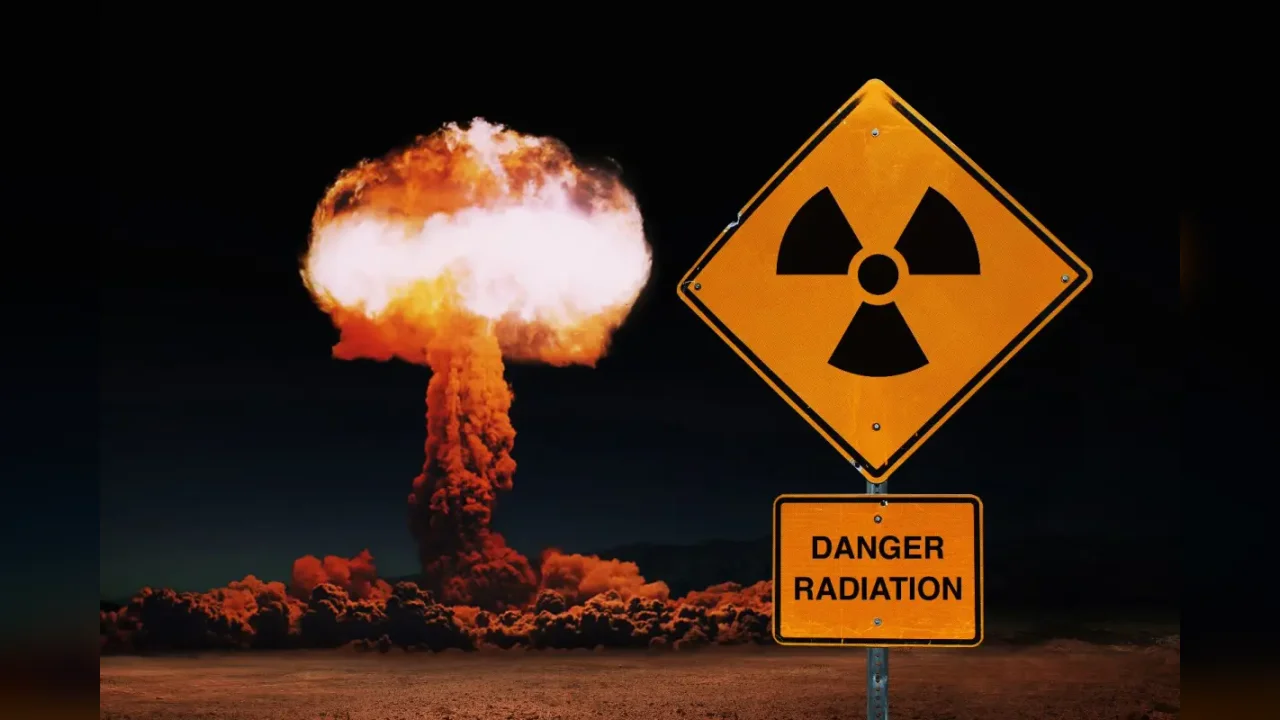
Amid growing doubts in Europe regarding US security guarantees, France is advancing a strategy to expand its nuclear deterrent capabilities to counter potential Russian aggression. President Emmanuel Macron has championed the initiative, dubbed "forward deterrence," which involves deploying nuclear-capable Rafale fighter jets across allied European nations, alongside establishing advanced communication, early warning, and intelligence-sharing infrastructure.
The primary objective is to introduce strategic uncertainty for Russian President Vladimir Putin, who commands one of the world's largest nuclear arsenals and has frequently brandished nuclear threats since invading Ukraine in 2022. According to reports, ten European nations have joined the French initiative with varying levels of involvement since March. The roster includes the United Kingdom, Germany, the Netherlands, Belgium, Poland, Greece, Finland, Norway, Sweden, and Denmark, while the Baltic states remain outside the fold and Italy declined to participate.
French nuclear doctrine permits the use of atomic weapons when the nation's "vital interests" are at stake, with President Macron clarifying that these interests possess a distinct European dimension. Paris, estimated to maintain roughly 290 operational nuclear warheads, preserves ambiguity regarding the precise geography of these vital interests without offering explicit security guarantees. Finnish President Alexander Stubb noted that while there are no plans to station nuclear weapons on Finnish soil during peacetime, the initiative creates a significant strategic dilemma for Moscow.
Skepticism over Washington's willingness to risk nuclear war for its allies dates back to the 1960s under President Charles de Gaulle, but anxieties have heightened recently due to President Donald Trump's diplomatic overtures toward Putin and pressure on Ukraine. Unlike aging US B-61 gravity bombs, French ASMP-A nuclear cruise missiles are designed to strike major Russian urban centers, offering an alternative level of deterrence. Nonetheless, the initiative's future remains tied to French domestic politics, as a potential victory by far-right leader Marine Le Pen in future presidential elections could undermine the credibility of the deterrence posture.