Accessibility Hurdles Persist for Fans with Disabilities in Israeli Football
An investigation into accessibility across Israeli football stadiums reveals persistent challenges for fans with disabilities, including parking disputes, blocked sightlines, and inadequate facilities.
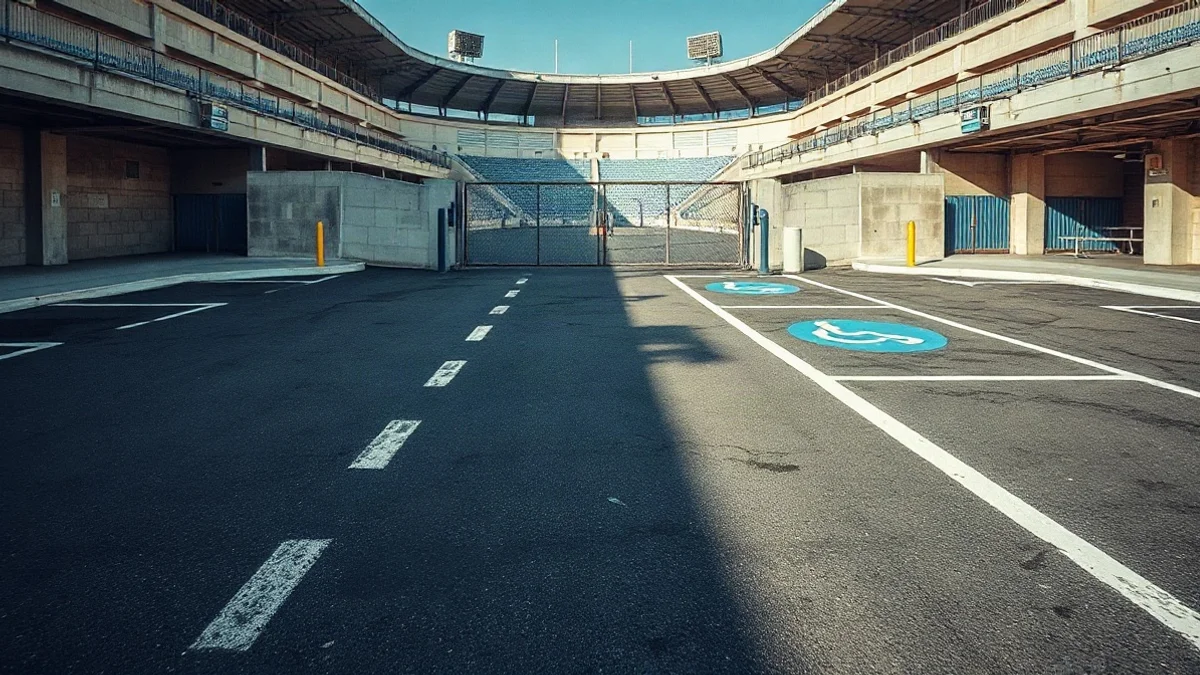
Despite statutory regulations, accessibility challenges continue to affect football fans with disabilities across Israel Premier League stadiums, impacting parking, seating, and stadium facilities.
Parking and Stadium Arrival Obstacles
Accessibility hurdles often begin even before fans enter the sports grounds. Jacob Liebman, a 76-year-old supporter of Hapoel Ramat Gan who walks with a cane, encountered parking restrictions at the Rehovot stadium ahead of a match against Maccabi Tel Aviv. Although holding written authorization from the club's fan representative, Liebman was denied entry to the designated accessible parking lot by security personnel. "I was told there was no space and that I should look for parking outside the accessible zone," he recounted, noting that other vehicles without visible permits were allowed inside. Distressed by the experience, Liebman returned home without attending the match.
Stadium management at Rehovot explained that parking restrictions were implemented by the Israel Police due to severe congestion and limited capacity. Similar parking difficulties have been reported at Teddy Stadium in Jerusalem, where fans with mobility impairments struggle with unauthorized vehicles occupying disabled parking bays. Stadium officials noted that they have increased accessible parking capacity, introduced free internal shuttle services, and added specialized quiet rooms for combat veterans dealing with post-traumatic stress disorder.
Tribune Visibility and Spectator Challenges
Once inside the arenas, fans frequently encounter obstructed sightlines and inadequate infrastructure. Uri Shalom Trabelsi, a Beitar Jerusalem supporter who uses a wheelchair, highlighted ongoing visibility issues at Bloomfield Stadium. "There is almost no stadium in the country where fans do not stand right in front of you and block your view of the pitch," Trabelsi said. He raised these concerns during a special Knesset Education, Culture, and Sports Committee discussion in May 2025, following an incident at the State Cup semi-final where spectators standing in front of him completely obscured his view.
Similar visibility barriers exist at other venues. At Doha Stadium in Sakhnin, wheelchair users are positioned at pitch level behind a perimeter fence rather than on elevated ramps, obstructing their view. Yuval Wagner, founder of Access Israel, emphasized that current stadium standards have fallen behind international benchmarks. "All stadiums in the country comply with existing regulations, but the requirements are a decade and a half outdated," Wagner stated, calling for higher viewing ramps and stricter enforcement.
Facilities, Restrooms, and Concession Stands
Infrastructure shortcomings extend to essential amenities such as restrooms and concession stands. Supporters utilizing Turner Stadium, Netanya Stadium, and the Bloomfield venue have reported issues with accessible restrooms being locked, occupied by non-disabled individuals, or lacking proper upkeep. Additionally, concession stand counters at several locations remain too high for wheelchair users to reach food and beverages independently, requiring reliance on fellow spectators or staff assistance.
While stadium managements maintain that they conduct regular maintenance and strive to accommodate fans with special needs, accessibility advocates stress the urgent need for updated legislation, improved enforcement, and comprehensive infrastructure upgrades to ensure equal treatment for all sports enthusiasts.