Why Flamingos Dance, Stand on One Leg, and Turn Pink: Secrets Revealed
Discover why the greater flamingo performs a moonwalk dance before eating, stands on one leg, and maintains a crucial role in aquatic ecosystems alongside conservation efforts.
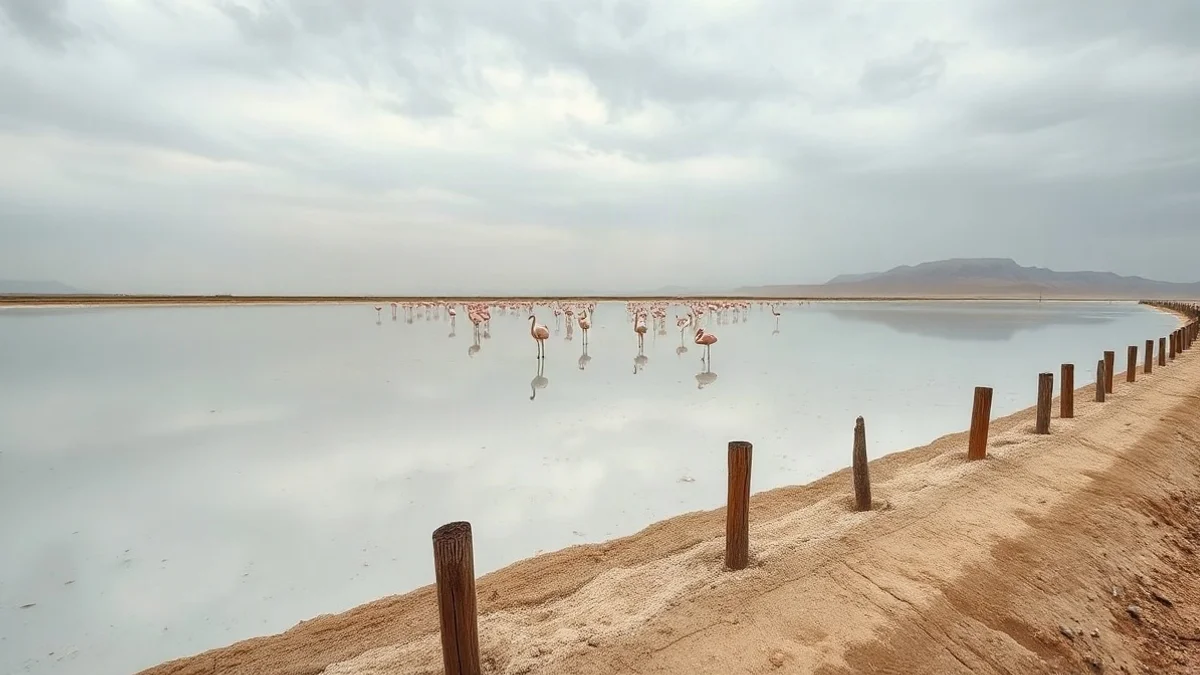
The greater flamingo stands out not only for its brilliant pink plumage and iconic silhouette, which dates back to ancient Egyptian illustrations, but also for its fascinating behaviors. Standing nearly a meter and a half tall, this elegant bird weighs a mere three kilograms. Its name derives either from the flamenco dance or from the fiery hue it resembles in flight. According to Noam Weiss, director of the Eilat Birding Center at the Society for the Protection of Nature in Israel, large flocks arrive in the country from breeding grounds in Turkey, Iran, Kazakhstan, and potentially France, before continuing toward the volcanic lakes of East Africa.
The Science Behind the Pink Feather and One-Legged Stance
The vibrant pink color of the flamingo stems directly from the small crustaceans it consumes, which provide the essential pigments for its feathers. In contrast, a rare black flamingo with coal-black body feathers and pink legs has captured international attention, spending the last decade roaming between Eilat, Cyprus, Turkey, and Egypt without ever reproducing. Standing on one leg serves a distinct physiological purpose: it minimizes exposure to chilly waters and preserves body heat. By tucking the folded leg and the bill into its back feathers, the bird conserves vital energy and stays warm throughout extended periods of rest.
Moonwalking and Ecosystem Role
Feeding requires intricate coordination. The flamingo initiates a "moonwalk" dance, executing small circular steps to stir up invertebrates from the shallows. It then inverts its head, scraping the bottom of the pond with its bill while its tongue and specialized filter separate brine shrimp from the mud. Other waterbirds frequently gather around feeding flamingos because only these birds can easily unearth the hidden crustaceans. Furthermore, the species maintains a balanced aquatic environment by allowing shrimp to clear out algae in salt evaporation ponds, such as those managed by Gadot and local salt industries.
Conservation Challenges and Artificial Habitats
Human activity and habitat loss pose significant threats to flamingos worldwide as natural salt lakes dry up due to dam construction and agricultural demands. In Israel, the birds frequently rely on artificial salt ponds in Eilat and Netif HaAsara rather than legally protected natural reserves. Conservationists have successfully blocked hazardous development plans, including giant wind turbines and poorly placed campsites that disturb nocturnal rest. Eilat birding officials and environmental organizations are currently collaborating with industrial operators to improve artificial water bodies, manage visitor traffic, and protect the fragile resting sites of migrating birds across the southern region.