Building Homes on Family Estates: The Hidden Legal Risks in Israel
Building homes on family agricultural estates in Israel often creates complex legal disputes over property rights, inheritance, and divorce claims years later.
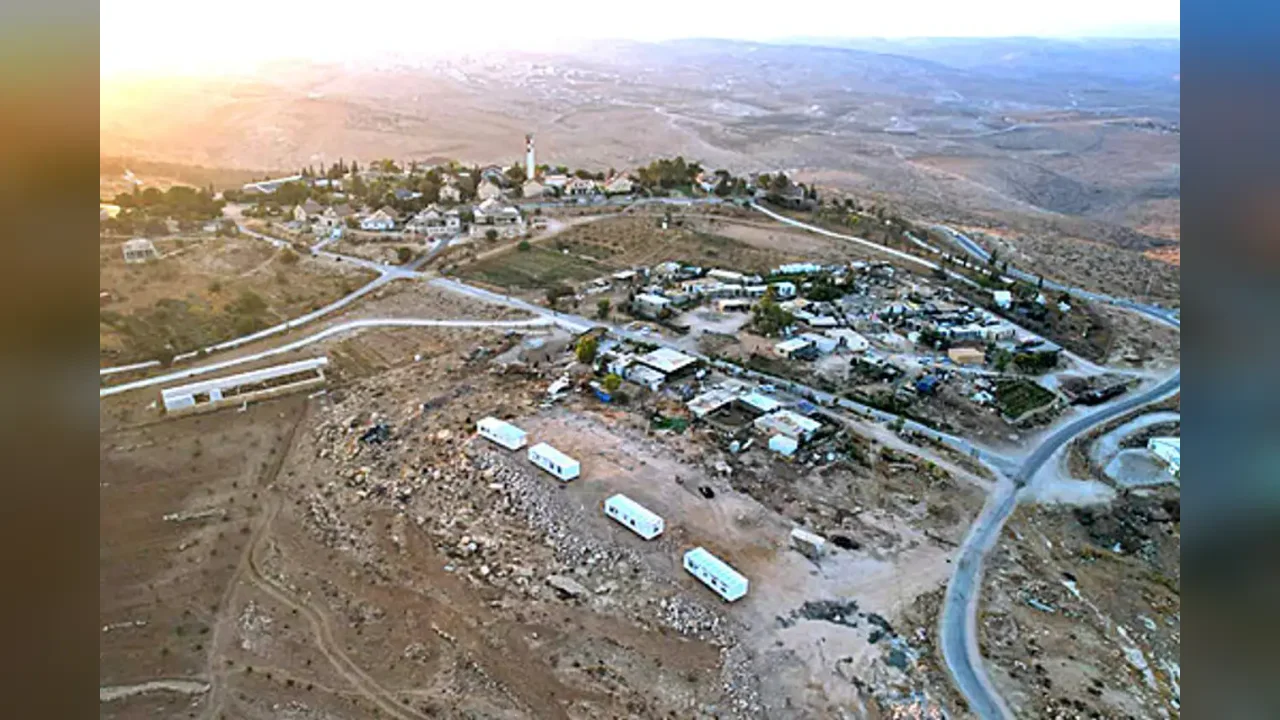
Building a house on a family agricultural estate, known as a nahla, often seems like a straightforward step for many families. Parents have the land, children need a home, and permits allow an additional residential unit. Yet, after a decade or two, complex legal questions often arise regarding true ownership.
The Legal Gap Between Construction and Land Rights
While a child may receive permission to build and live on the estate, funding the construction does not automatically transfer land rights. The legal distinction between obtaining a building permit and acquiring real estate ownership remains significant. This discrepancy usually stays hidden while family relations remain strong, but surface conflicts emerge when circumstances change.
Disputes frequently erupt when parents decide to sell the farm, require funds for living expenses, or pass away, leaving siblings to claim the house as part of the estate inheritance. Divorce proceedings involving the child who built the home also trigger complex property claims involving spouses and parents.
Preventing Future Family Disputes
Legal experts emphasize that informal verbal agreements often fail when tested in court. Investments made by children or spouses do not inherently grant land ownership without explicit documentation. Families can prevent substantial uncertainty by formally defining financing terms, residency rights, and contingencies for divorce or estate sales well in advance.