US Air Traffic Controllers Finally Phase Out Floppy Disks After Decades
US air traffic controllers are finally abandoning floppy disks and outdated legacy systems after decades of use. The FAA announced a comprehensive modernization plan to replace 40-year-old technology across all control facilities by 2028.
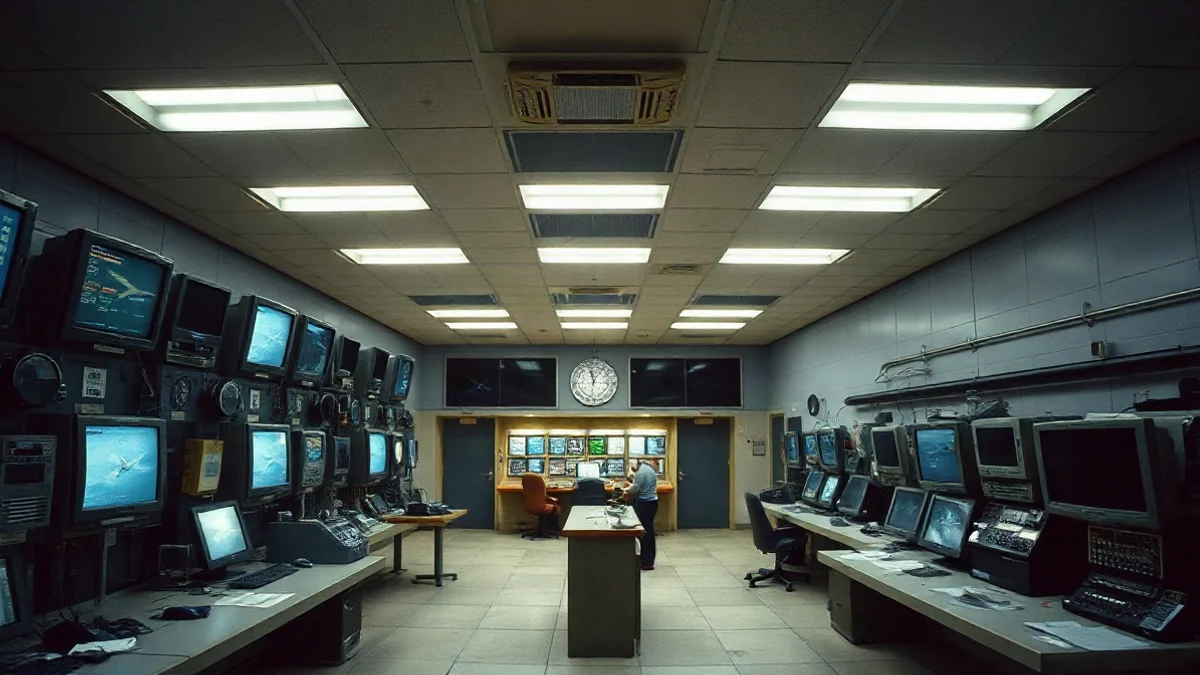
After decades of reliance on outdated technology, air traffic controllers in the United States are finally bidding farewell to floppy disks. US Transportation Secretary Sean Duffy announced the transition, declaring that the world's leading nation deserves top-tier air traffic control systems.
For decades, floppy disks served as a cornerstone of personal computing and data transfer, evolving from 8-inch formats in the 1970s to the familiar 3.5-inch plastic disks with a capacity of 1.44 megabytes in the 1990s. However, the rise of CD-ROMs and modern digital storage quickly rendered them obsolete. Today, floppy disks survive primarily as cultural relics, such as the save icon in software, but critical infrastructure lagged behind.
According to the Federal Aviation Administration (FAA), air traffic controllers still used floppy disks to load essential data into their consoles, including pilot reports and safety alerts. The issue gained renewed public scrutiny following a mid-air collision in Washington, D.C., in 2025, which highlighted aging infrastructure including paper flight strips and systems running on Windows 95.
Now, the FAA is phasing out four legacy systems that have operated for over 40 years, replacing them with modern digital platforms. The initial rollout will take place at facilities in Atlantic City, Nashville, Rochester, Atlanta, and Salt Lake City, with a complete transition across all 435 FAA control facilities targeted by the end of 2028. FAA head Brian Bedford emphasized that the upgrade will eliminate manual procedures and provide controllers with instant access to critical flight information.