European Media Focuses Closely on Israel's High-Stakes Elections Amid Shifting Alliances
European media is extensively covering Israel's crucial upcoming elections amid declining public favorability across the continent, shifting political alliances, and debates over international financial sanctions.

As European political leaders largely maintain cautious silence ahead of Tuesday's crucial Israeli elections, the continent's media is providing extensive coverage of the political shift. Over the past three years, Israel has become a central fixture on the European agenda, sparking weekly demonstrations, extensive reporting, and featuring prominently in local municipal campaigns from Berlin to London.
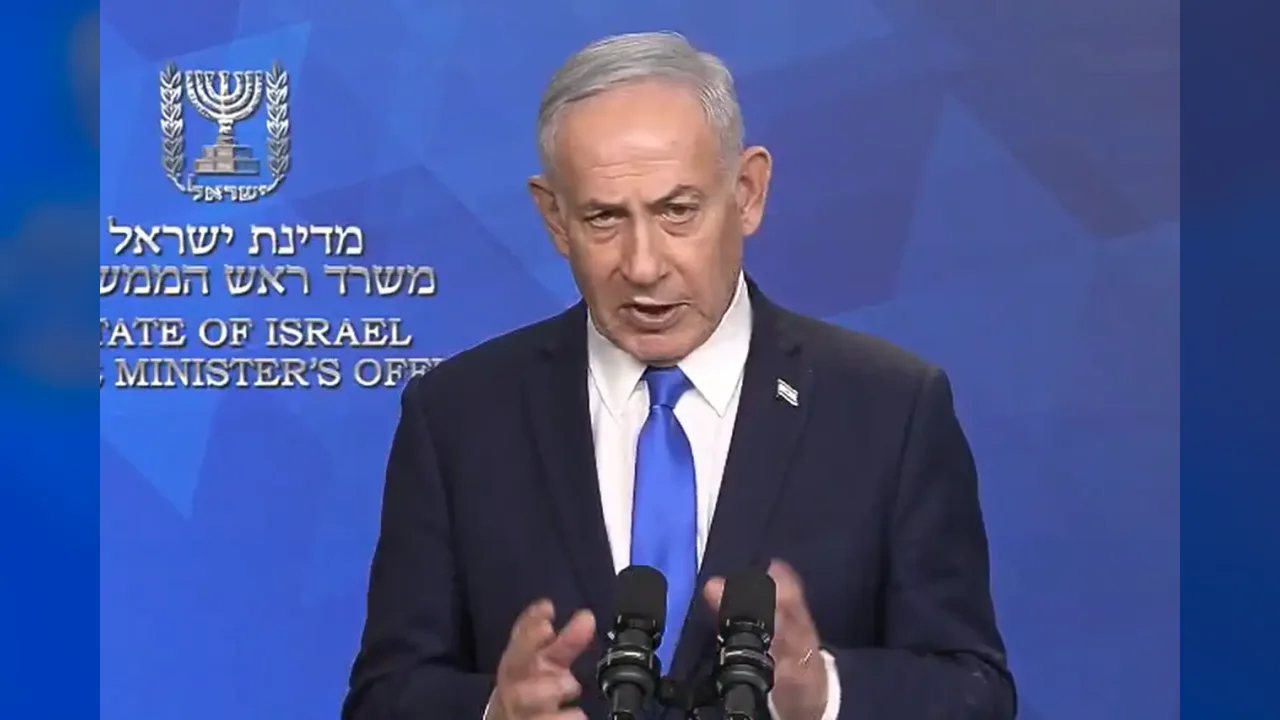
Recent headlines across Europe focused on Prime Minister Benjamin Netanyahu's remarks suggesting that international sanctions should compel Israel to utilize cryptocurrency and alternative financial mechanisms to evade them. Bloomberg translated his recent interview comments regarding efforts to counter global financial restrictions, drawing criticism from the opposition over comparisons to strategies employed by Russia or Venezuela.
Political Scenarios Across Europe
In Germany, deep-dive analyses are examining potential post-election outcomes. Der Spiegel questioned whether this marks the end of the Netanyahu era, noting polling data indicating that neither political bloc may secure a parliamentary majority, raising the prospect of a minority government. Meanwhile, Handelsblatt outlined three distinct scenarios for Netanyahu retaining power, ranging from unexpected election results and rotation agreements to the potential fragmentation of the opposition block.
Public sentiment and political alignment regarding Israel have shifted notably across the continent. Center-left parties have experienced eroding support, while populist movements on both the right and left increasingly question traditional diplomatic ties with Jerusalem. In the United Kingdom, the Labour government under Foreign Secretary Ed Miliband recently announced a diplomatic reset, introducing coordinated measures regarding settlement sanctions and discussions concerning financial restrictions on Israeli institutions.
Public Opinion and Regional Implications
Pan-European polling indicates a significant decline in net favorability toward Israel over the past three years. Germany's net favorability rating shifted from minus 15 prior to October 2023 to minus 49 currently, while Italy, Denmark, and Spain report negative ratings approaching minus 60.
While most European capitals tread carefully to avoid becoming targets in domestic Israeli campaign rhetoric, the broader geopolitical ramifications remain stark. Analysts warn that continued diplomatic friction over regional security and the Palestinian issue ensures that EU-Israel relations will face mounting challenges regardless of Tuesday's electoral outcome.