European Industrial Giants Face Severe Financial Pressure From Chinese Rivals
New McKinsey data reveals that half of Europe's industrial firms face financial distress in 2026 amid intense Chinese competition, high energy costs, and sluggish reforms, threatening 3.7 million jobs.
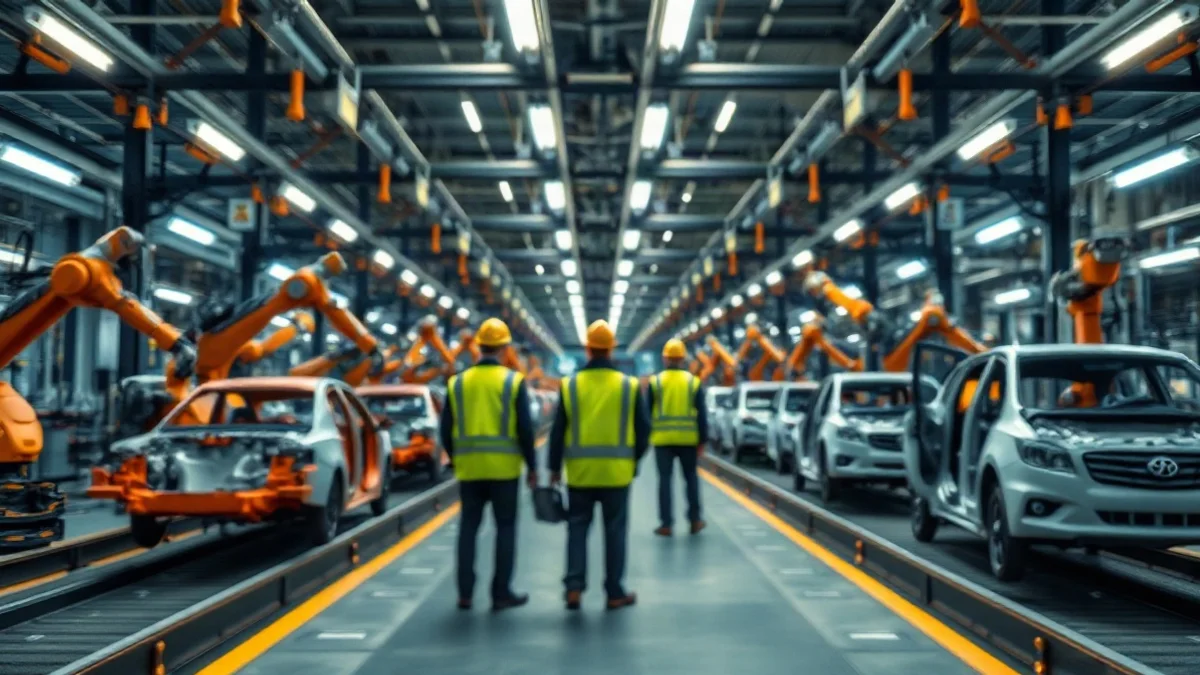
Half of Europe's industrial companies face significant financial pressure due to high labor and energy costs combined with intense competition from Chinese rivals, according to preliminary 2026 data from McKinsey. Approximately 50% of the region's manufacturing enterprises are currently classified as experiencing financial distress or pressure, rising from about 45% in 2025 and 42% in 2024. This mounting strain threatens roughly 3.7 million jobs across key economic pillars.
Industrial Giants and Restructuring Plans
The crisis has heavily impacted foundational sectors such as automotive and chemicals, forcing major manufacturers to implement aggressive cost-cutting and workforce reductions. Volkswagen advanced restructuring initiatives that could affect over 100,000 positions and involve closing production sites in Germany, while BMW and Volvo issued profit warnings. The McKinsey study evaluates nearly 1,200 public and private European companies with annual revenues exceeding 100 million euros across five financial metrics concerning earnings, cash flow, and debt. The preliminary 2026 figures indicate that 42% of firms are in financial distress, 8% face financial pressure, and only half maintain financial resilience.
Geopolitical Concerns and Declining Executive Confidence
This negative trajectory follows a survey published by the European Round Table for Industry, representing around 60 of the region's largest industrial and technology firms, which revealed an unprecedented drop in CEO confidence. Primary geopolitical concerns highlighted by executives include energy supply insecurity, global economic fragmentation into competing regional blocs, trade route instability, and the weaponization of critical raw materials.
Tunde Olanrewaju, McKinsey's European managing partner, emphasized that there is no single silver bullet to resolve Europe's productivity gap. Some distressed firms have successfully improved their positions by negotiating productivity measures with labor representatives, integrating artificial intelligence to reduce administrative burdens, and divesting or shuttering underperforming assets.