Between Palestinian Terror and Settler Violence: What Fuels Escalation in Judea and Samaria?
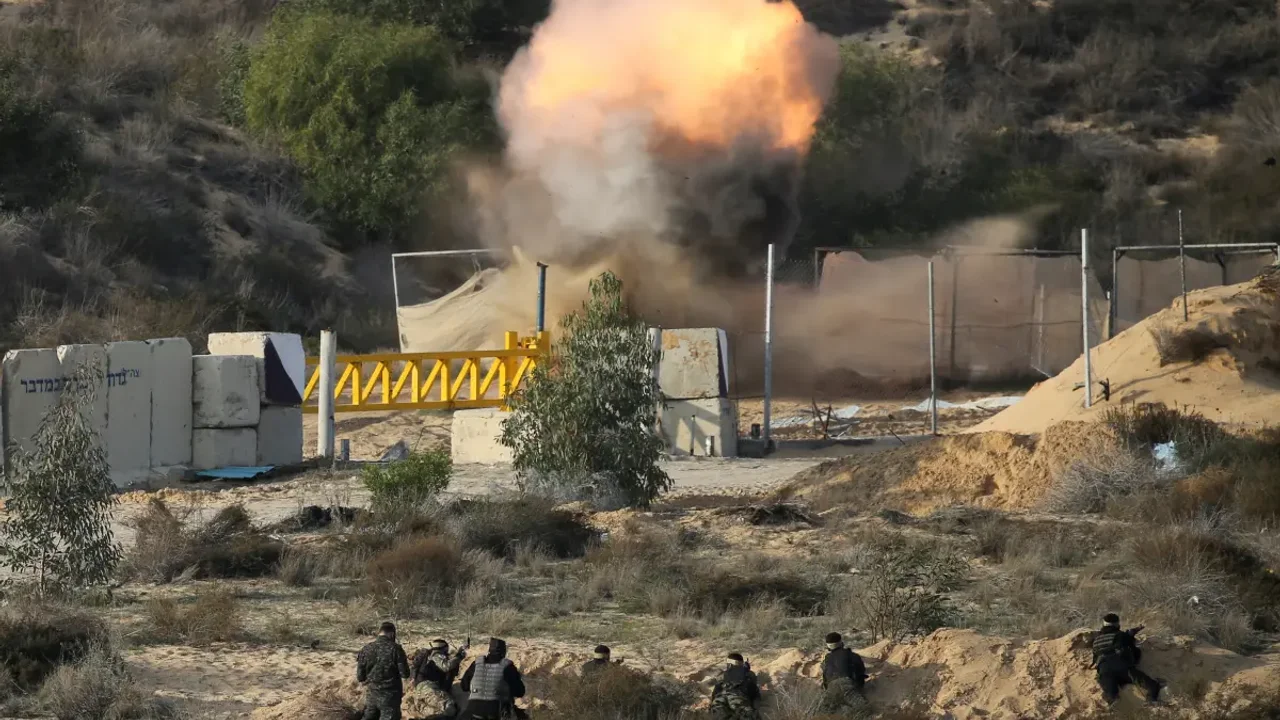
In the past three weeks, there has been a sharp increase in violent incidents in Judea and Samaria. The IDF, police, and Shin Bet have announced a joint effort to curb the phenomenon, but the establishment of new outposts has reduced the line of contact, and the growing boldness of extremist youth makes the situation harder to manage. The report examines the dynamics on the ground, public opinion, and the risks of further escalation.
Listen to the headline — ynet’s daily news podcast. This time: the rise in violence in the West Bank.
“Recently, we have seen a double-digit increase in incidents between Palestinians and settlers. There are many reasons, but we see great boldness on the part of the settlers, expressed in actions such as setting fire to mosques, entering private homes, vandalizing property, and harming animals. It started two weeks ago with a fire at the Gilad farm, where about 30 homes were burned. Initially, it was thought to be deliberate arson, but the IDF insists it was not intentional. However, in the West Bank, once the genie is out of the bottle, it is very hard to put it back,” says ynet’s West Bank correspondent Elisha Ben-Kimon.
“This incident gained momentum. Nationalist crime and arson followed, peaking a week later in the area of the village of Tel. The IDF, police, and Shin Bet are concentrating efforts in Judea and Samaria to lower the threshold of violence. In the last three years, Israel has completely changed its operational pattern in the territories. We are talking about some 170 farms in Judea and Samaria—land-grabbing events that create friction. Today, many Palestinians see settlers grazing livestock right outside their homes.
The line of contact has been greatly reduced. Today, there are 14 hotspots from which the most extreme hill youth set out. The new policy of Shin Bet head David Zini is to allow the IDF and police to act against them in a coordinated effort. The core goal is to isolate the violent nucleus from the rest of the population. At the same time, there is Palestinian terror. We see shepherds on farms facing attempts to snatch their weapons, stone-throwing, and physical harm. All these factors lead to the outcome we see on the ground.”
According to Shira Maikin, an adviser at the Acord center at the Hebrew University, violent events in Judea and Samaria cause damage to the settlers themselves. “In April, we tested two narratives: the first says that settlements are a security asset for Israel, and the second says that settler violence harms Israel’s security. Interestingly, 60% of the Jewish public agrees with both narratives. While seemingly contradictory, it reflects complex positions: one can believe large settlements are an asset while isolated outposts deep in the West Bank harm the State of Israel.
Evidence shows that the same people hold both positions. For example, 70% of Bennett voters think settler violence harms Israel’s security, while 50% also support the ‘asset’ narrative. However, over time, support for the ‘harm’ narrative is growing at the expense of the ‘asset’ narrative. This should worry the leadership of the settlements.”
If you missed it: you are invited to listen to another episode about the religious public’s deliberations ahead of the upcoming elections.