Emirates Reports 66% Profit Drop on Iran Conflict and Fuel Costs
Emirates Airline reported a 66% drop in first-half net profit to $903 million, weighed down by airspace closures and soaring fuel costs amid the conflict with Iran, while cargo revenue surged.
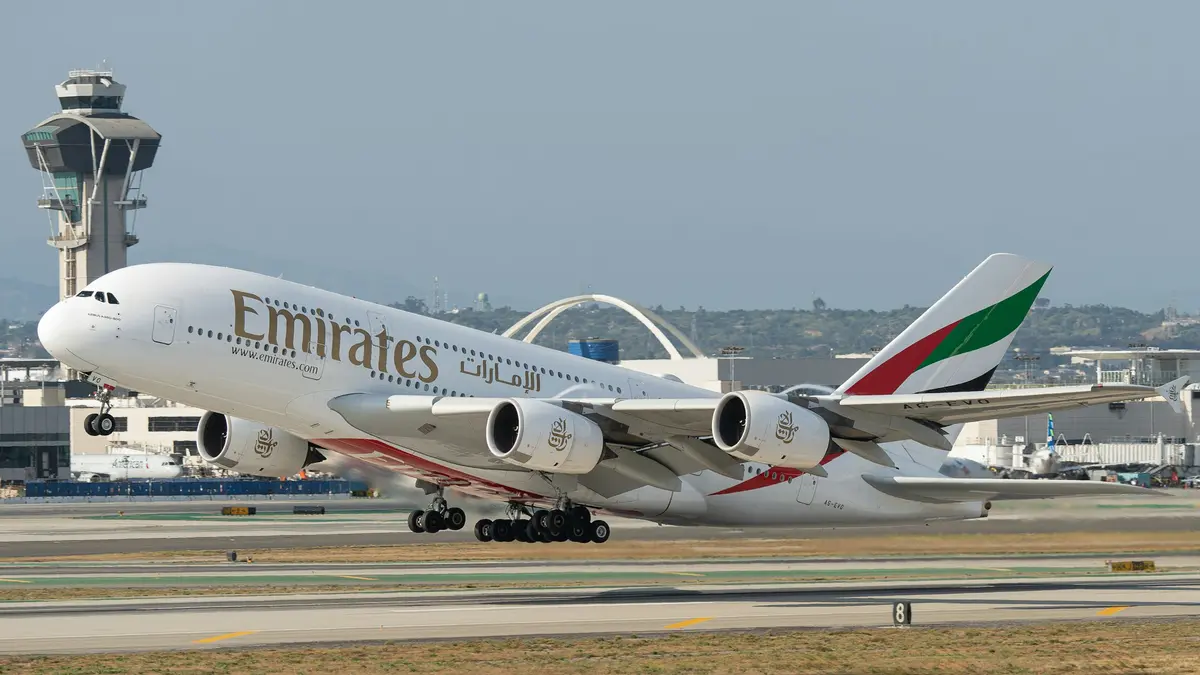
Emirates Airline reported a 66 percent plunge in net profit for the first half of its fiscal year, driven by aviation disruptions and surging fuel costs resulting from the conflict with Iran. Net profit totaled 3.3 billion dirhams, approximately 903 million US dollars, for the six months ending September 30. Revenues declined by 13 percent to roughly 15.5 billion dollars.
The carrier transported 21.8 million passengers during this period, marking a 22 percent decrease compared to the same timeframe last year. Average seat occupancy dropped from 79.5 percent to 72 percent. The war led to repeated airspace closures, flight cancellations, and reroutings, while travel advisories weighed heavily on overall demand and travel itineraries.
Alongside the decline in passenger traffic, Emirates fuel costs before hedging gains surged by 60 percent. The company's hedging transactions against price volatility mitigated the net increase in fuel expenses to 13 percent. Fuel remained the airline's largest expenditure component, accounting for 34 percent of operational outlays.
Conversely, cargo division revenues jumped by 52 percent, even though cargo volume dropped by 1 percent. According to the company, maritime transportation disruptions pushed customers to seek air alternatives, while regional fighting constrained overall air freight capacity.
By the end of September, Emirates had resumed 91 percent of its pre-disruption route network. Group Chairman and Chief Executive, Sheikh Ahmed bin Saeed Al Maktoum, stated: "We are entering the second half of the 2026-2027 fiscal year with measured optimism."