Eilat Earthquake Exposes Unresolved Seismic Vulnerabilities Nationwide
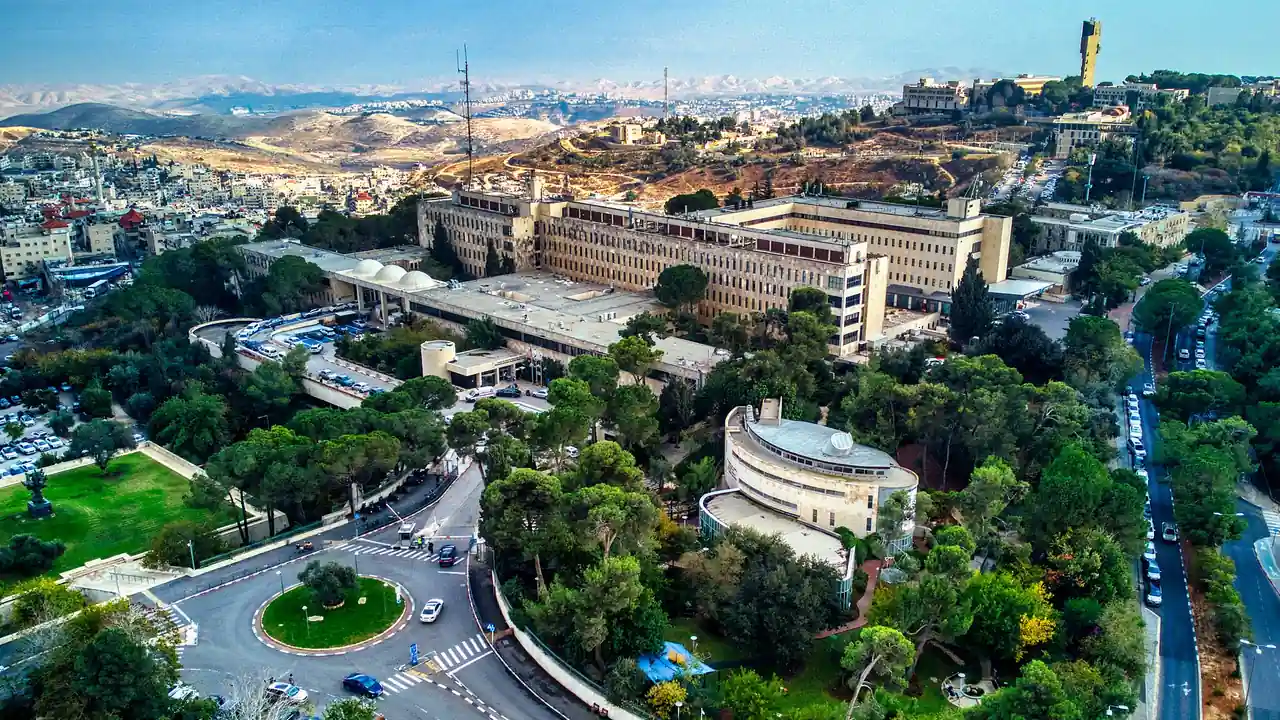
Recent tremors in Eilat highlight severe structural vulnerabilities from a state report, noting 60 percent of hospitals lack earthquake protection and northern cities lag in upgrades.
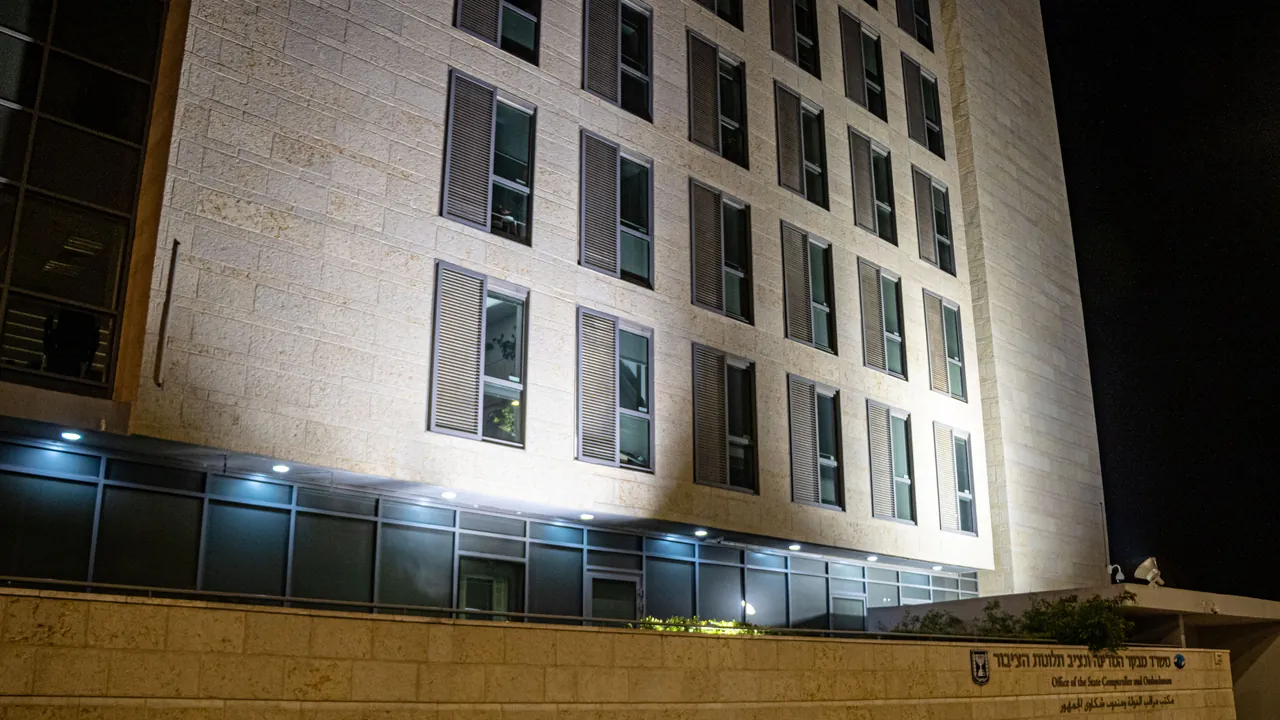
Recent seismic activity in Eilat has highlighted critical structural vulnerabilities across the country, underscoring unaddressed findings from the State Comptroller's report released in January. While Wednesday's earthquake caused minimal damage, experts warn that the outcome could have been far graver.
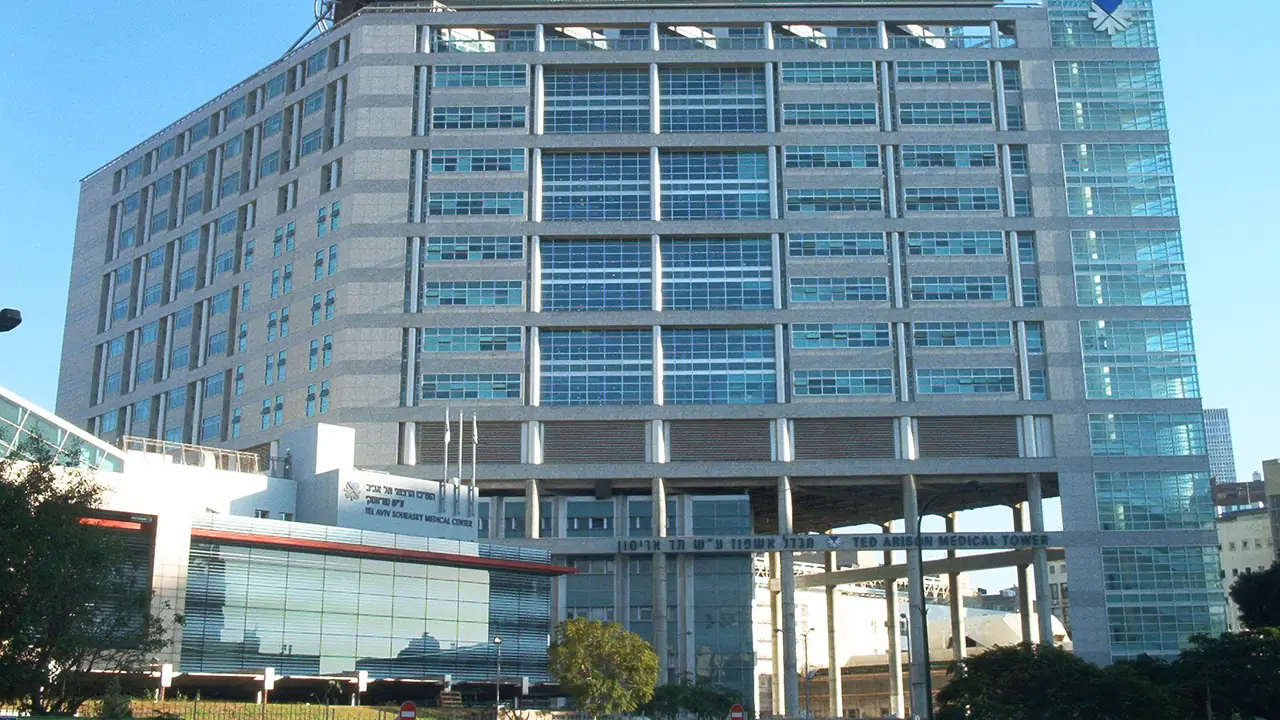
According to the comptroller's findings, 60 percent of hospitals remained structurally unprotected against earthquakes as of 2022. Furthermore, the national urban renewal framework known as TAMA 38 has fallen significantly short of its primary goals, with only 3.6 percent of buildings nationwide requiring seismic reinforcement having been strengthened by the completion of the audit.
Financial preparedness against natural disasters also lags behind international standards. Public and private insurance coverage for economic damages from natural disasters stands at 44 percent in Israel. This compares unfavorably with other developed nations, such as New Zealand at 77 percent, the United Kingdom at 75 percent, and Belgium at 73 percent.
A previous report published in March 2023 assessed local authorities' emergency preparedness and revealed severe delays in northern municipalities. In Beit Shean, Tiberias, Safed, Kiryat Shmona, and Hatzor Haglilit, 1,124 buildings—representing 93 percent of structures designated for reinforcement—remained unstrengthened. Additionally, approximately 70 percent of schools identified as vulnerable had not received necessary seismic upgrades, leaving 38 out of 54 targeted educational facilities unreinforced.