Egged Reveals Transit Trends: Tel Aviv Dominates Planning While Periphery Commutes 2.3 Times Farther
Egged data marking one year of its egg app reveals Tel Aviv leads national transit planning, while peripheral commuters travel 2.3 times further. The ad-free platform reached 819,000 downloads and 250,000 active monthly users.
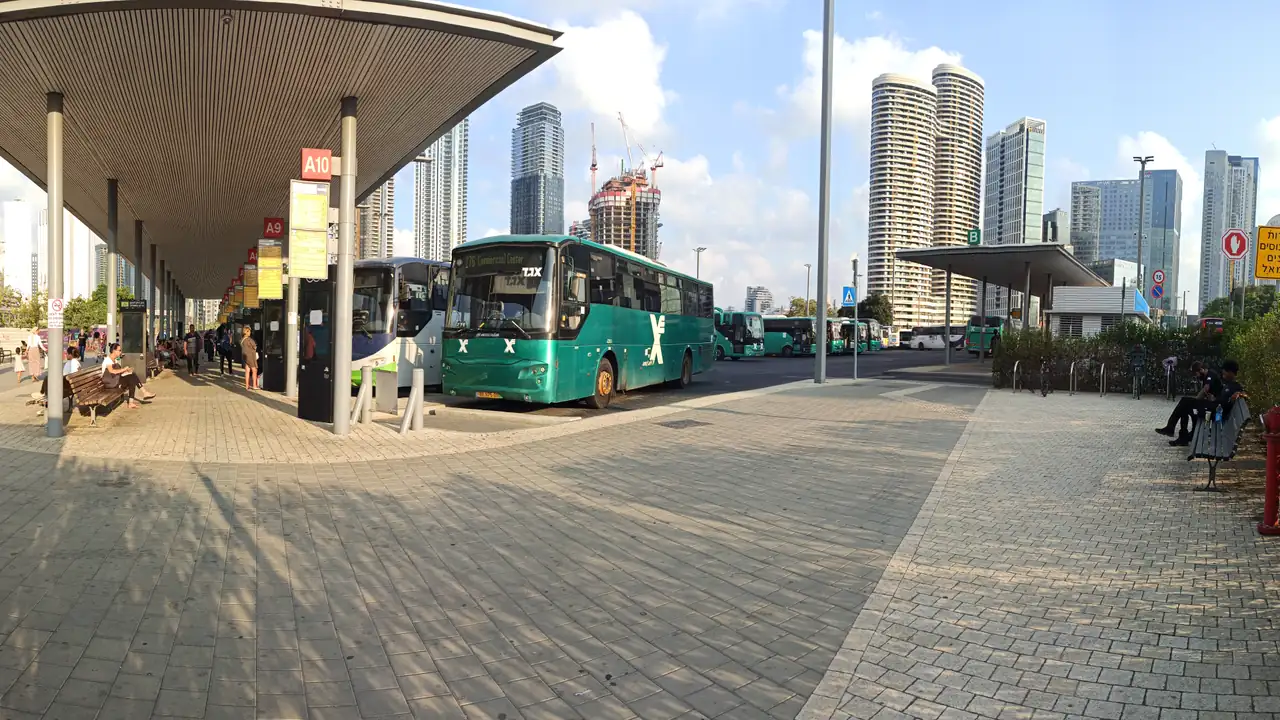
Egged Transportation has released comprehensive data from its public transit navigation application, egg, marking its first year of operation. The figures reveal deep insights into commuting patterns across Israel, highlighting Tel Aviv as the undisputed center of public transit gravity alongside distinct behavioral divides between central metropolitan areas and the periphery.
Metropolitan Dominance and Core Commuting Routes
Tel Aviv serves as the primary hub for public transit activity in Israel, accounting for 19 percent of all route planning origins and 18.7 percent of destinations, despite its residents comprising only about 5 percent of the national population. Jerusalem follows in second place with approximately 11 percent of route planning for both origins and destinations, trailed by Haifa at 5 percent, Ramat Gan and Petah Tikva at 4 percent each, Rishon LeZion at 3.4 percent, and Beersheba at 2.4 percent. Altogether, roughly one-third of all route planning sessions originate from the six core Gush Dan municipalities of Tel Aviv, Ramat Gan, Givatayim, Holon, Bat Yam, and Bnei Brak.
The single most requested route in the country connects Ramat Gan to Tel Aviv, followed by Petah Tikva-Tel Aviv and Jerusalem-Tel Aviv. In Ramat Gan, 40.7 percent of trip planning relates to Tel Aviv, compared to just 13.9 percent for intra-city transit. Conversely, in Tel Aviv, 37.4 percent of related trip planning involves internal city travel, with HaShalom railway station acting as the primary urban destination and the route connecting it to Dizengoff Center standing as the most popular local journey. In Jerusalem, over half of all trip planning is internal, with the Central Bus Station capturing 32.3 percent of local destinations followed by Yitzhak Navon railway station at 22.6 percent. In Haifa, 47.1 percent of trip planning is internal, led by the HaMifrats Central railway station, Hof HaCarmel, and the Bay Central Bus Station.
Center Versus Periphery and Peak Hours
Significant structural differences emerge when comparing central commuters with those in peripheral regions. App users in the central region average 28.4 route planning sessions per month, compared to 24.4 in the North and 22.3 in the South. However, the average travel distance in the center is a mere 12 kilometers, whereas peripheral commuters average 28 kilometers—2.3 times further than their central counterparts. This indicates that while regional residents in the periphery plan fewer trips, they must travel substantially greater distances to reach their destinations.
Nationwide peak transit planning occurs at 16:00, accounting for 7.2 percent of all daily route requests, with Tuesday registering as the busiest day of the week and Saturday marking the quietest. Overall, 27.5 percent of route planning takes place after 18:00, and 12.2 percent occurs over weekends. Tel Aviv records dual peaks at 08:00 and 17:00, while Jerusalem peaks at 08:00 and 16:00. In terms of actual usage, the application registered 3.4 million bus validations, 1.2 million Israel Railways validations, and approximately 750,000 light rail validations.
Market Impact and Future Outlook
Since its launch, the egg application has surpassed 819,000 downloads, maintaining approximately 250,000 active monthly users. Users have collectively generated over 18.2 million navigation queries and more than 5.2 million transit fare validations. Egg was introduced to compete against established navigation platforms such as Moovit, HopOn, and Pango, differentiating itself by offering an ad-free, complimentary service to address consumer complaints regarding advertising clutter on legacy platforms.
Egged Group CEO Gilad Riklin addressed the milestone:
"When we launched egg a year ago, we promised passengers a clean experience, free of advertisements and distractions. The data shows that the public has embraced the app: hundreds of thousands of Israelis use it every month, and not just Egged passengers, because we believe that accessible and convenient public transit benefits everyone. The insights we gather from the application help us design better services and attract more riders to public transportation."