Millions Allocated to Teacher Welfare Division Yield Inactive Band and Ceremonies
An audit reveals Israel's Ministry of Education spent millions on an educator welfare division featuring an inactive band and courtyard ceremonies, while teachers face severe burnout.
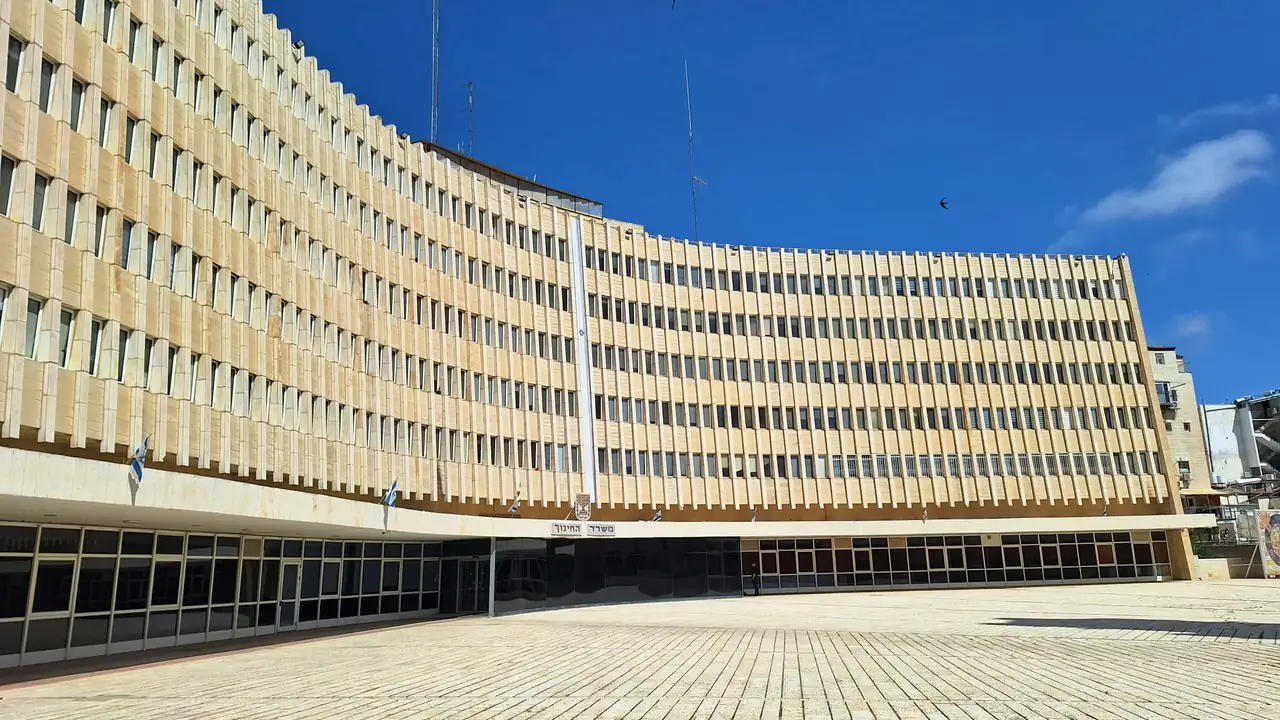
Amid a severe teacher shortage, rising professional burnout, and ongoing wartime strain across Israel's educational system, the Ministry of Education has allocated millions of shekels to a specialized division tasked with improving teacher status and welfare. However, an independent audit reveals that the Senior Division for the Status and Well-being of Educational Staff has spent much of its multi-million-shekel budget on initiatives such as an inactive music band, courtyard ceremonies, and social media video workshops.
Established in mid-2024 by Education Minister Yoav Kisch to boost the public image of the teaching profession and render the ministry a more responsive employer, the division has overseen rapidly expanding budgets. While starting with an operating budget of approximately 1.44 million shekels in 2024, funding surged to about 10 million shekels the following year, with roughly 7.8 million shekels slated for 2026, totaling more than 19 million shekels over three years.
Staffing Shortages and Limited Impact
Despite the substantial financial allocations, the division maintains a core staff of only two positions: Division Director Adi Yehalomi Moshe, who previously served as chief of staff to former ministry director-general Assaf Salant, and a supervisor for personal and professional welfare, alongside four student internships. This tiny administrative team is ostensibly expected to address the needs of roughly 230,000 educators nationwide.
Internal records indicate that the division's funded projects have yielded questionable practical results for classroom teachers. Among the highlighted initiatives was the creation of an educator music band designed to foster a sense of belonging and allow teachers to showcase musical talents. Auditions were held in March 2026 after the project was initiated in late 2025, and participating teachers were promised professional development credit. Yet, aside from a brief appearance during the previous academic year, the band has remained inactive while awaiting an external producer, leaving an allocated budget of 49,000 shekels for musical direction largely unspent.
Controversial Outlays and Public Criticism
Other criticized expenditures include an educator appreciation day held in the courtyard of the Ministry of Education, the exact cost of which the ministry refused to disclose. The event featured framed plaques awarded to three female educators who survived captivity, alongside virtual Zoom meetings between the minister and mobilized reserve-duty teachers. In 2025, the division launched the EDU-HUB application to provide employment information and professional development tools, but it recorded only around 10,000 downloads on Google (Alphabet) application stores, a fraction of the target audience.
Similarly, a student ambassador training course aimed at producing social media content to elevate the status of educators generated little more than a handful of short Instagram videos. Other minor outlays included approximately 3,500 shekels for graduation certificate folders and resilience workshops for principals in The North.
Internal critics within the ministry have voiced sharp condemnation over the spending disparity. A senior ministry official described the unit as an extraneous body with negligible influence on actual teaching staff:
"The ground is burning and teachers are frustrated, yet this division hands out certificates or spends tens of thousands of shekels on student-produced video workshops that any high school media department could execute without a budget."
The official further noted that the division maintains virtually no regular professional coordination with the ministry's human resources department, which oversees actual employment conditions, save for minor updates to memorial walls.
Educator Strain and Ministry Response
Meanwhile, official ministry data underscores pervasive distress among educators, with 31% reporting professional burnout, 49% citing excessive workloads, 24% experiencing ongoing fatigue, and 21% actively contemplating leaving the profession. Social media educator forums frequently highlight a daily struggle for survival rather than systemic support.
In response to the findings, the Ministry of Education defended the division's mandate:
"Strengthening the well-being, resilience, and status of educational staff is a profound commitment of the Ministry of Education and an essential condition for the resilience of the educational system. The division operates alongside other ministry units to develop practical tools, prevent burnout, and strengthen professional resilience."
Despite the official defense, critics maintain that the division's high-cost, low-impact programming fails to address the foundational pressures facing Israeli classrooms.