Education Ministry and RAMAH Face Deep Trust Crisis, Report Reveals
A review by Prof. Ami Moyal commissioned by Education Minister Yoav Kisch exposes a deep trust crisis between the Education Ministry and RAMAH, urging legislative independence and revised national testing frameworks.
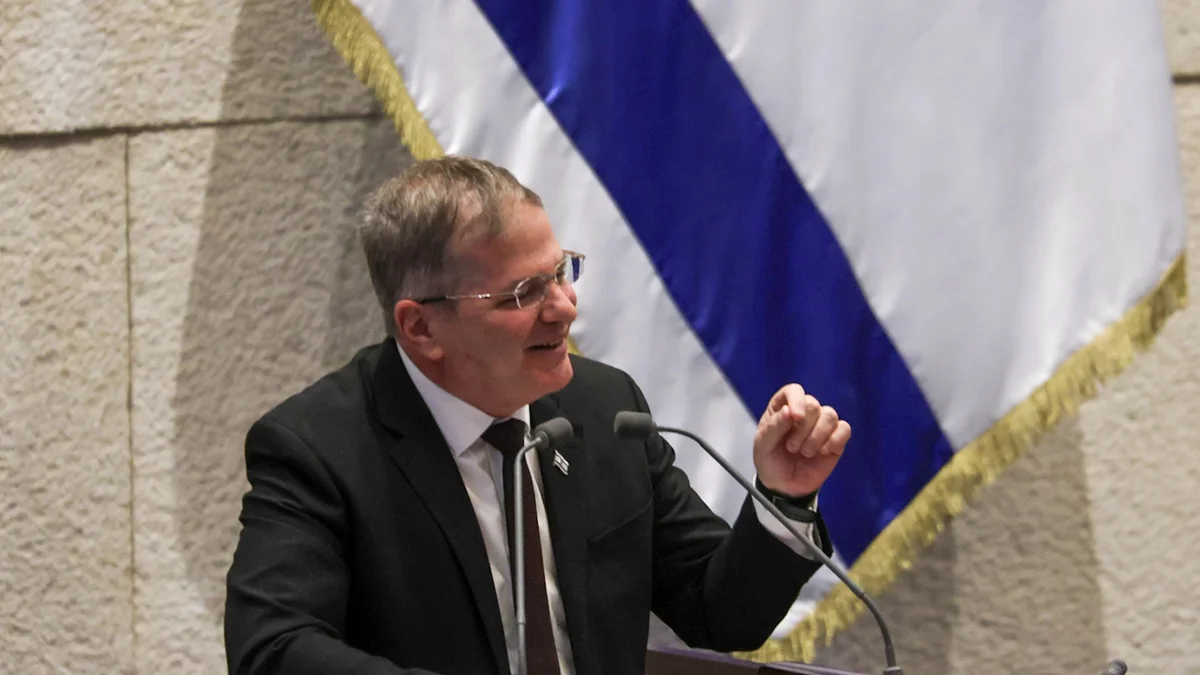
A comprehensive review conducted by Prof. Ami Moyal, commissioned by Education Minister Yoav Kisch, has revealed a profound crisis of trust between the Ministry of Education and the National Authority for Measurement and Evaluation in Education (RAMAH). The report highlights that this systemic friction undermines the effectiveness of national testing systems and impairs the ability to utilize data to improve teaching and learning outcomes across the country.
Systemic Disagreements and Managerial Friction
The review points to continuous disputes across nearly all operational stages, ranging from test development and performance level definitions to data transmission and public publication. Moyal noted that these are not isolated professional disagreements but rather a systemic failure. The accumulation of disputes over time has created an atmosphere of distrust that complicates joint work and hinders the translation of findings into actionable educational reforms.
The investigation was launched against the backdrop of a severe clash between Kisch and RAMAH Director Dr. Gal Alon. In May 2026, Kisch alleged serious professional flaws following the publication of the Tanufa (Meitzav) exams, instructing officials to disregard the data pending a comprehensive review. Kisch subsequently approached the Civil Service Commission to initiate disciplinary proceedings against Alon, though RAMAH’s advisory board rallied in defense of the director and the agency.
Methodological Debates and Testing Limitations
While validating several of the Ministry of Education's concerns regarding how achievement levels were defined, Moyal firmly rejected the retroactive alteration of cut-off points, student classifications, or methodologies used in past analyses. He agreed with the ministry that presenting only the highest performance tier as meeting curriculum requirements is pedagogically problematic, as it blurs the line between foundational mastery and advanced proficiency.
Examining specific subjects, the report revealed significant shortcomings in the English testing framework. Moyal noted that the exam focused heavily on reading comprehension with minimal writing components, while completely omitting speaking and listening comprehension. RAMAH explained that speaking skills have never been evaluated due to operational constraints, and listening comprehension was suspended similarly. Moyal recommended expanding the evaluation array to encompass all core linguistic skills.
Recommendations and Future Outlook
To resolve the ongoing structural impasse, Moyal strongly recommended enacting dedicated legislation to formally enshrine RAMAH's independence, professional autonomy, and distinct responsibilities. Furthermore, he emphasized the necessity of streamlining reporting timelines so that national data reaches schools and administrative districts within months rather than years, enabling timely pedagogical interventions.
Education Minister Yoav Kisch responded to the findings by thanking Prof. Moyal for his thorough and professional work. Kisch stated that the report validates the concerns raised by ministry professionals and affirmed that accurate measurement is vital for educational improvement. The ministry intends to study the recommendations deeply and formulate policy decisions in the coming days.