Edible Food Packaging Emerges as Sustainable Alternative to Plastic Waste
Global initiatives introduce edible packaging made from seaweed and plant waste to combat mounting plastic pollution, facing challenges in shelf life, hygiene, and cost.
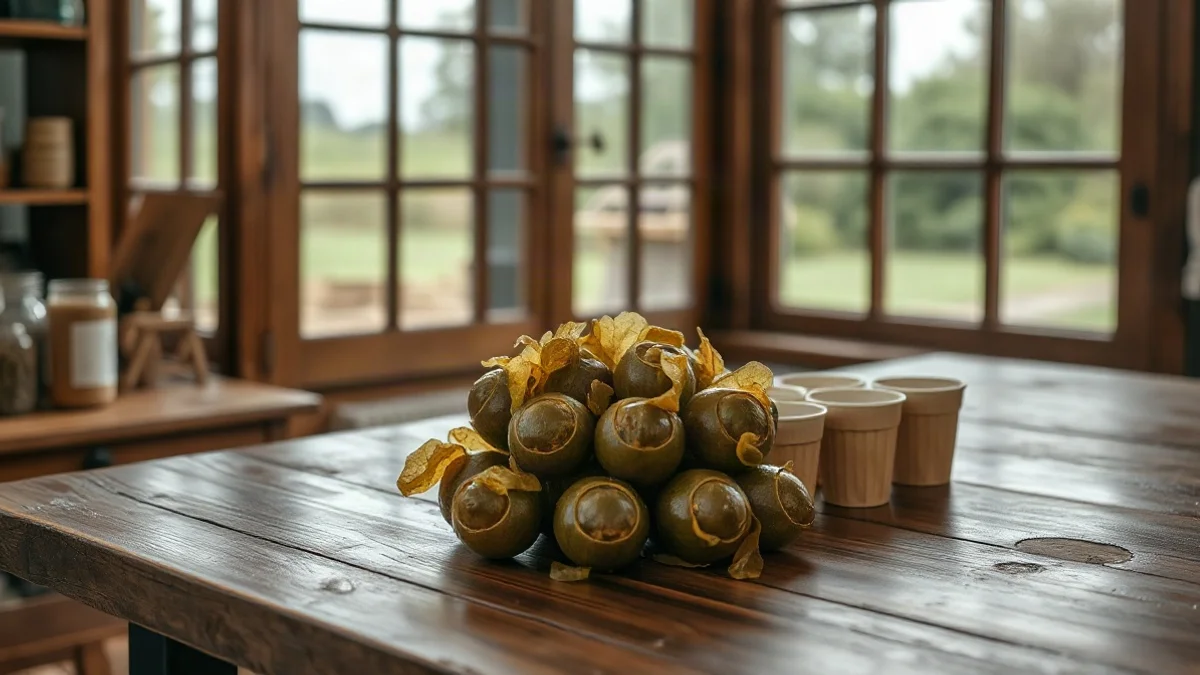
A groundbreaking environmental initiative is seeking to transform global consumption habits by introducing entirely edible food and beverage packaging designed to be consumed after use rather than discarded.
Global plastic pollution has reached unprecedented levels, driving the urgent demand for sustainable alternatives. Industry estimates indicate that worldwide packaging waste volume will reach 434.5 million tons in 2025 and surge to 525 million tons by 2030. Currently, between 30% and 40% of all globally produced plastic is dedicated exclusively to packaging.
Global plastic waste volume doubled between 2000 and 2019, with packaging accounting for approximately 40% of that total. Despite rising environmental awareness, the global plastic recycling rate stood at only 27.9% in 2024, leaving hundreds of millions of tons of waste to break down into microplastics that infiltrate ecosystems and the food supply.
Field Tests and Global Innovations
To evaluate how edible packaging functions in real-world conditions, a trial was conducted in the small British village of Novotel. Residents were invited to sample ginger juice portions from Innocent packaged inside edible seaweed pods developed by sustainable packaging firm Notpla. Roughly half of the village's 30 residents sampled the product, reporting largely positive reactions and describing the pods as pleasant and palatable.
Rodrigo Garcia Gonzalez, co-founder of Notpla, explained that seaweed offers an ideal ecological solution because it grows rapidly by up to 60 centimeters per day, requires no arable land, and decomposes in nature faster than a fallen leaf. This trial is part of a broader wave of global innovations in the edible packaging sector, a market currently valued at 1.04 billion dollars that is projected to expand to 1.84 billion dollars by 2033.
Additional developments worldwide include Cupffee, which manufactures millions of grain-based edible coffee cups that withstand temperatures up to 85 degrees Celsius, and Xampla, which produces edible pea protein wrappers for stock cubes alongside biodegradable films derived from plant waste cellulose. Beyond eliminating waste, transitioning to these materials completely prevents chemical and microplastic leakage into food.
Obstacles to Commercial Adoption
Despite promising innovations, significant obstacles hinder the widespread commercial adoption of edible packaging technology. Edible packaging is highly sensitive to temperature and humidity variations, requiring specialized transport and storage conditions while shortening product shelf life to mere days compared to weeks for traditional plastic bottles.
A complex hygienic and psychological barrier also exists, as many consumers feel reluctant to consume packaging that has passed through commercial supply chains and sat on retail store shelves. Furthermore, a substantial economic gap persists, as the traditional plastic market generates 265 billion dollars, leaving manufacturers hesitant to pay higher prices for edible alternatives.
Environmental experts caution that edible packaging alone cannot resolve the global waste crisis, emphasizing that a genuine solution requires a fundamental shift in consumer culture and a comprehensive reduction in single-use product reliance.