Diet, Soy, and Breast Cancer: Essential Guidelines for Healthy Living
Health experts outline key lifestyle factors for preventing breast cancer and reducing recurrence risks, highlighting the Mediterranean diet, physical activity, and weight management.
Preventing breast cancer and lowering the risk of recurrence relies on a comprehensive approach rather than a single miracle food. Medical experts emphasize maintaining a healthy body weight, engaging in regular physical activity, and adopting a plant-based dietary pattern.
Estimates indicate that a healthy lifestyle can help prevent numerous breast cancer cases. Body weight plays a significant role, as obesity is directly linked to hormone-positive breast cancer after menopause, driven by estrogen production in fat tissue and obesity-related inflammatory processes. Physical activity also aids recovery by reducing fatigue and improving sleep and mood for patients undergoing treatment.
The Mediterranean Diet Foundation
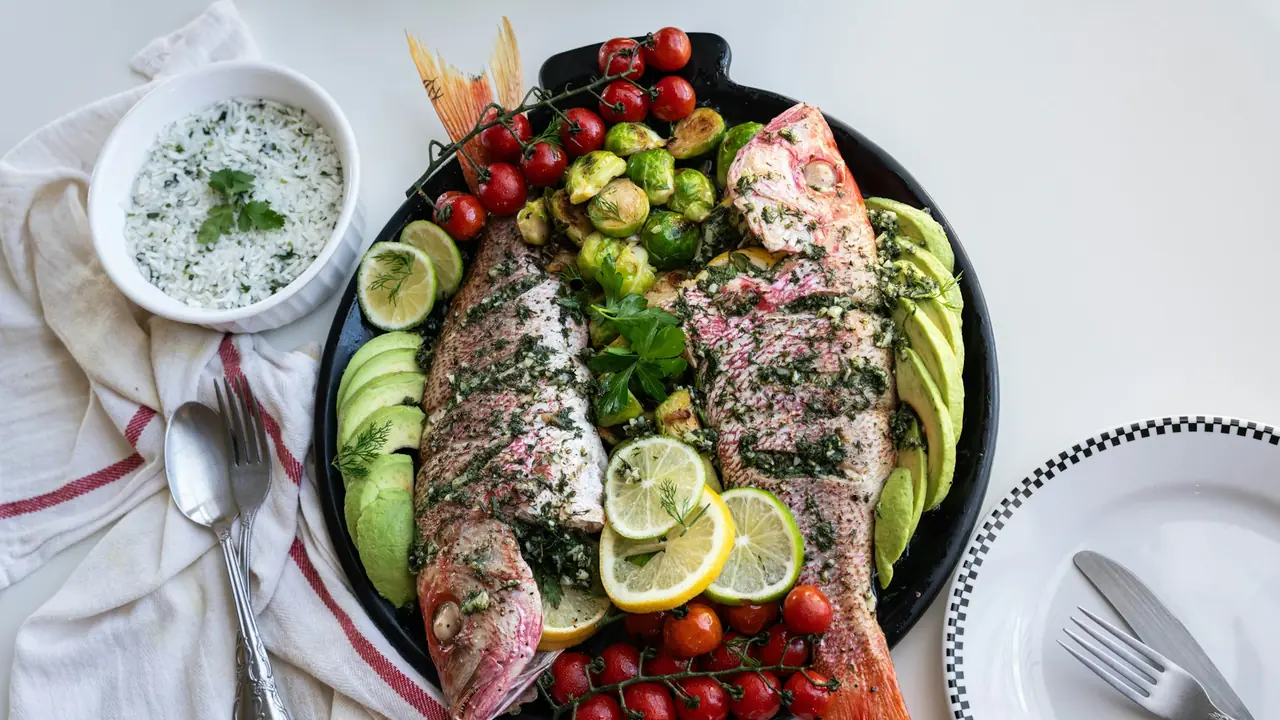
The recommended nutritional pattern focuses on the Mediterranean diet, featuring abundant plant-based foods, whole grains, and unsaturated fats, alongside lower consumption of processed foods and red meats. Dietary recommendations include a wide variety of vegetables and fruits, whole grains like brown rice, quinoa, and whole-wheat bread, legumes such as lentils, chickpeas, beans, and soy, as well as nuts, almonds, and olive oil.
Dairy products do not need to be eliminated entirely either. Moderate consumption is acceptable, with a preference for fermented items such as yogurt and buttermilk, meaning entire food groups should not be removed without justified medical or nutritional reasons.
Dispelling Myths on Soy, Sugar, and Alcohol
A common myth targets soy, particularly among women diagnosed with hormone-sensitive breast cancer. However, health guidelines confirm that even survivors of hormone-positive breast cancer can safely include soy foods in a balanced diet, such as a cup of soy milk, 100 grams of tofu, or half a cup of cooked edamame.
Regarding sugar, it does not feed cancer cells in the direct manner commonly claimed, though limiting added sugars and ultra-processed foods remains crucial to prevent weight gain and systemic inflammation. Conversely, alcohol consumption directly increases breast cancer risk, and health experts advise reducing intake as much as possible.
"There is no need to search for a single anti-cancer food or eliminate soy, dairy, or entire food groups from your daily routine," explains Limor Mardi-Tilbor, a clinical dietitian and head of the nutrition department at Assuta Medical Centers. A balanced lifestyle featuring a Mediterranean diet supports a diverse microbiome, boosts the immune system, and reduces chronic inflammation and oxidative stress both before and after illness.