Medical Experts Highlight Paradigm Shift and Weekly Insulin in Diabetes Care
Medical experts at a recent conference highlighted a paradigm shift in diabetes care, focusing on long-term health and weekly insulin treatments to improve patient quality of life.
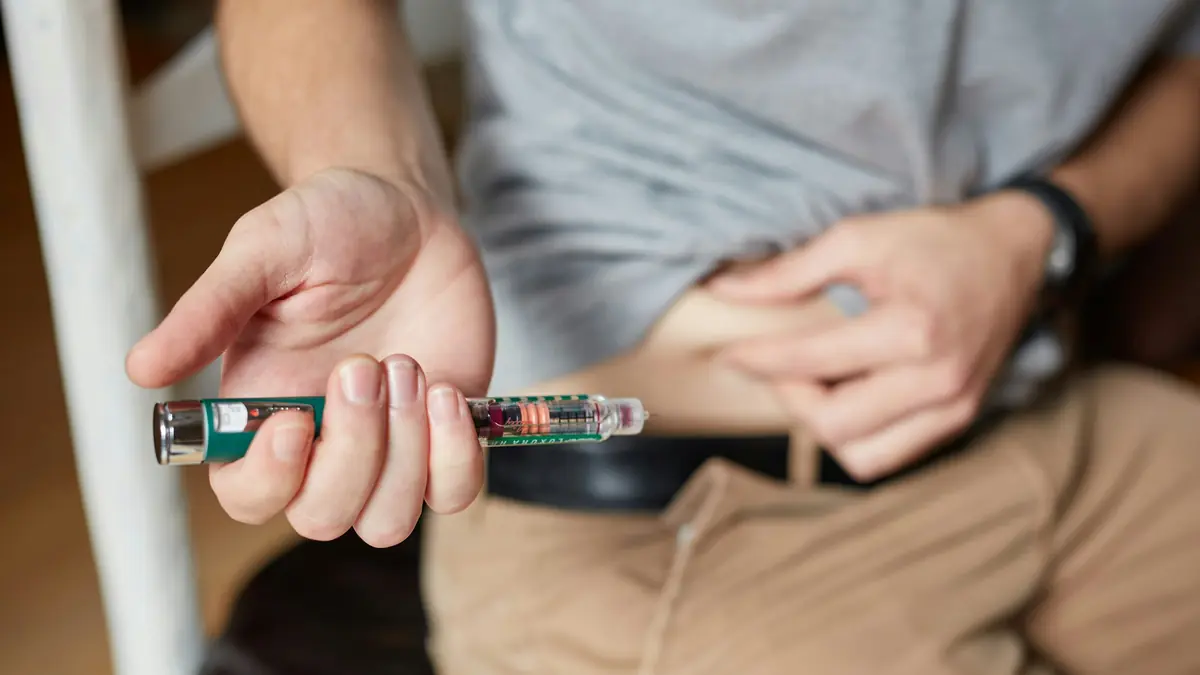
Medical experts gathered at a specialized diabetes conference to discuss a paradigm shift in patient care, emphasizing that the ultimate clinical goal extends beyond routine blood sugar regulation to ensuring patients achieve healthy, long lifespans.
A New Vision for Diabetes Care
Discussing modern therapeutic approaches, Prof. Roy Eldor, head of the Institute of Endocrinology, Metabolism and Hypertension at Ichilov Hospital, outlined an ambitious outlook for modern medicine. Joining the panel were Dr. Hadar Daskin-Biton, head of diabetes and endocrinology in the community division at Clalit Health Services, and Dr. Maya Ish-Shalom, an internal medicine and endocrinology specialist and medical director of the DMC Clinic.
"Our target in diabetes is 120. But not sugar, rather years of life," Prof. Eldor stated. He emphasized that managing the condition successfully means reaching advanced age in good health, free from strokes, heart attacks, kidney dialysis, and with unimpaired mobility and vision. According to the specialists, modern pharmaceutical advancements for type 2 diabetes have introduced revolutionary medications that actively reduce mortality, lower cardiovascular morbidity, protect renal function, and prolong patient survival.
Dr. Daskin-Biton noted that physicians now possess a robust toolkit that was unavailable a decade ago. Medications from the GLP-1 and SGLT2 families not only regulate glucose but actively prevent the onset of severe cardiovascular and renal complications, shifting clinical practice from reactive treatment to proactive prevention.
Weekly Insulin and Patient Compliance
One of the most anticipated breakthroughs discussed by the panel is the development of basal insulin treatments administered via a single weekly injection rather than daily doses. This innovation promises to alleviate the psychological and physical burdens associated with chronic self-injection, particularly for elderly patients requiring assistance or active younger individuals.
Dr. Ish-Shalom reported that clinic patients are already expressing strong demand for the weekly option, noting that some individuals previously refused to initiate daily insulin therapy due to lifestyle friction. For instance, an 85-year-old patient who continues to work and travel internationally welcomes the transition to a once-weekly regimen, which removes the constant daily reminder of physical dependence and chronic illness.
While praising the weekly innovation as a dramatic milestone, Dr. Daskin-Biton cautioned that not all type 2 diabetes patients require insulin, and weekly basal injections do not replace short-acting mealtime insulin for those who need it. Individualized treatment plans remain essential for every patient.
Technology and Lifestyle Integration
Continuous glucose monitoring technology has further transformed patient management by providing real-time data on daily glycemic fluctuations. Prof. Eldor pointed out that continuous monitors serve as a mirror for patients, and studies consistently show that immediate visual feedback helps lower overall glucose levels.
Despite advanced medications and diagnostic tools, the foundational pillar of diabetes management remains unchanged. Dr. Daskin-Biton reiterated that clinical guidelines continue to prioritize healthy lifestyles, emphasizing personalized nutrition, adequate protein intake, and resistance training alongside medical therapy. The overarching consensus of the medical panel is that modern diabetes care focuses on maximizing overall quality of life and longevity.