New Survey Finds One in Four Israeli Diabetes Patients Skips Treatment Due to Cost
A new survey reveals that 27% of diabetes patients in Israel have foregone treatment due to cost, while 76% fear future health complications and low confidence in daily management.
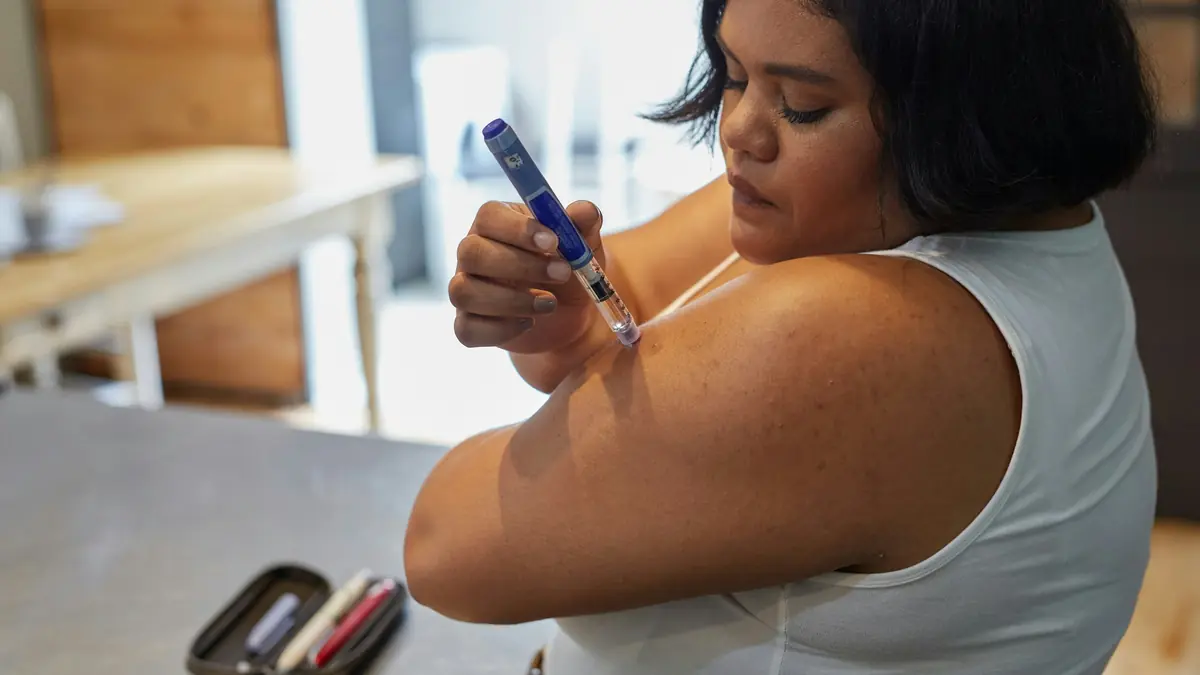
A comprehensive new survey reveals that 27 percent of diabetes patients in Israel have foregone medical treatment at least once due to financial constraints. The findings, published in connection with International Diabetes Month by Geffen Medical using Ipanel, highlight significant economic and psychological hurdles faced by patients managing the chronic condition.
Survey Findings and Patient Concerns
The survey, which sampled approximately 500 diabetes patients, indicates that three out of four respondents (76 percent) worry about potential future health complications stemming from their condition. Additionally, 57 percent reported struggling to maintain a specialized diet and regular physical activity routine. Confidence levels in daily blood sugar management also remain low, with 47 percent of patients rating their self-management confidence as moderate to low.
When asked what would improve their daily confidence, 53 percent of participants pointed to understanding how specific foods impact their glucose levels. Meanwhile, 45 percent expressed a desire to receive automated alerts regarding high or low blood sugar episodes. Despite the recognized need for advanced management tools, only 15 percent of patients reported utilizing continuous glucose monitoring sensors to track daily and nocturnal fluctuations.
Expert Perspective and Treatment Access
Official figures from the National Program for Quality Indicators in Community Healthcare for 2025 show that approximately 677,000 people live with diabetes in Israel. Professor Julio Weinstein, Vice President of the Israel Diabetes Association, founder of the diabetes unit at Wolfson Medical Center, and senior physician at DMC - Diabetes and Obesity Center, addressed the concerning statistics:
"The survey illustrates the gap between patients' fear of diabetes complications and their ability to manage the disease and receive appropriate treatment. The fact that patients are forced to forego treatment due to its cost is particularly troubling, as proper treatment and monitoring are a central part of preventing complications and maintaining quality of life."
Professor Weinstein emphasized that modern therapeutics and advanced technologies, such as continuous glucose monitoring sensors, empower patients by clarifying how meals and daily activities alter blood sugar levels throughout the day and night. He concluded that expanding accessibility to these medical solutions remains vital to ensure broader patient populations can benefit from them.