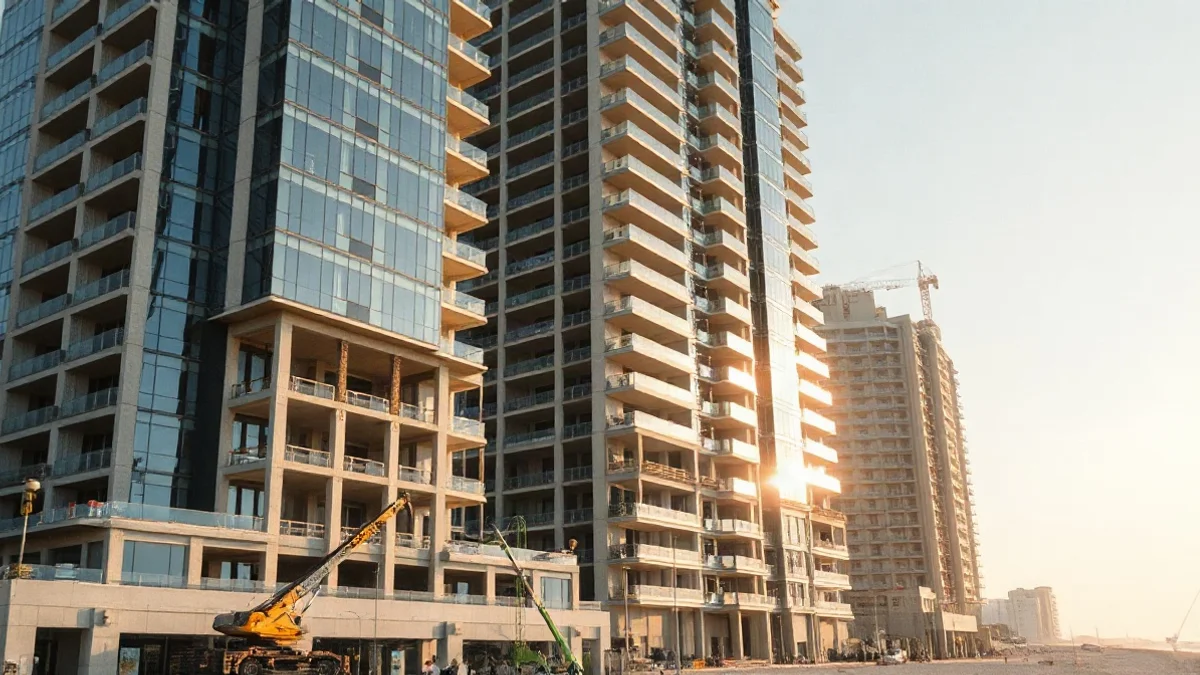
Court Orders Developers to Pay 183,000 Shekels Over Concealed Rooftop Plans
A Tel Aviv court ordered Africa Israel and Dnya Sibus to pay 183,000 shekels to three couples for concealing rooftop separation plans in Beer Yaakov, ruling they breached disclosure duties.
The Tel Aviv Magistrates' Court ordered Africa Israel and Dnya Sibus to pay compensation to three couples who purchased penthouse apartments in Beer Yaakov after concealing how the roof areas attached to their units would be separated.
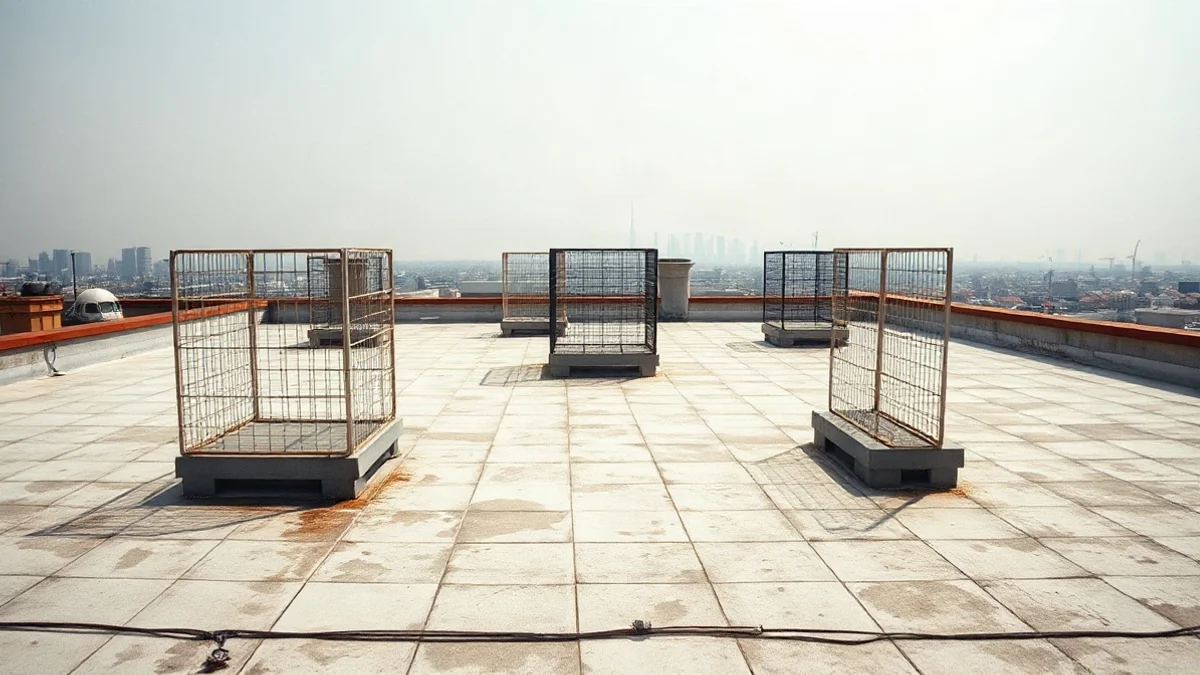
Between 2011 and 2012, six plaintiffs purchased 16th-floor apartments in the Savyoney Tel Menashe project, with each unit assigned a 105-square-meter rooftop area. Sales representatives reportedly presented the rooftops as private, distinct spaces suitable for hosting and events. However, upon delivery, buyers discovered that instead of solid walls separating the private roofs from one another and common areas, developers installed movable metal fences atop concrete blocks standing roughly 1.2 meters high. Residents also complained about ventilation pipes emitting harsh odors.
Represented by attorneys Hila Karko and Moshe Manor, the homebuyers demanded that the construction giants erect concrete walls and separate entrance doors, alongside damages for their losses. Alternatively, they sought compensation for property devaluation, bringing the initial claim to approximately 1.5 million shekels. Following a partial consent judgment addressing some remedied defects, the remaining dispute centered on apartment devaluation.
Africa Israel and Dnya Sibus, represented by attorney Maayan Sagi, argued that purchase agreements and technical specifications contained no commitment to build partition walls. They maintained that buyers received precisely what was agreed: attached rooftop areas rather than roof terraces. Judge Ehud Schwartz rejected the demand for concrete walls but upheld the buyers' claim regarding breach of the duty of disclosure. He ruled that buyers had reasonable grounds to believe, based on sales presentations, that private usage requiring proper separation would be possible.
A significant turning point occurred during testimony from the project architect, who confirmed under cross-examination that as early as 2008—three years before the sales—the companies knew separation would consist of fences on concrete blocks. The architect testified that the roof was never designed for exclusive private use. The judge ruled that the companies were obligated to disclose the approved fencing plan rather than merely detailing what would not be built, labeling the omission a failure of disclosure during negotiations. Nevertheless, the court found no intentional deceit and noted buyers were legally represented.
Ultimately, the court ordered the companies to pay each couple 38,000 shekels for depreciation, 15,000 shekels for mental distress, and 8,000 shekels for legal expenses. Jointly and severally, the developers were ordered to pay a total of 183,000 shekels to the three couples, plus linkage and interest.