Behind the Israel-Greece deal: The Turkish connection and the historic move
The 3.5 billion euro contract for the deployment of Israeli air defense systems in Greece marks a qualitative leap in the partnership. The goal is to build a regional security network against Ankara's policy.
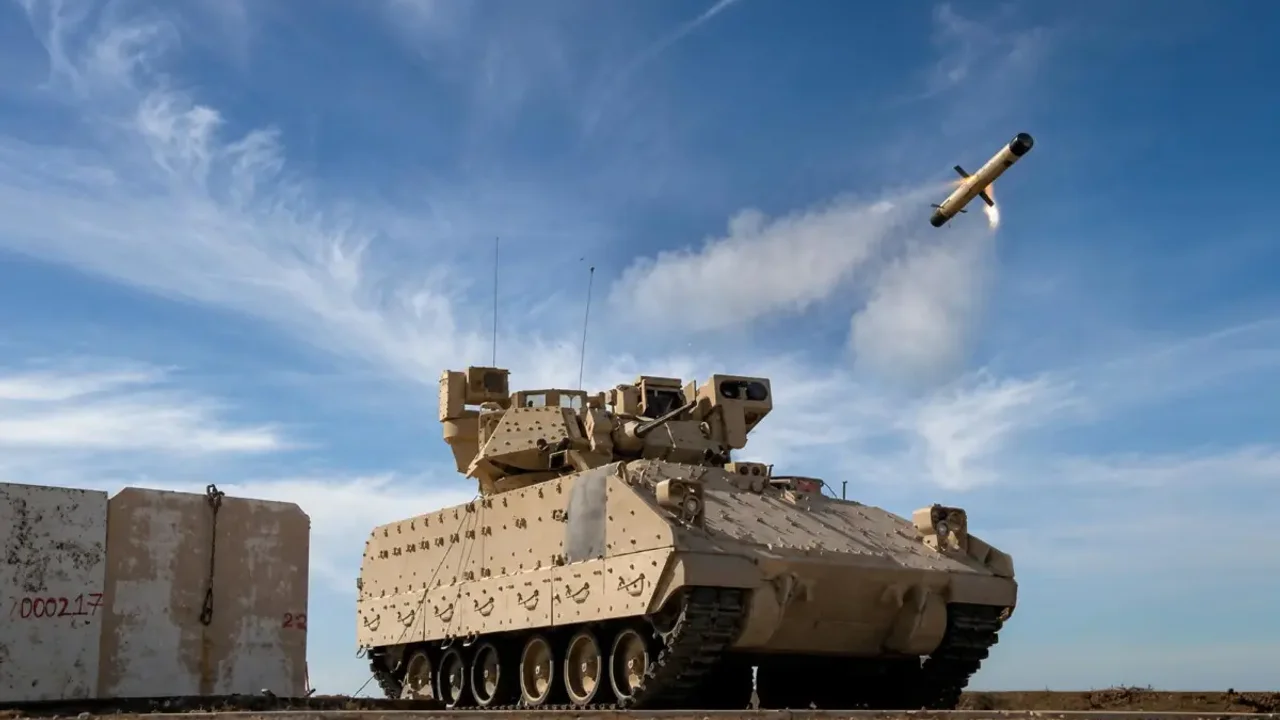
The growth rate of Israeli defense exports to Europe is breaking records, but the new deal with Greece, worth 3.5 billion euros, marks a qualitative leap of a different kind. While the Arrow 3 deal with Germany was perceived primarily as a response to the war in Ukraine, the new contract with Athens carries direct strategic weight for Israel: building a joint regional deterrence system against Turkey. Greece will purchase a multi-layered air defense system from Israel: Rafael's David's Sling in the upper tier, IAI's Barak MX in the middle tier, and Rafael's Spyder in the lower tier.
Ankara, under President Recep Tayyip Erdogan, threatens Greece no less than it threatens Israel, and thus a tripartite alliance is being formed, which is also tightening with Cyprus.
Greece's challenge and the deterrence solution
Turkey and Greece, although NATO members, have chronic tensions regarding the borders of economic waters in the eastern Mediterranean and the Aegean Sea. Since 1995, the threat of the Turkish "Casus Belli" law has hung over relations, according to which if Greece expands its territorial waters in the Aegean Sea by more than six nautical miles, Ankara will consider this step a cause for war. This year, the trend intensified with Turkey's promotion of the "Blue Homeland" doctrine, under which Ankara seeks to impose 12 nautical miles of Turkish waters at the expense of Greek territories.
A senior Greek official told Globes that the assessment in Athens is that the Turkish government has not abandoned the idea, but has postponed it until after the US midterm elections. "It is a worrying step," the official admits.
Strategic implications of the deal
-
Stopping Turkey: Deploying an air defense wall that will make it difficult for Ankara to conquer Greek islands.
-
Strategic axis: Strengthening defense relations between Israel, Greece, and Cyprus against Erdogan.
-
Greek deterrence: Athens is creating a strong military backbone to negotiate from a position of strength.
-
Freedom of navigation: Protecting energy infrastructure, communication cables, and economic waters in the Mediterranean.
Turkish policy indirectly harms Israel as well. About a year ago, the Greeks decided to ignore Ankara's threats and declare a closed maritime zone in the area of the islands of Kasos and Karpathos to begin laying a cable intended to connect the Israeli power grid to Europe. An Italian ship had already arrived at the laying site but was repeatedly pushed away because the Turks threatened to cut the cables.
Now, the Turks have declared a closed maritime zone for seismic research being conducted north of Cyprus. The goal: laying a natural gas pipeline between Turkey and the Turkish Republic of Northern Cyprus (TRNC), a puppet entity whose independence only Ankara recognizes. The move illustrates how much Turkish power projection is approaching Israel.
"Turkey is eight times larger than us," said Greek Prime Minister Kyriakos Mitsotakis in an interview after the Greek National Security Council's decision to approve the deal. "We are ready to discuss a realistic solution to issues such as the exclusive economic zone, but I will never be ready to conduct diplomacy from a position of weakness. I want Greece to always possess a strong deterrence capability."