Daily Weight-Loss Pill Shows Promise as Alternative Treatment for Sleep Apnea
A new daily weight-loss pill significantly reduces sleep apnea episodes and improves cardiovascular health, offering a promising alternative for patients struggling with CPAP masks.
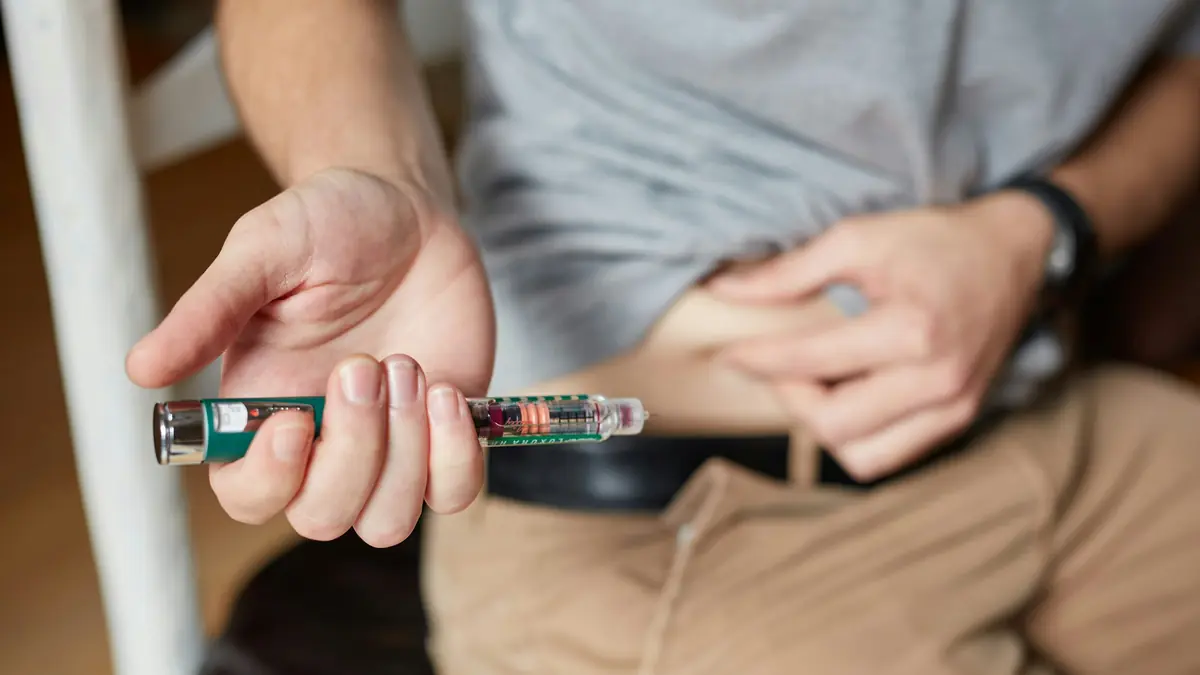
A new daily oral medication could soon offer a more convenient alternative to bulky CPAP machines for millions of people suffering from obstructive sleep apnea (OSA). Recent research presented at the American Heart Association conference shows that a once-daily weight-loss pill significantly reduces nighttime breathing disruptions and improves key cardiovascular health markers.
The international study included two clinical trials involving 712 adults with moderate-to-severe sleep apnea who were also overweight or obese. Participants were randomly assigned to receive the medication, called orforglipron, or a placebo. After one year, results indicated that those taking the drug experienced an average reduction of roughly 18 breathing interruptions per hour, compared to just five fewer interruptions in the placebo group.
Beyond improving breathing, participants in the treatment group showed substantial gains in other health metrics. They experienced up to a 51 percent decrease in dangerous blood oxygen drops during sleep, an average 11 percent reduction in body weight, and an approximate seven-point drop in blood pressure. By comparison, CPAP usage typically yields about a three-point drop in blood pressure, highlighting the treatment's positive cardiovascular impact.
Researchers emphasize that the pill is not intended to completely replace CPAP therapy, which remains the clinical gold standard. However, it provides a promising alternative for patients who struggle to adapt to the mask, given that nearly half of users discontinue CPAP treatment due to discomfort. The most common side effects of the medication were mild to moderate, including nausea, diarrhea, and constipation, consistent with other GLP-1 receptor agonists.
Lead investigator Dr. Vaishnavi Kundel noted that if approved for sleep apnea, the oral treatment could become a viable therapeutic option for overweight or obese individuals suffering from the condition, potentially protecting heart health and lowering the risk of cardiovascular disease and stroke associated with untreated sleep apnea.