National Security Conference: Key Statements from Israeli Political Leaders
At a conference hosted by ynet and Yedioth Ahronoth in collaboration with INSS, leading Israeli figures discussed strategic security issues and the upcoming election agenda. Gadi Eizenkot asserted his bid for Prime Minister, Naftali Bennett accused Qatar of funding Iran, and Avigdor Lieberman warned of the economic consequences of failing to pass an equal conscription law.
The National Security Conference, hosted by ynet and Yedioth Ahronoth in collaboration with the Institute for National Security Studies (INSS), brought together key figures from the security, military, and political spheres. Discussions focused on central security issues as Israel approaches a stormy election campaign following nearly three years of war on seven fronts.
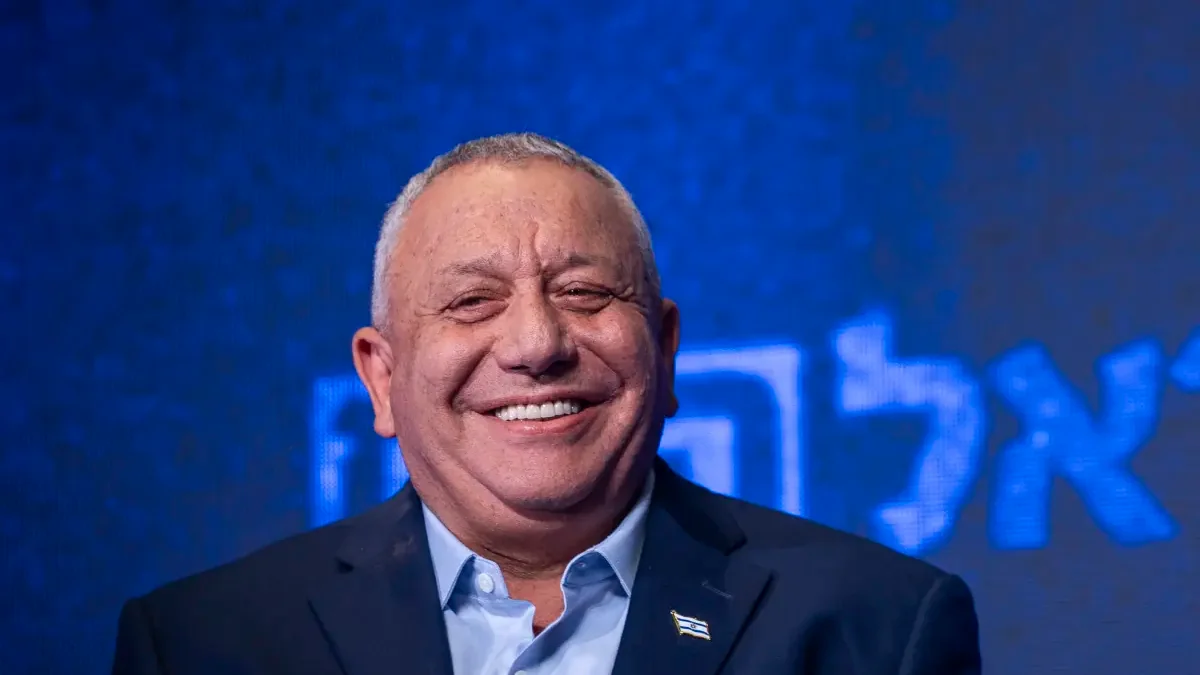
Gadi Eizenkot, former IDF Chief of Staff and a central candidate for Prime Minister, addressed his government-forming intentions: "I am fighting for a Zionist majority of 63-64 mandates. If that fails, I will call on other parties to accept three conditions. The ultra-Orthodox parties must understand the gravity of the hour, or we should go to further elections." Eizenkot also reiterated his stance that the leader of the largest party in the bloc should be the candidate for Prime Minister.
Naftali Bennett, former Prime Minister and chairman of the Beyachad party, stated that if elected, he would declare Qatar an enemy state. He claimed that during his tenure, he received intelligence indicating that Doha funded not only Hamas but also the Revolutionary Guards in Iran. Bennett urged a strategy focused on weakening and ultimately toppling the Iranian regime, describing it as "corrupt and detached."
Minister of National Security Itamar Ben Gvir labeled US President Donald Trump "naive" regarding Iran, arguing that diplomacy is ineffective with the regime. He also claimed to have verified information that Palestinian prisoner Marwan Barghouti is attempting to influence Israeli elections by urging Arab parties to unite to improve prison conditions for terrorists.
Ra'am party chairman Mansour Abbas expressed support for a national-civil service outline for Arab youth and criticized the government for ignoring crime in the Arab sector. Meanwhile, Democrats chairman Yair Golan stated that if he receives 15 mandates, he expects to serve as Minister of Defense.
Minister of Finance Bezalel Smotrich rejected accusations of settler violence, calling them an "antisemitic campaign" and a "blood libel." Avigdor Lieberman warned that without an equal conscription law including the ultra-Orthodox, direct taxes for all citizens would rise by 16%. Benny Gantz expressed confidence in his party crossing the electoral threshold and called for the formation of a unity government to save the country.