Why the Clothes Dryer Ranks Among the Most Energy-Hungry Household Appliances
Clothes dryers are among the highest energy consumers in the home. Understanding appliance technologies, such as heat pumps versus heating elements, and adopting efficient laundry habits can significantly lower household electricity bills.
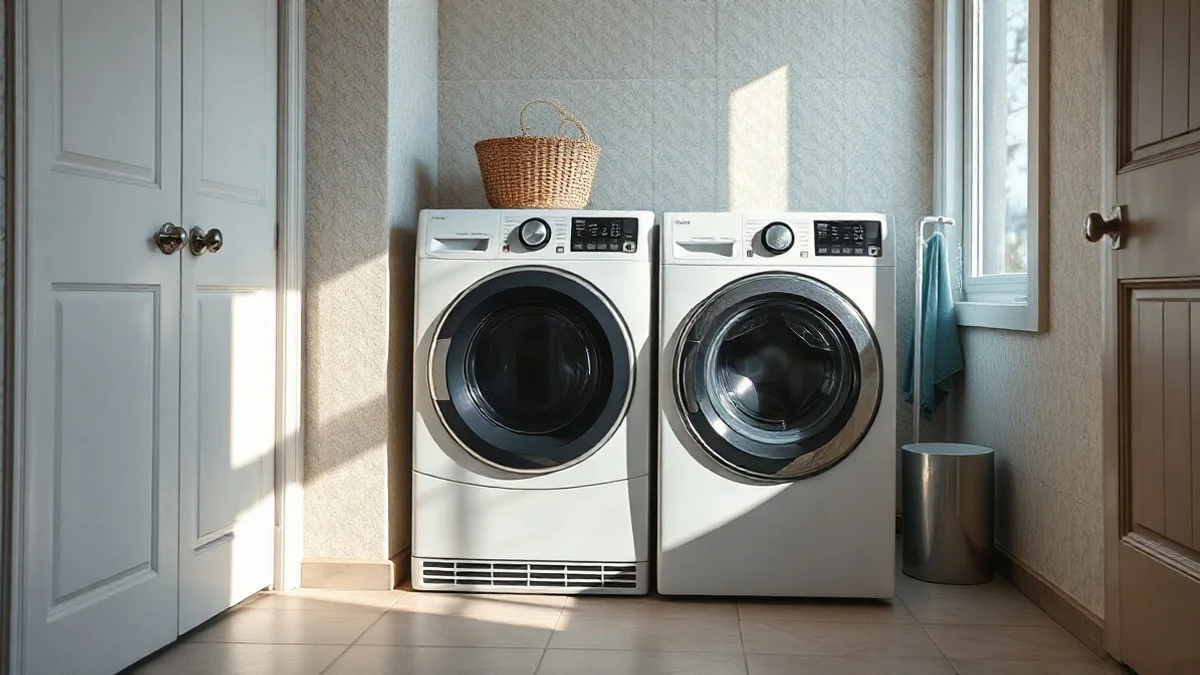
As winter arrives and laundry piles up across households, the clothes dryer becomes one of the most frequently used appliances in the home. While appliances like the refrigerator operate continuously around the clock, standard clothes dryers draw substantial energy to heat incoming air and extract moisture from heavy fabrics. Consequently, despite running only a few times a week, a conventional dryer can emerge as a major electricity consumer in the household.
Comparing Energy Consumption and Appliance Efficiency
A historical report published by the Natural Resources Defense Council (NRDC) estimated that a typical electric dryer could consume an annual amount of energy comparable to that of a new efficient refrigerator, a washing machine, and a dishwasher combined. However, industry experts note that this benchmark stems from a 2014 American market analysis and does not serve as a direct rating for modern appliances currently operating in local households. Actual electricity bills depend heavily on specific appliance models, core technologies, operating frequencies, and the initial moisture levels of the laundry.
Technological differences between appliances dictate overall efficiency, particularly the distinction between conventional heating elements and heat pump systems. According to the United States ENERGY STAR program, certified heat pump dryers utilize approximately 70 percent less energy than standard heating-element models. Furthermore, consumers should not rely solely on the term condenser to identify an efficient device, as condenser dryers are manufactured with both traditional heating elements and advanced heat pumps.
Practical Strategies to Lower Household Electricity Bills
Optimizing laundry routines can significantly reduce power consumption before clothes even reach the drying drum. Running washing machines at higher spin speeds, when permitted by fabric care labels, extracts more water upfront and shortens the drying cycle. Inside the dryer, utilizing moisture sensor programs rather than fixed timer settings prevents over-drying and avoids unnecessary electricity waste once garments reach the desired dryness level.
Routine maintenance also plays a critical role in preserving appliance efficiency and reducing energy waste.
- Clean the lint filter after every single cycle to maintain proper airflow and maximum drying efficiency.
- Follow manufacturer guidelines for servicing secondary components such as heat exchangers and exhaust systems.
- Match load sizes to specific program capacities rather than relying solely on the maximum weight listed on the appliance exterior.
Households planning to purchase a new appliance should carefully evaluate their usage patterns before making an investment. Consumers who run laundry cycles infrequently may not quickly recover the higher upfront cost of advanced models, whereas frequent users will find that energy-efficient heat pump technology provides substantial long-term savings.