Chinese AI Firms Race to Secure Overseas Nvidia Computing Capacity
Chinese AI firms are scrambling to secure overseas Nvidia computing power amid fears of tighter US export controls and new remote access restrictions.
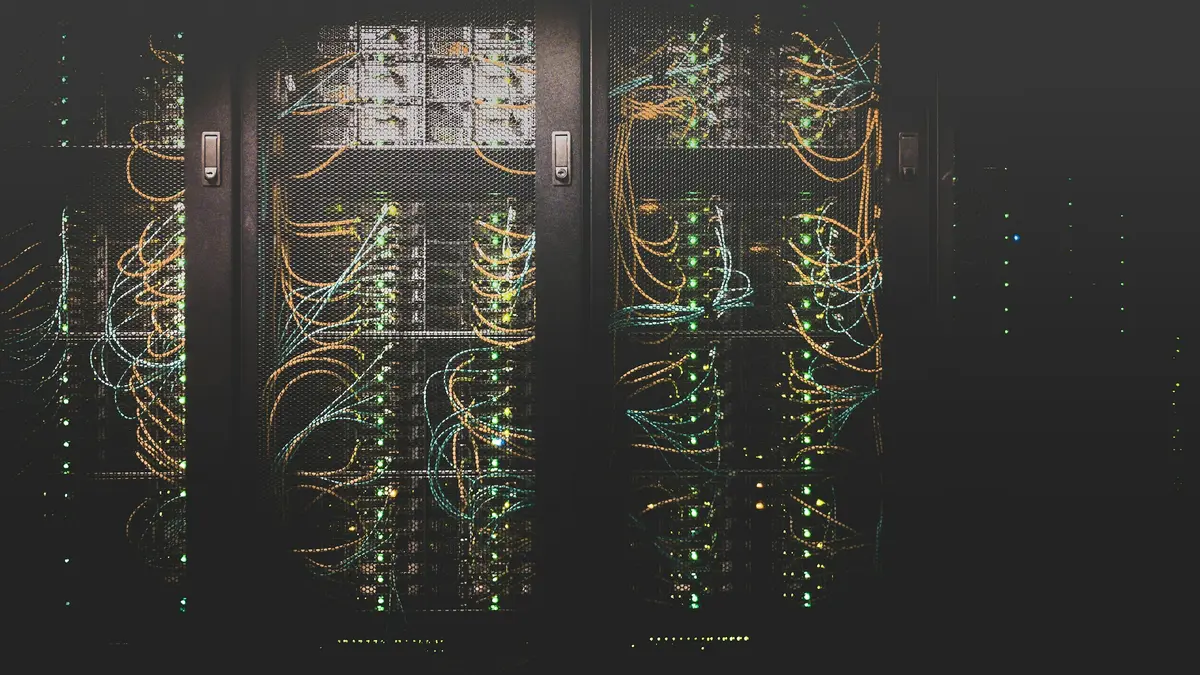
Chinese artificial intelligence firms are attempting to secure high-performance computing capacity powered by Nvidia processors in international data centers outside China. According to industry reports, a major Chinese cloud provider has examined capacity options abroad, while smaller enterprises have reached out directly to overseas data center operators. This strategic push comes amid mounting concerns that Washington will tighten restrictions on the export of advanced semiconductor technology.
These developments coincide with significant leadership changes at Nvidia. The company announced that Jensen Huang has resigned from his position as chief executive officer, with Chief Financial Officer Colette Kress stepping in as interim CEO. Meanwhile, US House Speaker Mike Johnson noted that a broader bipartisan consensus is forming in Congress to restrict microchip exports to China. Such regulatory tightening could effectively block Chinese firms from renting overseas computing power based on processors that are barred from direct import.
Legislative Hurdles and Regulatory Scrutiny
Beijing's reliance on foreign infrastructure faces heightened vulnerability due to pending legislative and regulatory measures in the United States. House committees recently invited Jensen Huang to participate in a closed briefing regarding security matters and potential ties with international technology entities. Although corporate representatives have strongly denied any security breaches or violations of export controls, lawmakers continue to push for expanded oversight.
Two major initiatives are currently advancing through the US pipeline:
-
Remote Access Security Act: This legislative proposal aims to broaden government oversight regarding remote access to restricted technologies. It previously cleared the House of Representatives by a 369-to-26 vote, though the Senate has yet to complete its legislative review.
-
Department of Commerce Regulations: Reports indicate that the US trade administration is drafting regulations to expand licensing and supervisory requirements for advanced processors across seven jurisdictions, including Singapore, Malaysia, Thailand, Indonesia, Brazil, Norway, and South Africa. These rules seek to prevent unauthorized remote access to processors deployed in these countries.
Macroeconomic Context and Domestic Infrastructure
Anna Zhou, a China and Asia economist at Bank of America, observed that Beijing and Washington had previously reached a delicate equilibrium in their technological relations. However, these ongoing regulatory moves threaten to destabilize that balance. While Taiwan and South Korea currently capture a larger share of export-driven growth from the artificial intelligence boom, Beijing is simultaneously cultivating a robust domestic investment engine aimed at upgrading local data centers and computing infrastructure.
Government funding initiatives dedicated to broader economic development have expanded significantly, incorporating digital economy and artificial intelligence projects into multi-year fiscal frameworks. Independent research from the Rhodium Group estimates that capital expenditures on artificial intelligence infrastructure in China will surge by 103% to approximately 932 billion yuan (roughly $139 billion), eventually exceeding 1.2 trillion yuan by 2027.
Market Dynamics and Long-Term Outlook
Despite aggressive domestic spending, analysts caution that artificial intelligence investments alone remain too small to offset broader macroeconomic pressures, such as weakness in the real estate sector and constrained local government financing. Nevertheless, corporate leaders view the technology sector as a high-stakes, winner-take-all environment where failing to invest on time risks permanent obsolescence.
Simultaneously, China is actively working to reduce its reliance on American hardware. Market research data from IDC indicates that Nvidia's share of microchips supplied to domestic data centers dropped from 55% in 2025 to 34% in the first half of 2026, while local competitor Huawei captured a 28% market share. Industry experts emphasize that while domestic hardware deployment is accelerating, the ultimate productivity gains across the broader macro economy will depend heavily on whether local industries can secure sufficient computing power amid tightening international trade controls.