US Retailer The Children's Place Files for Bankruptcy: Impact on Israel
American children's wear giant The Children's Place has filed for Chapter 11 bankruptcy with $881 million in debt. The local Fox Group reassures that its 30 Israeli stores operate independently with local production.
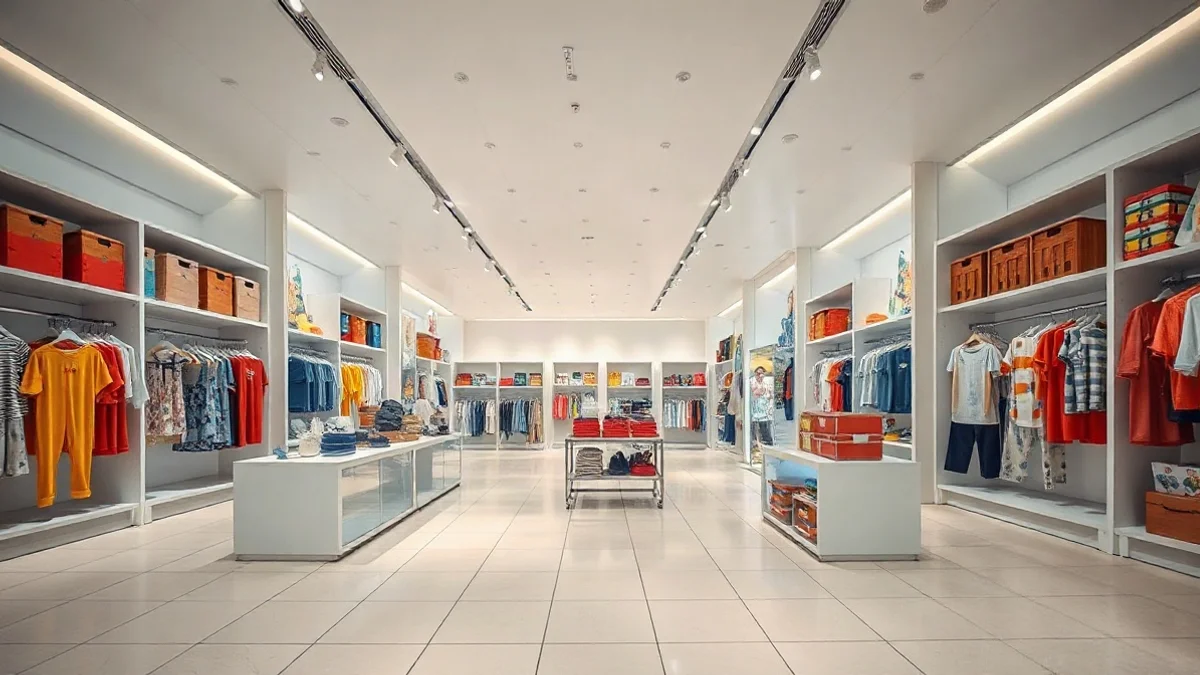
The Children's Place, the iconic American children's clothing chain founded in 1969, has filed for Chapter 11 bankruptcy protection in a New Jersey court as it searches urgently for a buyer. The company is buckling under heavy debts of approximately $881 million owed to more than 10,000 creditors, following a nearly 19% drop in third-quarter sales, rapid management changes, and a stock collapse to a historic low of about 18 cents per share. While this constitutes an earthquake in American shopping malls, the fascinating question for the local market is what this means for the brand's 30 stores in Israel and its presence on the Terminal X e-commerce platform controlled by the Fox Group.
Currently, some 30 stores operate in Israel, primarily located in leading shopping malls, alongside prominent digital visibility on Terminal X. Executives at the Fox Group, which holds the local franchise, hurried to clarify that local operations are completely disconnected from the American supply chain. In practice, it operates as an independent brand utilizing exclusive local design and production, meaning the overseas crash is not expected to harm local inventory, supply, or the daily routine of branches across the country.
Harel Wiesel's Business Dilemma
From a purely business perspective, The Children's Place and its Israeli footprint represent a relatively small operation within the broader Fox empire, which generates around 7 billion shekels annually. Fox does not publish separate financial reports or profit margins for the brand, making it difficult to gauge its exact contribution to the bottom line. Marketing expert Tamar Tzionov notes that the core question for CEO Harel Wiesel is not merely turnover, but whether the generated profit truly justifies operating costs, heavy mall rental contracts, and franchise fees.
Amid fierce competition for every square meter of retail space, the real economic question is whether it is more profitable to continue running the brand or to convert these attractive locations into stronger, more profitable banners within the group. In this sense, the American bankruptcy is not necessarily bad news for Wiesel, as it may grant him the legal and strategic justification to optimize his commercial real estate.
The Future of the American Dream in Israeli Malls
When a consumer enters a Children's Place store, they are not just buying locally manufactured children's clothing, Tzionov emphasizes. They are purchasing a recognized American brand with heritage, a clear consumer identity, and decades of reputation—the very value that justified bringing the name to Israel initially. If the international company weakens or collapses entirely, Fox will face a complex strategic challenge: maintaining relevance, differentiation, and consumer trust when the international anchor is eroding.
Fox stated in response that the Israeli network is part of the broader Fox Group, which represents dozens of international brands locally. The brand in Israel remains stable, and overseas reports should not affect local operations, pointing out that the brand's restructuring in Israel already features exclusive design and manufacturing for 100% of its collections.