Chemical Threats: Medical Effects, Antidotes, and Emergency Protocols
Renewed concerns over chemical threats highlight the medical mechanisms of nerve and pulmonary agents, emergency treatments like atropine, and safety guidelines issued by the Home Front Command.
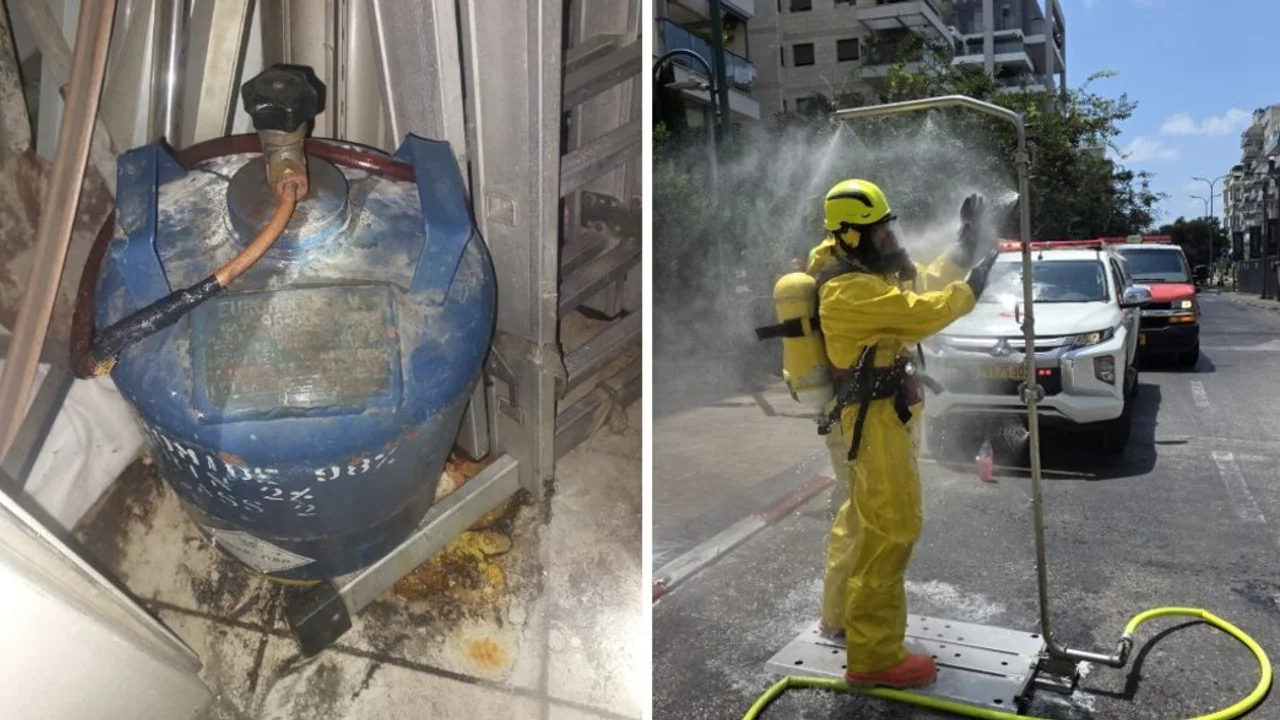
Recent discussions regarding chemical threats have revived memories of sealed rooms and emergency injectors from the 1991 Gulf War. While atropine remains a life-saving antidote against nerve agents, medical protocols for other chemical exposures focus heavily on halting contact, decontamination, and immediate respiratory support.
Physiological Effects and Targeted Treatment
Nerve agents disrupt the nervous system, triggering symptoms such as constricted pupils, excessive salivation and sweating, severe respiratory secretions, shortness of breath, and muscle spasms. Severe exposure can lead to seizures and respiratory failure. Atropine acts to reduce secretions and airway constriction, while medical teams may administer supplementary medications such as pralidoxime, manage seizures, and provide mechanical ventilation depending on the severity of the patient's condition.
In contrast, pulmonary and blistering agents require entirely different clinical interventions. Chlorine exposure causes burning eyes and throat, coughing, shortness of breath, and potentially dangerous fluid accumulation in the lungs. Sulfur mustard damages the eyes, skin, and respiratory tract, producing blisters that may only appear hours after exposure. Treatment protocols for these agents involve removing contaminated clothing, washing the skin, administering oxygen, treating burns, and providing continuous medical supervision.
Evolution of Public Defense and Medical Preparedness
Ahead of the 1991 Gulf War, the public received protective kits containing atropine injectors. A retrospective study documenting medical incidents from that conflict recorded 230 instances of unnecessary self-injection. The routine distribution of protective kits to the general population was officially halted in 2014.
Today, medical preparedness emphasizes rapid identification of the toxic agent, appropriate personal protective equipment for clinical staff, and decontamination procedures for incoming casualties. The Home Front Command advises citizens to seal doors and windows upon receiving shelter-in-place instructions during suspected emergencies.
Citizens experiencing breathing difficulties, seizures, or altered consciousness following suspected exposure are instructed to contact MDA immediately via emergency hotline 101, explicitly reporting potential chemical contact. Even individuals feeling well after verified exposure must seek medical guidance, as certain agents produce delayed symptoms. Official protective directives remain accessible through the Home Front Command via hotline 104.