Chava Alberstein at 80: The Fascinating Stories Behind Her Greatest Songs
As legendary Israeli singer Chava Alberstein celebrates her 80th birthday, we explore the fascinating stories, poets, and composers behind her most iconic musical masterpieces.
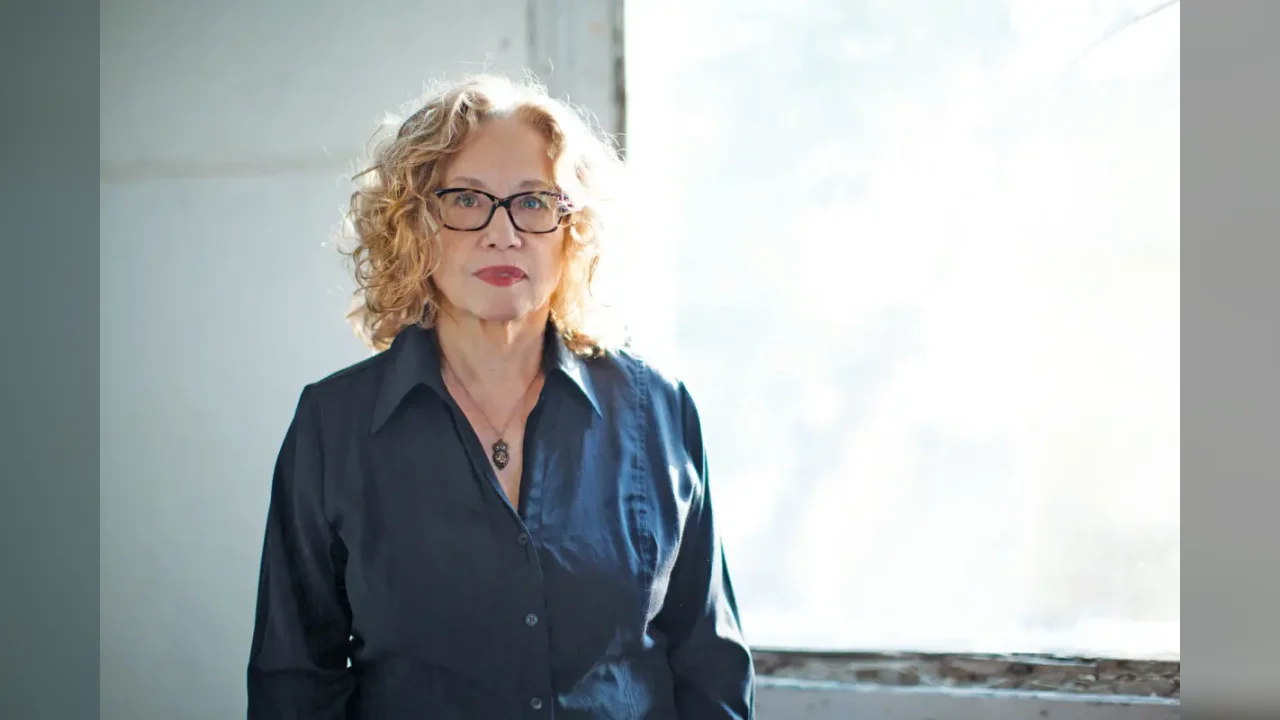
As legendary Israeli singer Chava Alberstein marks her 80th birthday, the captivating stories behind her most celebrated musical masterpieces reveal the rich tapestry of Israeli culture. From the early folk classics of the late 1960s to poignant protest anthems, Alberstein's career spans decades of artistic evolution, deep collaboration with the country's finest poets and composers, and an unwavering commitment to authentic storytelling.
The Golden Era of Folk and Poetry
The 1960s and 1970s laid the foundation for Alberstein's meteoric rise, born from unexpected encounters and creative sparks. The enduring children's classic "Machla'a Aliza" ("Cheerful Choir"), composed by Nurit Hirsch with lyrics by Leah Naor, faced initial doubt over its musical complexity. However, Hirsch famously insisted that children deserved greater credit, securing a timeless hit. Similarly, the haunting classic "MiShirei Eretz Ahavati" ("Songs of My Beloved Country"), with words by Leah Goldberg, resonated deeply with Alberstein's own biography and artistic journey.
Collaborations with literary giants and visionary composers continued to shape the national soundtrack. "Eliezer Ben-Yehuda," written by Yaron London and composed by Matti Caspi, captured the relentless zeal behind the revival of the Hebrew language. Meanwhile, the Hebrew adaptation of Georges Moustaki's "At Heruti" ("My Freedom") explored the profound paradox of surrendering personal liberty for the warmth of love, translated meticulously by Yoram Taharlev.
National Trauma and Somber Reflection
The shadow of national conflicts, particularly the Yom Kippur War, deeply influenced Alberstein's repertoire, transforming songs into emotional barometers for the entire nation. "Kmo Cemach Bar" ("Like a Wildflower"), written by Rachel Shapira and composed by Nachum Heiman, captured the profound grief and fracture left in the wake of war, though it was originally intended for a television adaptation of Naomi Frankel's novel "Dodi VeRai."
Similarly, Naomi Shemer's iconic "Lu Yehi" ("Let It Be"), written to the tune of the Beatles while bearing heavy wartime anxieties, became an eternal prayer for peace and hope. Alberstein's artistic courage also led her to reinterpret traditional liturgy into modern statements, most notably with her Hebrew adaptation of "Chad Gadya," which transformed the Passover Seder staple into a poignant commentary on cycles of violence.
Personal Milestones and Modern Duets
In later decades, Alberstein turned inward to reflect on her immigrant roots and familial bonds. The deeply personal track "Sharliyah" recalled the harsh realities of the Sha'ar HaAliyah absorption camp near Haifa, where her family arrived from Poland in 1950. The evocative blend of memories cemented her status not just as a musical icon, but as a living chronicler of the Israeli experience.
Continuing to bridge generations, Alberstein collaborated with contemporary artists well into her later career. Her 2014 duet with Shlomi Shaban, "Targil BeHitorerut" ("Exercise in Awakening"), captured surreal dialogues on love, anxiety, and moral awakening, proving her enduring relevance and artistic vitality across successive generations of Israeli music.