Change Bloc Advances Indicted Prime Minister Bill to Press Netanyahu
The Change Bloc is advancing an indicted-prime-minister bill to apply political pressure on Benjamin Netanyahu during ongoing coalition and unity discussions.

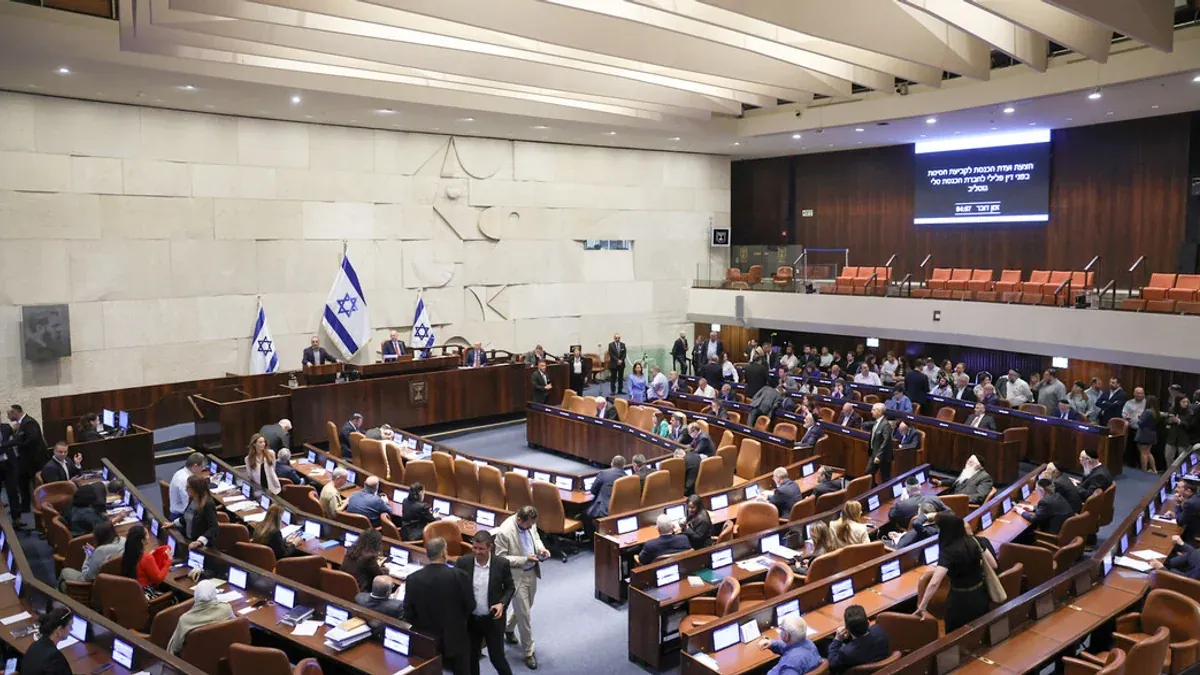
The Change Bloc plans to ratchet up political pressure on Prime Minister Benjamin Netanyahu by bringing a comprehensive "Indicted Bill" to a preliminary reading in the Knesset.
Legislative Framework and Core Prohibitions
Spearheaded by Yisrael Beytenu MK Oded Forer with the backing of Change Bloc representatives, the consolidated legislation bundles multiple legal proposals aimed at barring individuals facing criminal indictments from forming a government or running for prime minister. According to its current draft, the bill is slated to take effect starting with the next parliament.
- Term Limits: A prime minister would be prohibited from serving more than eight consecutive years, even with a hiatus of up to four years between terms.
- Mandate Restrictions: Lawmakers facing active indictments would be barred from receiving a mandate to form a government, unless granted an exception by the Chairman of the Central Elections Committee determining that the suspicions involve no moral turpitude.
- Cessation of Office: An incumbent prime minister would be forced to vacate office if indicted for an offense carrying moral turpitude.
- Incapacity Law Repeal: The legislation would repeal the recent statutory amendments that restricted the grounds for declaring an elected prime minister incapacitated.
Political Leverage and Constitutional Hurdles
While the legislation is moving forward in parallel with ongoing coalition talks regarding unity, its prospects for passing in its current form remain slim. Because the measure is widely viewed as a personalized law designed to sideline a specific political actor using a parliamentary majority, critics and analysts suggest it faces steep legislative and constitutional roadblocks.
Yisrael Beytenu leader Avigdor Lieberman reportedly views the issue as a key pressure point, utilizing the legislative push as leverage to compel Netanyahu into greater flexibility during broader political negotiations.
Constitutional law expert Prof. Adam Shinar of Reichman University noted that because the proposal alters Basic Law: The Government, it requires a stable majority of 61 lawmakers rather than a standard legislative majority. If challenged in the High Court of Justice, the justices could potentially strike down the measure as an abuse of constituent authority, or alternatively rule that it must apply only prospectively to future elections due to its personalized nature.