Call of Duty Video Game Chat Triggers Security Scare on California Flight
A FaceTime video call aboard a passenger plane in California triggered an evacuation and security scare after a gamer discussed a virtual C4 explosion from Call of Duty, prompting heightened airport alerts amid global aviation tensions.
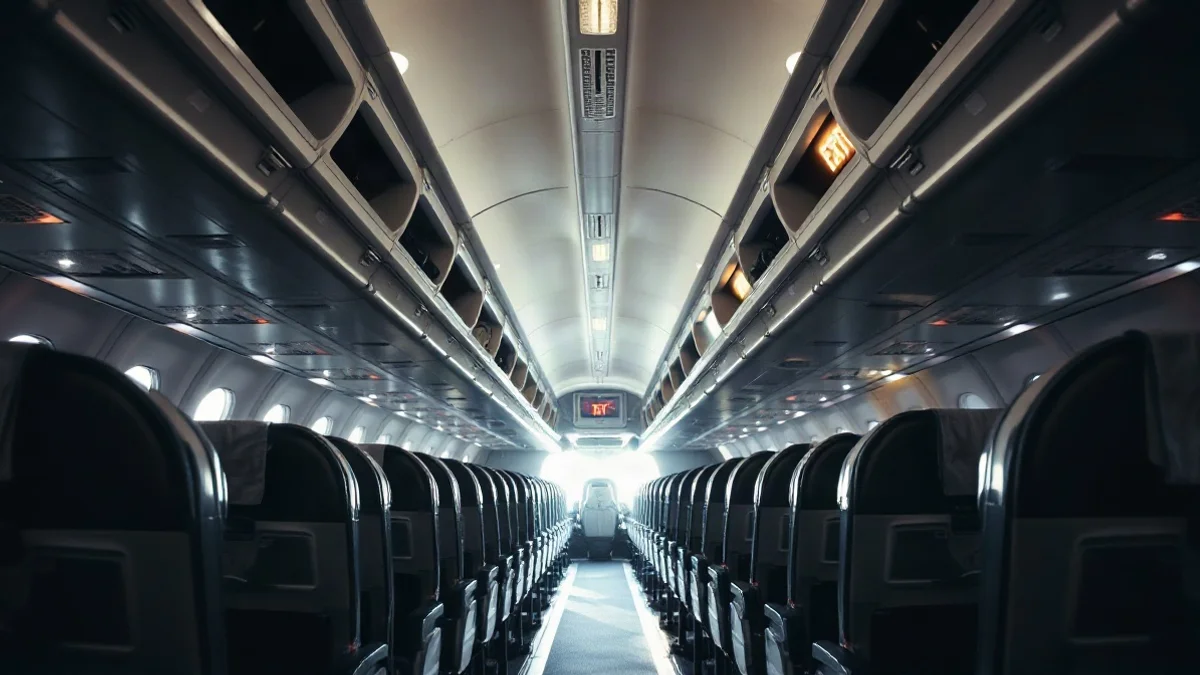
A routine video call on FaceTime aboard a passenger plane in California quickly escalated into a major security scare. A passenger waiting for a Frontier Airlines flight to take off at Ontario International Airport in the southern part of the state was chatting with a friend who was playing the popular video game Call of Duty. However, remarks overheard by nearby passengers triggered an immediate halt to the departure, the evacuation of the aircraft and an entire terminal wing, and the swift detention of the young traveler.
The incident began when the passenger's friend, participating in an online combat match, was virtually eliminated following the explosion of a C4 explosive device within the game. The passenger on the plane reacted aloud to the gaming action, uttering phrases that included the words "bomb" and "explosion." An alarmed traveler seated nearby claimed to have heard him state that he possessed a bomb inside his backpack. Without verifying the context, the alarmed passenger alerted the flight crew, who promptly activated heightened security protocols.
The response at the airport was immediate and extensive. Passengers were urgently disembarked, while police officers completely evacuated the entire eastern wing of Terminal 2. Fire departments, bomb squads, and K-9 units rushed to the scene to conduct a comprehensive sweep of the cabin, cargo holds, and the surrounding tarmac. Officers detained the gamer for questioning, confiscated his backpack—the only luggage he carried—and isolated it for thorough inspection.
During questioning, the passenger explained to investigators that he had no intention of making a real threat, but was merely reacting to his friend's defeat in the video game. To verify the account, investigators called the friend directly, who corroborated the gaming details and explained the context of the virtual C4 explosion. After bomb disposal teams and sniffer dogs ruled out the presence of any explosives and determined no criminal offense had occurred, authorities lifted the alert. Passengers, including the detained traveler, were allowed to reboard the aircraft, and the flight eventually departed for its destination.
The immediate panic among the flight crew and passengers reflects extreme security tensions in global aviation. Just recently, the United States military was forced to relocate refueling aircraft and strategic bombers from British Royal Air Force bases Mildenhall and Fairford following concrete threats from Iran and the Islamic Revolutionary Guard Corps. Concurrently, a wave of false bomb threats targeting at least 25 passenger flights across Europe prompted fighter jets to scramble emergency escorts and forced emergency landings.
The reality in which airports and security forces operate under constant alert turns every word spoken inside an aircraft cabin into a matter of public safety. Although the incident in California concluded without injuries, it caused flight delays, distress for hundreds of passengers, and a significant waste of emergency resources. Local police summarized the event with a sharp reminder to all gamers and travelers: aboard an enclosed aircraft prior to takeoff, certain words should simply never be spoken aloud—even if a friend has just taken a virtual hit on screen.