How Cooking Methods Affect Broccoli Vitamins and How Mustard Enhances Benefits
Scientific studies show steaming preserves broccoli's vitamin C better than boiling, while adding brown mustard powder after cooking significantly boosts sulforaphane availability.
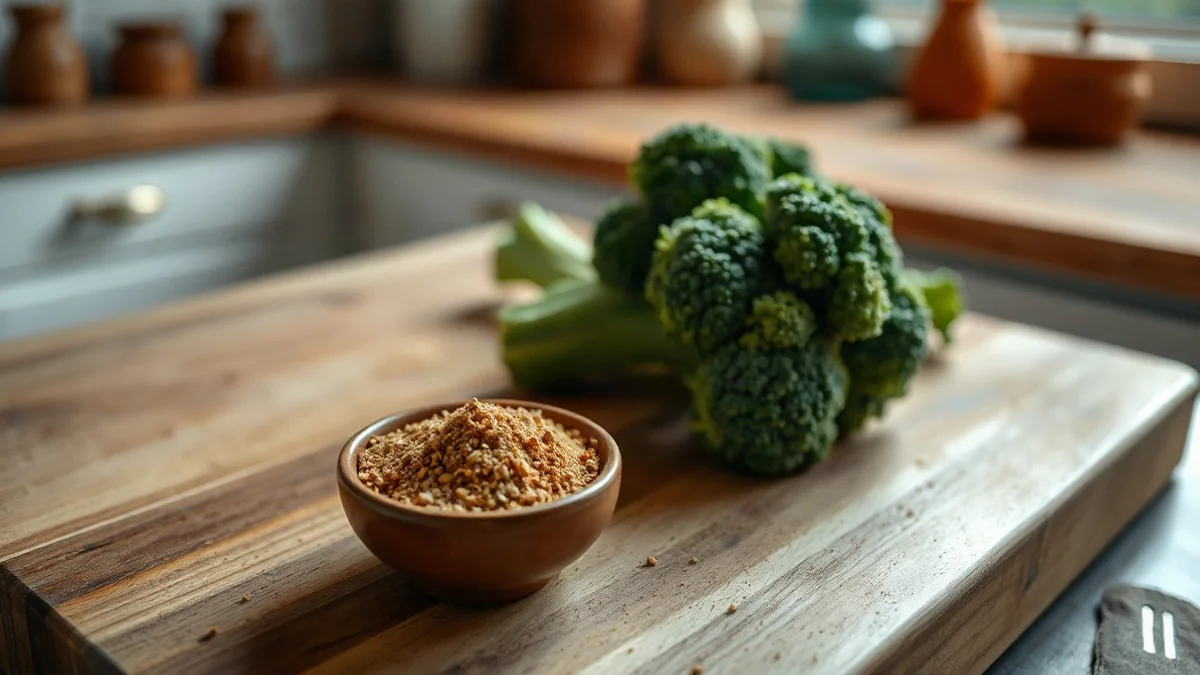
Preparing broccoli as a side dish often comes down to texture, but cooking methods drastically alter its nutritional profile. Heat and water solubility affect key components like vitamin C and glucosinolates, while sulforaphane formation depends heavily on active enzymes that are vulnerable to high temperatures.
Steaming Versus Boiling
Vitamin C is highly sensitive to heat and dissolves easily in water, meaning traditional boiling can leach or destroy significant portions of the nutrient. A comparative study of five preparation methods revealed that steaming was the sole technique tested that avoided a statistically significant loss of vitamin C. Plant compounds from the glucosinolate family also showed better retention under steaming conditions. When broccoli is added to soups, however, the nutrient-rich cooking liquid is consumed rather than discarded down the drain, preserving some transferred components.
The Role of Mustard Powder
Broccoli contains glucoraphanin, a precursor to the researched compound sulforaphane, which is converted when the enzyme myrosinase is activated through chewing or chopping. Because heat deactivates this enzyme, researchers have explored simple culinary adjustments to restore the conversion process. Brown mustard seed powder also contains myrosinase and can be sprinkled onto cooked broccoli to help convert remaining glucoraphanin.
A small clinical trial involving 12 healthy adults compared eating plain cooked broccoli to consuming it with brown mustard seed powder. Participants who added the mustard powder exhibited over four times the level of sulforaphane breakdown products in their urine. While this indicates heightened bioavailability of the compound under experimental conditions, researchers caution that it does not serve as a proven method to prevent cancer. According to the US National Cancer Institute, human studies examining cruciferous vegetable consumption and cancer risk continue to yield mixed results.