Brazil Readies for Crucial Presidential Debate Ahead of Runoff Election
Brazil's President Lula da Silva and Senator Flavio Bolsonaro prepare for their first televised debate ahead of the October 25 runoff, amid a deeply polarized race.
Brazil has entered the final stretch of a turbulent presidential election campaign as incumbent President Luiz Inacio Lula da Silva and right-wing Senator Flavio Bolsonaro prepare for their first televised debate. The showdown comes just a week before the second-round runoff scheduled for October 25, in a race that has transformed into a fierce struggle over the nation's political future.
A Tight Race and High Stakes
The closely contested election unfolds against a backdrop of deep polarization, mutual accusations, and massive mobilizations from both camps. Bolsonaro, a 45-year-old senator and son of former far-right president Jair Bolsonaro, pulled off a major surprise in the first round on October 4 by outperforming Lula, defying several pre-election polls. With polls showing a tightening race, the upcoming debate presents a crucial opportunity for both candidates to sway undecided voters and mobilize millions who sat out the first round.
Recent surveys indicate a slight edge for Bolsonaro, showing him leading with roughly 51 percent of the vote compared to Lula's 49 percent. Nevertheless, the race remains statistically deadlocked, with the outcome heavily dependent on an estimated 33 million citizens who abstained in the first round—accounting for roughly one-fifth of the electorate. As the campaign intensifies, major streets in Brazil's largest cities have transformed into rallying grounds for competing supporters.
Campaign Trails and Economic Grievances
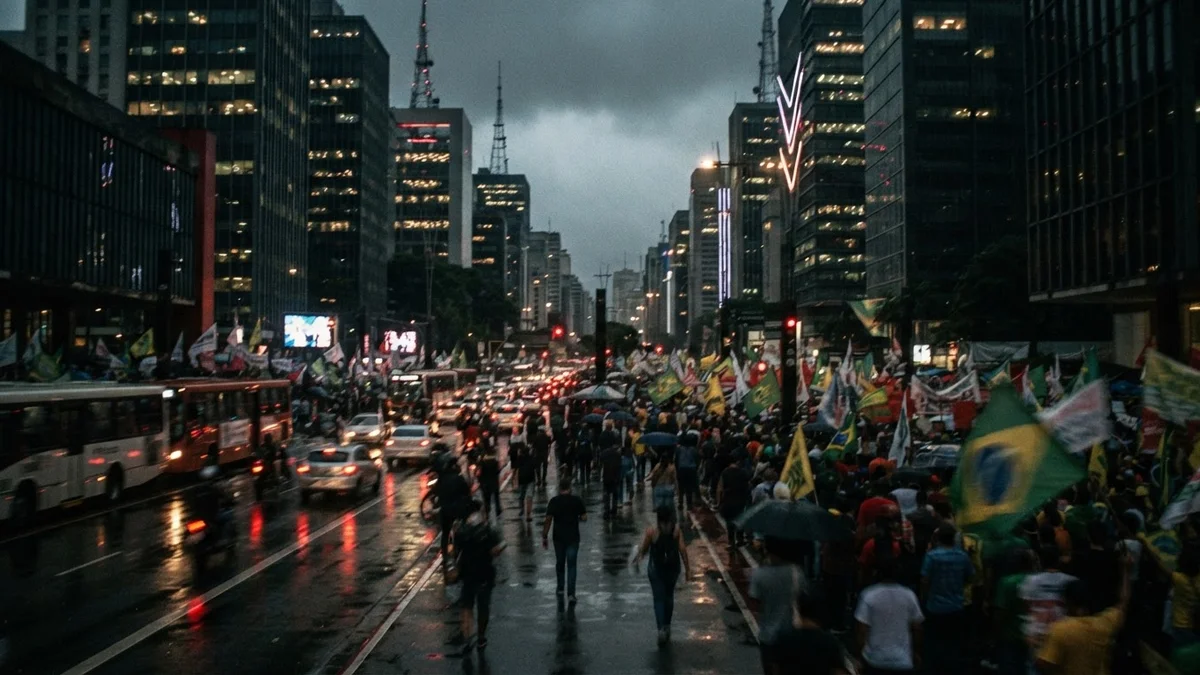
In Sao Paulo, tens of thousands of Bolsonaro supporters donned the traditional yellow and green colors of the Brazilian flag. According to monitoring data from the University of Sao Paulo, approximately 71,000 people attended the central rally along Paulista Avenue. Bolsonaro arrived atop a truck, seeking to energize the crowd with calls to end the ruling Workers' Party era. Meanwhile, supporters of President Lula took to the streets of Brasilia and Rio de Janeiro, organizing pro-democracy demonstrations and cultural events in iconic locations like Copacabana.
At 80 years old, approaching his 81st birthday, Lula is striving to recalibrate his campaign momentum and connect with younger demographics. He has enlisted leftist social media influencers and begun publishing candid selfie videos to project a more accessible image. His platform highlights economic relief measures, including debt restructuring for micro-enterprises, student scholarships, and fuel tax exemptions. However, these promises have drawn criticism from fiscal conservatives concerned about Brazil's high public debt.
Security and Social Media Controversy
Conversely, Bolsonaro has anchored his platform on a strict law-and-order agenda while pledging to secure the release of his father, Jair Bolsonaro, who is serving a 27-year prison sentence following a conviction for orchestrating a coup plot after the 2022 elections. Due to health conditions, the former president is currently serving his sentence under house arrest. Flavio Bolsonaro has dismissed his father's trial as a farce, vowing to issue a presidential pardon if elected.
The final days of the campaign have also been marred by controversy surrounding technology platforms. Lula's coalition alleged that his Instagram account and publications were restricted, following a report in the newspaper Folha de S.Paulo suggesting that Meta Platforms recommended users follow Bolsonaro's profile and WhatsApp channel. Meta attributed the issues to global technical glitches, vehemently denying any political bias and stating that any claims of favoritism are entirely false.