Brazilian Lawmakers Demand Investigation Into Israeli Tourists in Bahia
Tensions over Israeli tourists in Bahia, Brazil, have sparked a national political debate, leading left-wing lawmakers to demand investigations while local officials and business owners rally to protect the vital tourism sector.
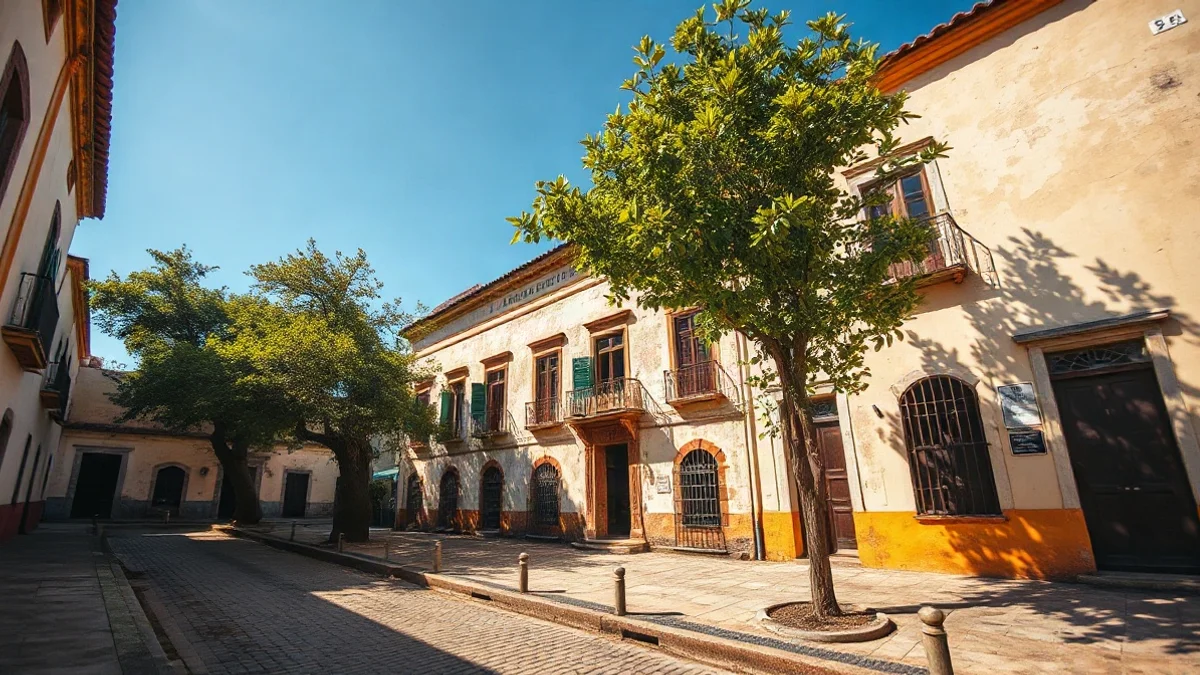
A dispute over the presence of Israeli backpackers in the coastal town of Itacaré, in the northeastern Brazilian state of Bahia, has escalated into a national political controversy following a series of local frictions, protests, and complaints. Fourteen federal lawmakers from the left-wing PSOL party submitted an official petition to the Ministries of Foreign Affairs, Justice, and Tourism, as well as the Bahia Public Security Secretariat, demanding an immediate investigation, preventive measures, and guarantees for local residents.
The political pressure was sparked by a chain of events that drew widespread media attention in late October. The core tensions in Itacaré began when the South Bahia Palestinian Front painted pro-Palestinian graffiti on the historic Casarão Azul mansion in the main square, a building rented out days prior to a group of Israeli tourists. Local activist Maria Veiga stated that the original plan was to paint a watermelon with the property owner's permission, but other activists added a controversial political slogan. Hours later, Israeli tourists attempted to remove the paintings, leading to a vocal confrontation in the square.
Simultaneously, in the regional capital of Salvador, a local journalist, Carolina Carvalho, filed a harassment complaint with the specialized women's police station. She claimed that two Israeli tourists approached her on the street, asked invasive questions, and hurled derogatory remarks when she attempted to walk away. Police confirmed they are reviewing surveillance footage and gathering testimonies to investigate the incident.
In response to the growing tensions, Bahia Governor Jerônimo Rodrigues traveled to Itacaré at the head of a governmental delegation to hold emergency talks with Mayor Nego de Saronga and local authorities. During his visit, the governor criticized online pages for spreading unverified reports and fueling hostility against Israeli tourists, warning that such campaigns damage the region's tourism industry. Meanwhile, local business owners, hoteliers, and tour operators staged a public rally in support of Israeli visitors, emphasizing their vital economic contribution and rejecting claims that the town is hostile to foreign tourists.