How to Avoid Mass Cruise Traps and Enjoy a Boutique Maritime Holiday
Expert cruise advice reveals how to avoid massive crowds, industrial ports, and hidden fees by choosing boutique ships, prioritizing itineraries, and planning relaxed arrivals.
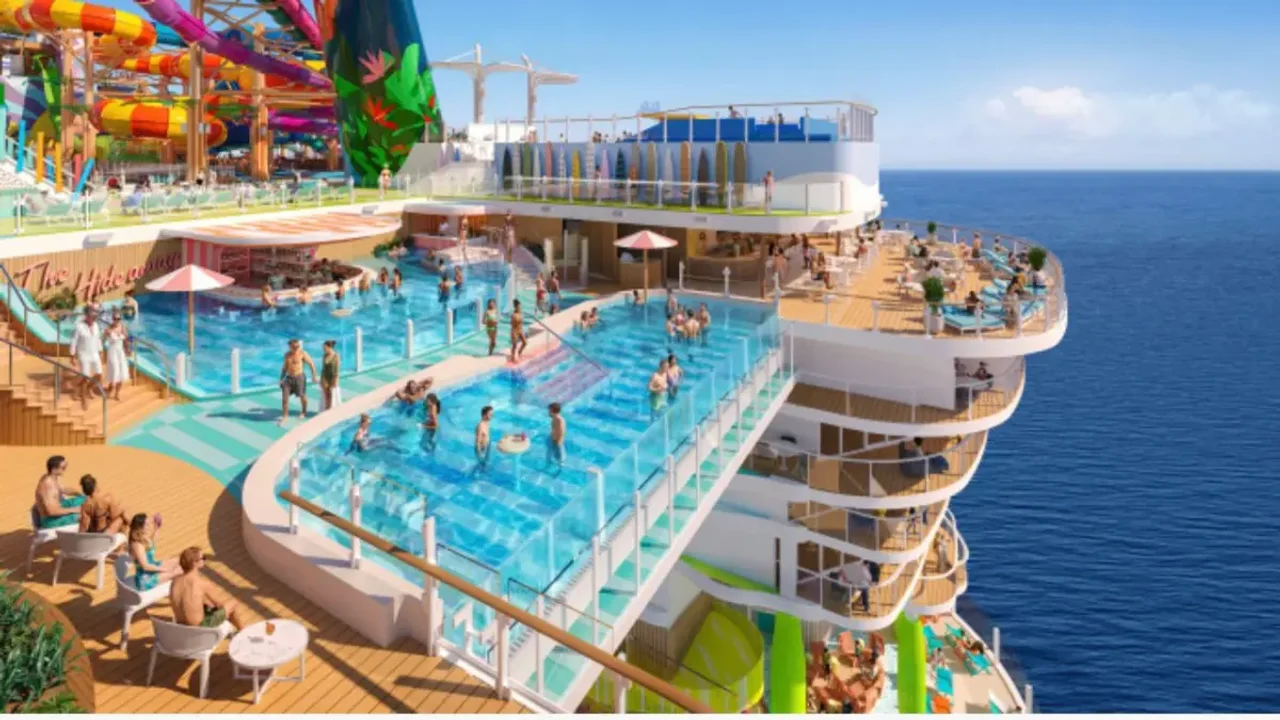
Cruise vacations are often marketed as the ultimate stress-free getaway: unpack your suitcase once, send the kids to the water slides, and enjoy endless dining options. However, for travelers seeking depth, tranquility, and authentic cultural experiences, boarding a massive vessel with 6,000 passengers can feel less like a dream holiday and more like a loud, crowded floating shopping mall.
Behind the deck cocktails lies a complex industry where it is easy to fall into expensive tourist traps, rushed itineraries, and flawed assumptions. Veteran cruise journalist Gary Bembridge, host of the travel channel Tips For Travellers who has completed over 130 sailings, notes that even experienced passengers make mistakes due to overconfidence, emphasizing that the golden rule is to verify everything as if it is your first time at sea.
The Mega-Ship Fascination Versus Boutique Advantages
The instinct of many travelers is to book the newest and largest ship, assuming more attractions equal a better vacation. In reality, these sea monsters often mean endless queues, battles for sunbeds, and crowded elevators that destroy any sense of peace. Bembridge warns that cruise lines are changing procedures at a dizzying pace. Travelers seeking a true boutique experience should focus on premium lines where the space-to-passenger ratio ensures quiet, refined design, authentic chef-driven restaurants, and personal service without the commotion.
The Industrial Port Trap Versus City-Center Docking
When major cruise lines advertise glamorous destinations like Rome or Paris, they frequently omit the fact that the ship actually docks at an industrial port hours away from the real city. Mega-ships cannot maneuver into smaller harbors, forcing passengers to waste whole days on tedious train or bus rides. Bembridge explains how blind brand loyalty once caused him to miss magnificent destinations; today, he chooses the itinerary first and the ship second. Small boutique vessels can dock directly in the heart of cities or picturesque Greek island ports, allowing travelers to step right off the gangway into local cafes and historic alleys.
The Checklist Race Versus Slow Local Exploration
Squeezing as much as possible into a few hours on shore often leads travelers to buy organized ship excursions, which frequently turn into exhausting marches behind a raised umbrella through tourist traps. Bembridge shares that his most unforgettable days were born from a willingness to see less in order to experience more. Many premium ships remain in ports until late evening or offer overnight dockage, enabling passengers to dine at authentic local restaurants, enjoy nightlife, and absorb the atmosphere without the pressure of rushing back before the departure horn sounds.
Onboard Expenses and Wi-Fi Versus Transparent Packages and eSIM
On mass-market ships, the initial ticket price is merely the opening salvo for a sophisticated financial drain based on psychological detachment using room cards. Drink packages require consuming multiple cocktails daily just to break even, while satellite internet packages are sold at exorbitant rates. Bembridge points out that leveraging loyalty tiers across sister companies yields equal credits and drink coupons, eliminating the need for expensive packages. For travelers who need to stay connected, the smart economic solution is purchasing a broad international eSIM: disconnecting from expensive mid-sea browsing at night and automatically connecting to fast local networks in every port. Furthermore, on many boutique vessels, internet, tips, and quality wines are already included in the ticket price.
Embarkation Day Gambling Versus Relaxed Departures
One of the most common and dangerous mistakes is flying to the port city on the very morning of departure to save on a hotel night. In an era of flight disruptions, unexpected delays, and airport congestion, this gamble can end in watching the ship sail away without you, as cruises never wait for late passengers. The tourism expert stresses that a proper approach requires eliminating this pressure by following the "24-hour rule": landing in the origin city at least one day in advance, sleeping in a charming boutique hotel downtown, and enjoying a leisurely start to the trip.