Common Household Chemicals May Increase Breast Cancer Risk, Study Suggests
A joint study by Tufts and Boston universities reveals that daily exposure to common bisphenol mixtures can induce molecular changes in human breast tissue, potentially increasing breast cancer vulnerability.
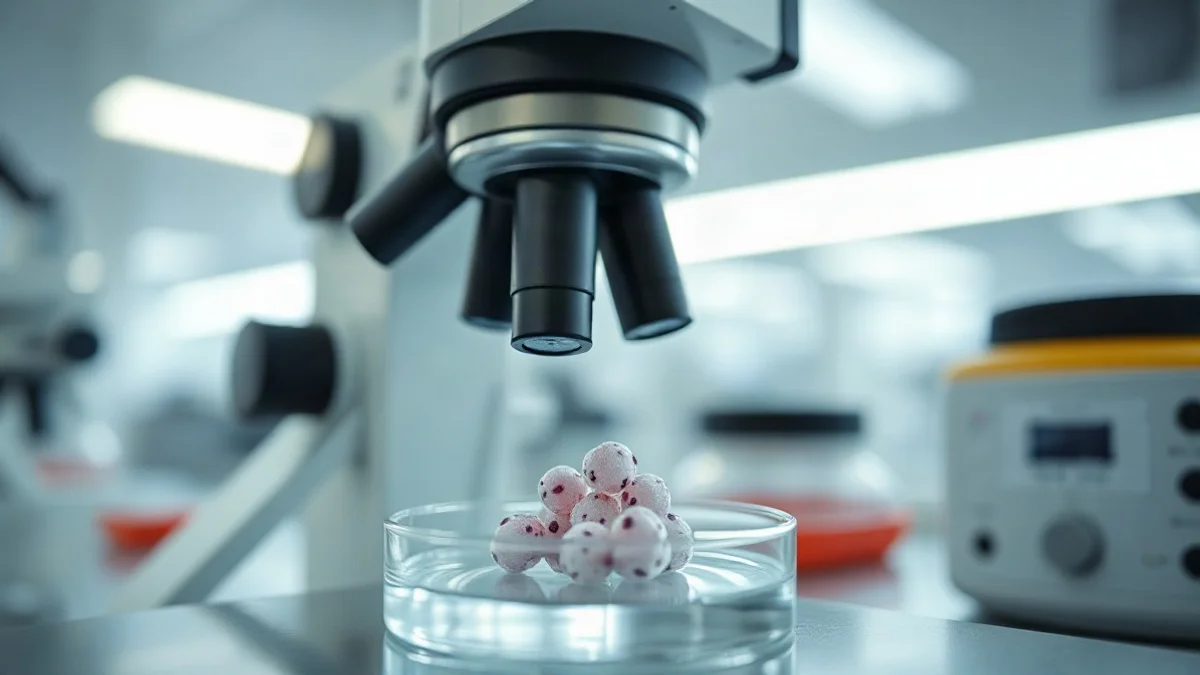
A new study conducted by Tufts University and Boston University raises concerns that daily exposure to common chemicals may alter the development of human breast tissue. The findings, published in the journal PNAS, indicate that exposure to certain substances, particularly a mixture of bisphenols such as BPA, can induce molecular changes in the tissue that may increase susceptibility to breast diseases, including cancer, later in life.
Stronger Effects from Chemical Mixtures
To examine this impact, researchers utilized advanced three-dimensional models (organoids) grown from breast tissues donated by 13 young, healthy women. During development, these models were exposed to various chemicals. The most alarming finding involved three common bisphenols: BPA, BPS, and BPF. While each chemical individually caused minor changes, their mixture at low concentrations—comparable to levels found in the human body—significantly disrupted tissue development.
Researchers compared the molecular alterations caused by the bisphenol mixture with molecular data from human breast cancer tumors. They discovered a particularly strong correlation with invasive lobular carcinoma, a type of breast cancer that is difficult to detect via mammography because it does not always form a palpable lump. The authors emphasize that the study does not prove the chemicals directly cause cancer, but rather highlights a potential link and opens a new direction for research.
Rethinking Prevention Strategies
These research findings offer a fresh perspective on cancer prevention. Until now, risk has been evaluated primarily through hereditary factors, lifestyle choices, and exposure to agents that directly damage DNA. This study raises the possibility that environmental exposures can subtly alter tissue development, leaving molecular changes that may influence tissue susceptibility to disease years after exposure.
According to the researchers, if further studies confirm that these changes persist in human breast tissue, they could potentially serve as biomarkers to help identify women at elevated risk for breast cancer and tailor targeted medical monitoring. However, at this stage, it has not been proven that the chemicals cause cancer, and additional research is required to determine whether the changes observed in laboratory models are definitively linked to the development of the disease in humans.