Inside the 35 Million Shekel Production Budget of Big Brother on Reshet 13
Producing a full season of the hit reality show Big Brother on Reshet 13 costs between 25 and 35 million shekels, encompassing extensive technical infrastructure, a large crew, and high talent salaries under new owner Assaf Rappaport.

Big Brother remains a towering fixture in Israeli television, captivating audiences and driving massive viewership across the country. Following the conclusion of its previous successful season in June, which culminated in Gal Rubin taking home the grand victory, preparations for the upcoming installment are already underway under the leadership of Reshet 13's new owner, Assaf Rappaport. Keeping an entire nation glued to their screens for months requires staggering financial commitment behind the scenes, raising questions about the true cost of producing such a television juggernaut.
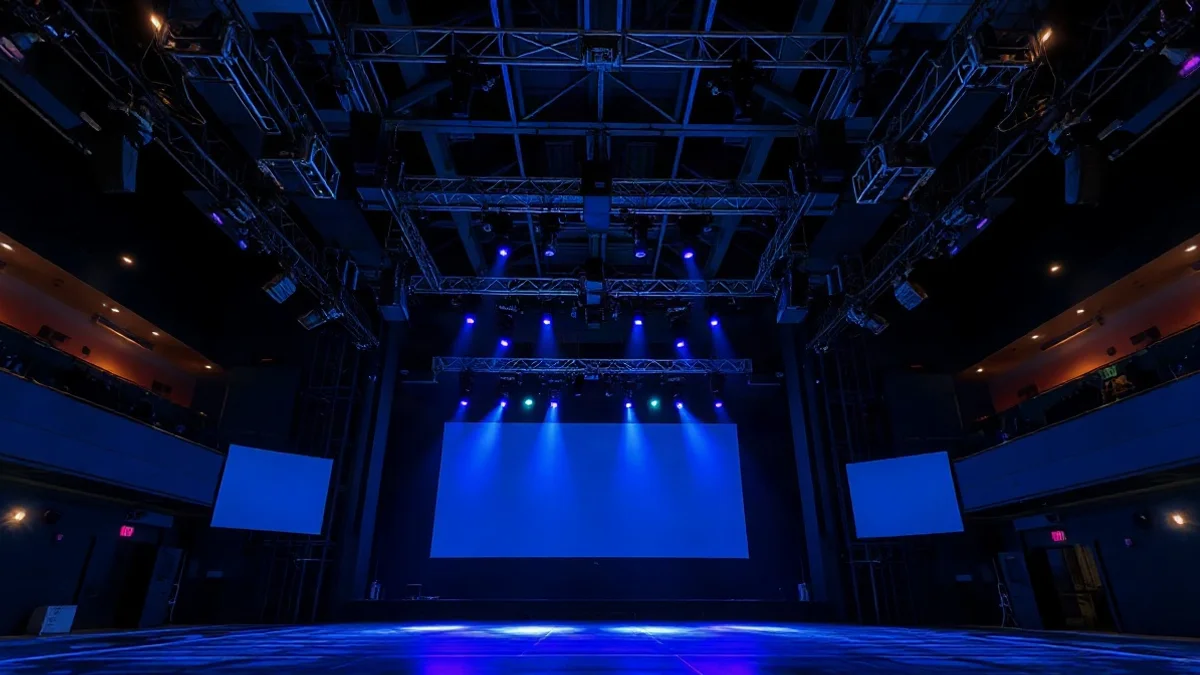
Industry estimates place the total production cost for a full season of Big Brother between 25 million and 35 million shekels, varying by season length and cast composition. A significant portion of this budget goes toward maintaining and redesigning the famous compound in Neve Ilan, which undergoes extensive renovations before every launch. Operating dozens of robotic cameras, hidden microphones, and advanced control rooms to sustain around-the-clock live broadcasting on Channel 26 and digital platforms demands immense technical and financial resources.
Behind the Scenes and Operational Costs
Beyond physical infrastructure, the massive budget sustains a round-the-clock workforce over a three-to-four-month period. More than 150 professionals are employed on site, including content editors, directors, camera operators, sound engineers, security personnel, and dedicated psychologists supporting the contestants. Furthermore, complex weekly tasks involving massive custom sets, specialized props, and visual effects easily run into hundreds of thousands of shekels per challenge.
Additional major expenses include talent salaries for hosts Liron Weizman and Guy Zu-Aretz, participant compensation—which climbs significantly during VIP editions—and the final cash prize of one million shekels before taxes for the ultimate winner. Broadcast networks recoup these heavy outlays through prime-time commercial advertising, integrated brand partnerships within weekly tasks, and subscription revenues from the live broadcast feeds.
As a new group of contestants prepares to enter the country's most scrutinized house, Big Brother proves to be much more than a cultural phenomenon. It stands as one of the most complex and expensive economic gambles in Israeli broadcasting, demonstrating that running a nation-captivating reality format requires tens of millions of shekels in behind-the-scenes investment.