No Evidence Found of Fuel Card Distribution During Bedouin Vote
Checks by fuel companies and election authorities show no evidence of abnormal fuel card distribution during the 26th Knesset elections, even as a police investigation into alleged vote-buying continues.
Allegations circulating on social media regarding the distribution of fuel cards to encourage voter turnout in the Bedouin community during the 26th Knesset elections have found no backing in official data. Checks conducted with major fuel companies, including Delek Israel, revealed no abnormal spikes in fueling volumes nationwide or in the Negev region. Furthermore, investigators noted that several card types depicted in viral images are no longer sold, making it impossible to acquire new ones ahead of the vote.
The Central Election Committee reported receiving no complaints on election day regarding irregular transportation networks or related incidents within the Bedouin sector. Police similarly confirmed no unusual reports concerning fuel cards in the southern district, though authorities emphasized that a lack of anomalies in fuel data does not entirely rule out private or limited-scale card distribution.
Meanwhile, a broader police investigation into suspected vote-buying in favor of the Ra'am party is currently underway. The probe, which recently shifted to the Lahav 433 national fraud unit, led to the arrest of several additional suspects, including school principals in the southern region. While searches yielded tens of thousands of shekels in cash and lists, investigators have yet to establish a direct, concrete link between the bribery case and the viral fuel card allegations.
Transportation initiatives and logistical assistance have long been a fixture of Israeli elections, utilized across various political factions. From Likud's past 'Munikud' project to extensive get-out-the-vote operations by ultra-Orthodox parties, organizing rides for voters is a standard practice. A distinction is drawn between legitimate logistical support to help citizens reach polling stations and illicit compensation aimed at influencing vote choice.
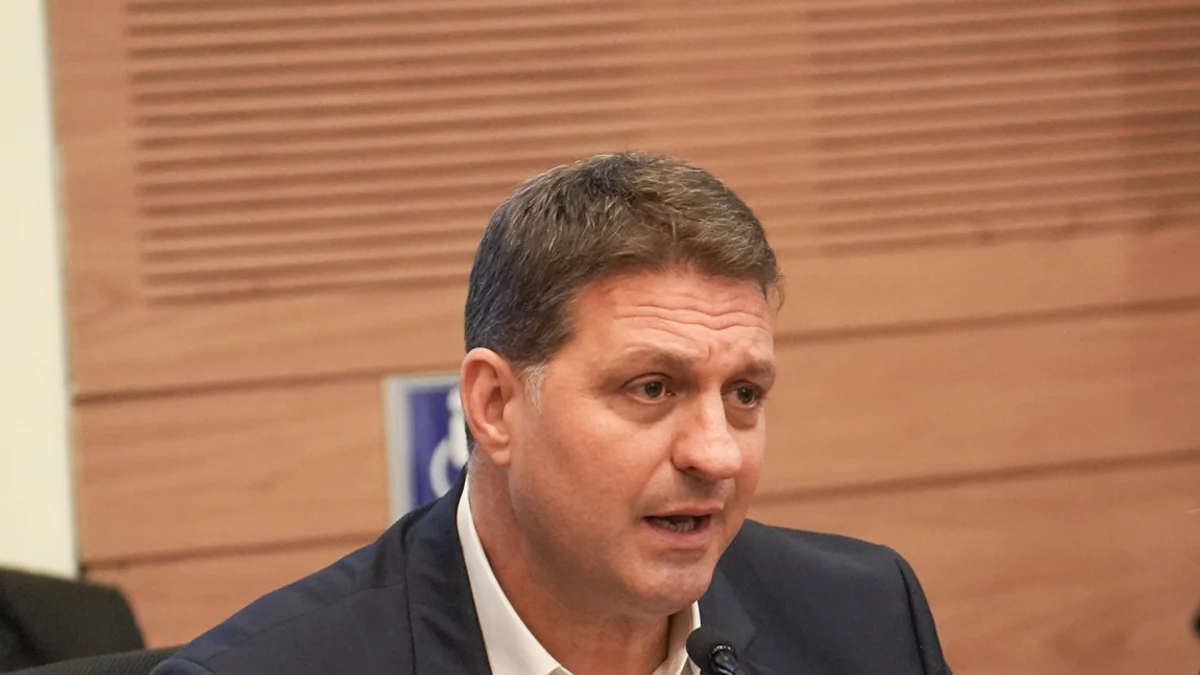
Rahat Mayor Talal Al-Krenawi strongly dismissed claims linking high Bedouin turnout to electoral irregularities, denouncing what he termed a smear campaign against the community. Al-Krenawi noted that long queues at polling stations reflected genuine civic engagement, though he acknowledged that in past election cycles, nominal fuel vouchers were sometimes provided to help remote families cover travel costs to distant polling sites lacking public transportation.