Planning Committees Approve Major Urban Renewal Projects in Bat Yam and Jerusalem
Planning authorities have approved major urban renewal projects in Bat Yam and Jerusalem, advancing roughly 2,400 housing units, commercial spaces, and transit-oriented infrastructure.
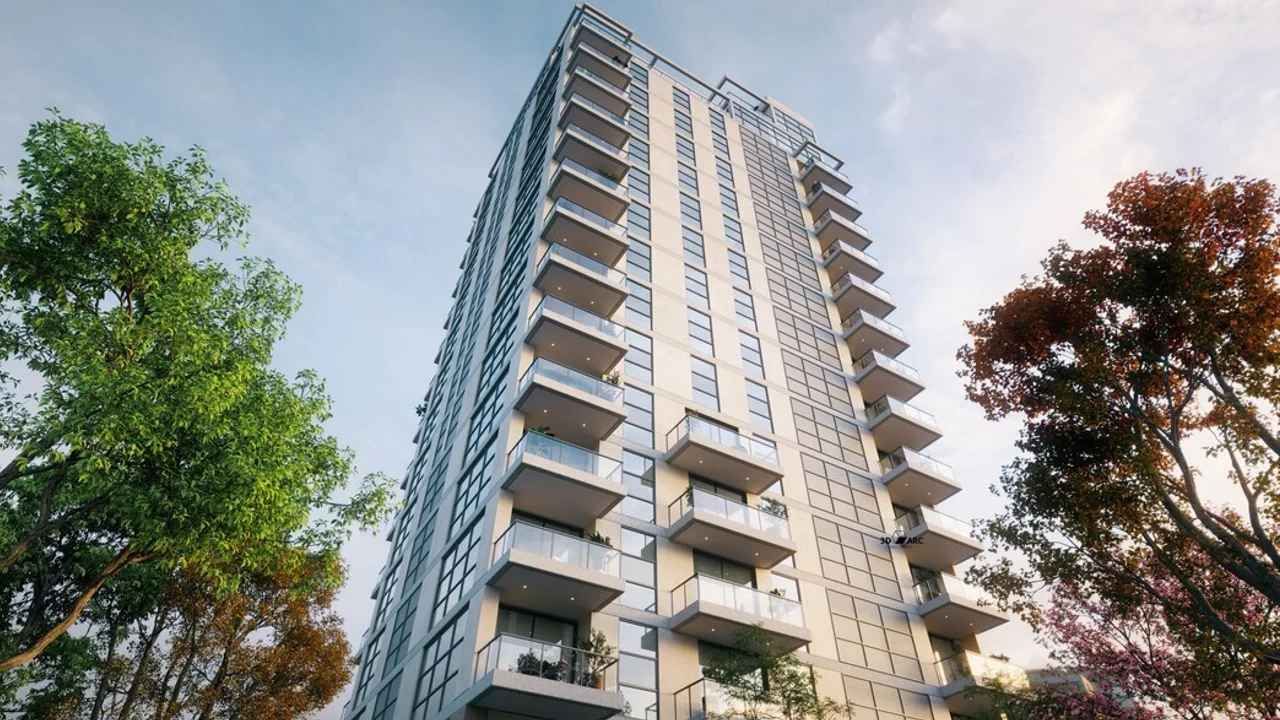
Planning authorities have greenlit a wave of major urban renewal projects in Bat Yam and Jerusalem, setting the stage for the construction and planning of approximately 2,400 new housing units. The initiatives aim to transform aging industrial and residential zones into vibrant, mixed-use urban centers integrated with mass transit corridors.
Bat Yam: Transforming Industrial and Aging Quarters
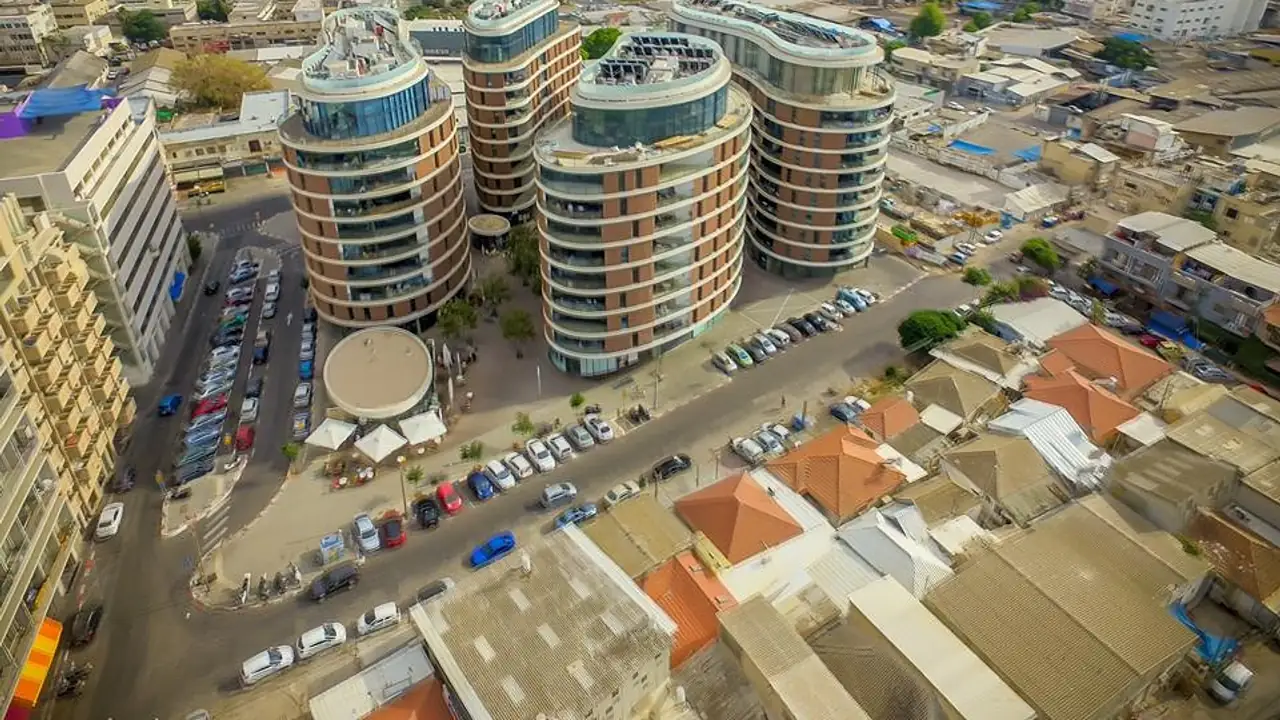
The Tel Aviv District Planning and Building Committee has validated three significant plans in Bat Yam encompassing 576 residential units, commercial and employment spaces, public buildings, and upgraded public areas near the Tel Aviv Light Rail Red Line and future Metro routes. At the HaSolelim 7 site, currently home to the Gad Dairy plant in the city's business district, planners approved a 33-story mixed-use tower reaching 130 meters. Submitted by Tavori Assets and designed by Yashar Architects, the project will feature 105 residential units, 17,000 square meters of commercial and employment space, and 1,800 square meters of public facilities alongside a new municipal road.
Additional projects in Bat Yam include the Yoseftel-HaRav Kokis complex, where 171 apartments will replace 57 aging residential units and a substandard kindergarten. Submitted by the Bat Yam municipality and Israel Canada, the development features a 30-story tower, a 10-story public building, and the widening of HaRav Kokis Street. Furthermore, the Yoseftel-Mivtza Sinai consolidation and partition plan completes an approved evacuation-construction project by adding 300 units in a mixed-use complex up to 43 floors, championed by Kim Lustigman and Kardan Real Estate to enhance pedestrian continuity along Yoseftel Boulevard.
Acting Tel Aviv District Committee Chair Shira Talmi-Babai emphasized that these approvals reflect a dedication to strengthening Bat Yam and upgrading residents' living standards through advanced architectural design and mixed-use environments. Tel Aviv District Planner Erez Ben Eliezer added that Bat Yam is capitalizing on its proximity to high-capacity transit systems by converting legacy industrial zones into sustainable, pedestrian-friendly urban hubs.
Jerusalem: Advancing Six Renewal Schemes
Concurrently, the Jerusalem District Planning and Building Committee has advanced six urban renewal plans providing roughly 1,800 new housing units across the capital. These schemes feature 340 small apartments, 100 long-term rental units, commercial and employment spaces, public squares, open areas, and dedicated maintenance funds for high-rise towers in neighborhoods including Beit HaKerem, Ramat Eshkol, Armon HaNetziv, Pat, Kiryat Menachem, and Rasco.
In Beit HaKerem, a project at 74-76 Herzl Boulevard and 7 Dagania Street will replace three aging residential blocks with 120 units across 10 and 14-story buildings featuring active commercial fronts. In Ramat Eshkol, a 7-dunam site on Sheshet HaYamim Street and Levi Eshkol Boulevard will yield 350 units in seven buildings ranging from 9 to 16 stories, superseding 60 older apartments. Meanwhile, in Armon HaNetziv, a plan at Avshalom Haviv Street introduces 366 units across two 34-story towers and a 10-story building, incorporating a public elevator to bridge topographic height differences.
The Pat neighborhood scheme along Dov Yosef Boulevard includes 240 standard apartments and 100 long-term rental units spanning 20 years, housed in 27 and 36-story towers. In Kiryat Menachem, a plan on Mexico Street was officially approved to build 382 baseline units alongside 31 contingent upon a maintenance fund, replacing four older housing blocks. Finally, following a court ruling regarding a previous challenge, the Rasco project at 68 Tchernichovsky and 39 Shimony streets was revised to reduce its tallest building from 22 to 18 stories, delivering 278 units alongside community and commercial spaces.
Jerusalem District Planner Architect Dan Keinan stated that the ongoing urban renewal momentum prioritizes city revitalization while safeguarding open spaces. "The approved plans enhance the quality of life in the capital through protected spaces, elevators, and parking, alongside public amenities such as squares, expanded sidewalks, escalators, daycare facilities, and cultural venues," Keinan noted.